

Key Highlights
- Recent diplomatic exchanges between China and North Korea aim to reinforce ties.
- The evolving geopolitical landscape in East Asia is under close scrutiny.
- China remains North Korea's primary economic partner, influencing regional stability.
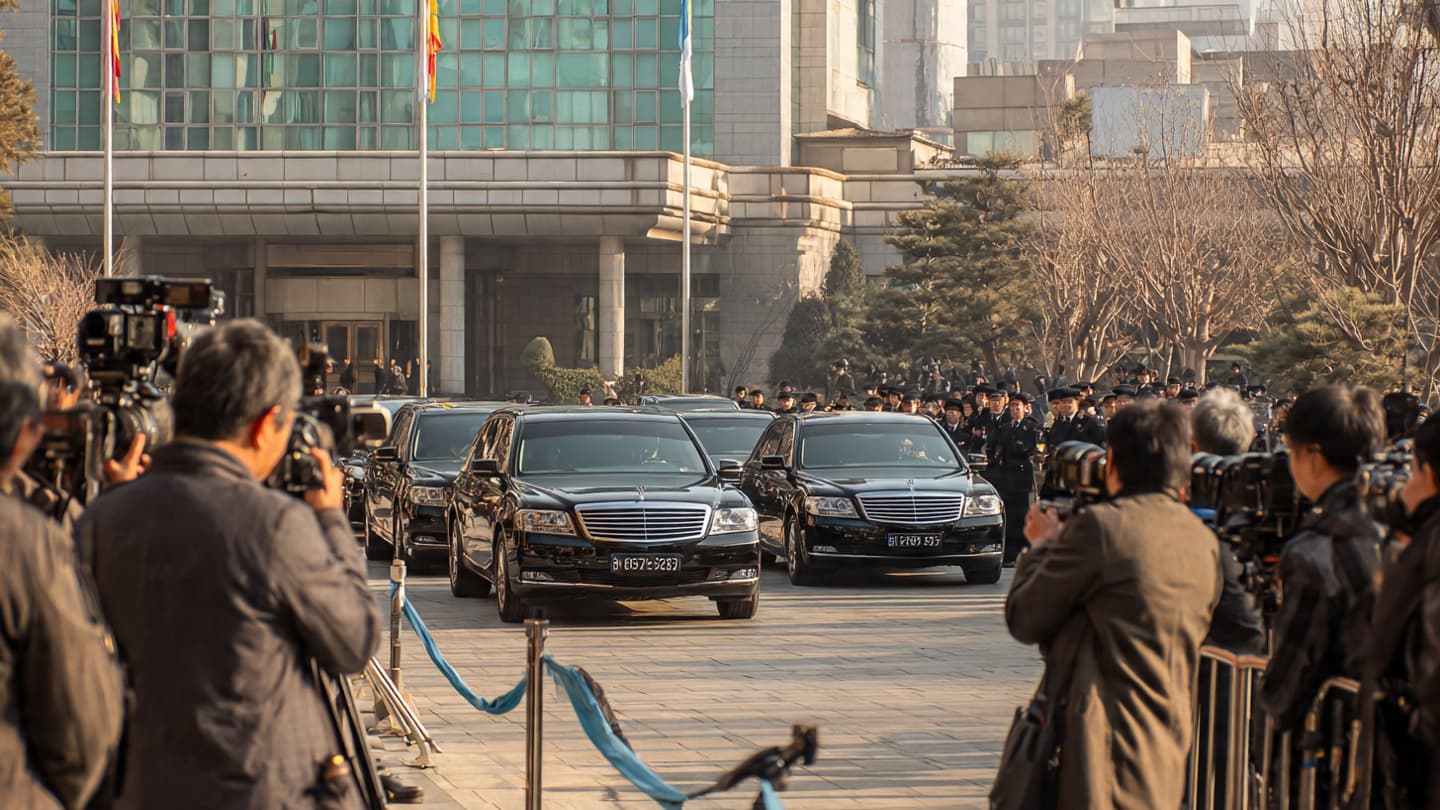
China and North Korea have recently engaged in high-level diplomatic exchanges, signaling a concerted effort to reinforce their longstanding relationship. This renewed cooperation comes at a critical juncture as geopolitical dynamics in East Asia continue to shift, prompting regional governments to closely monitor developments. The interactions between these two nations highlight the importance of maintaining stable communication channels amid changing circumstances.
The historical foundations of the China-North Korea relationship are deeply rooted in shared political interests and geographic proximity. Over the years, cooperation has been influenced by various factors, including regional security considerations and economic interdependence. Recent meetings between officials from both countries underscore a mutual desire to strengthen ties and coordinate policy positions in response to evolving challenges.
Observers note that high-level visits serve multiple purposes, from reinforcing political relationships to signaling priorities to international audiences. These diplomatic engagements are crucial in shaping the broader environment for future negotiations, particularly concerning security issues on the Korean Peninsula. While the specific outcomes of these interactions remain uncertain, they are likely to influence discussions surrounding regional stability and cooperation.
China's role as North Korea's most significant economic partner cannot be overstated. Trade and cross-border interactions have played a vital role in supporting North Korea's economy, especially during periods of international sanctions and diplomatic pressures. As both nations navigate their relationship, the economic ties between them will continue to be a focal point in their diplomatic engagements.
The implications of strengthened ties between China and North Korea extend beyond their bilateral relationship. Neighboring countries and international organizations are closely observing these developments, assessing how changing dynamics among major actors could impact regional stability and strategic planning. The interconnected nature of diplomacy, economics, and security in East Asia means that any shifts in relationships can have far-reaching consequences.
Experts caution against viewing any single diplomatic event in isolation. International relations are shaped by a complex interplay of historical experiences, national interests, and evolving regional circumstances. Each meeting between China and North Korea is part of a larger, ongoing process that reflects the intricacies of global diplomacy.
As East Asia continues to navigate an increasingly interconnected geopolitical landscape, the strengthened ties between China and North Korea represent a significant element in a region where diplomacy, economics, and security remain closely linked. The future of these relationships will undoubtedly play a crucial role in shaping the region's stability and cooperation in the years to come.
Published by Banx Network. This article is part of the Banx decentralized media programme, powered by the BXE token on the XRP Ledger.




