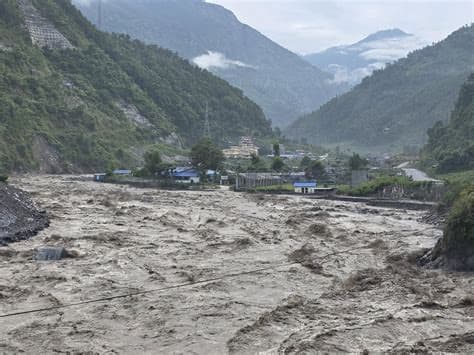
The Middle East has often resembled a landscape where old rivers continue to shape new paths. Even when seasons change and diplomatic efforts emerge, long-standing alliances and rivalries remain influential currents beneath the surface. Recent statements from Iran regarding its support for Hezbollah have once again drawn international attention to a region where political developments rarely occur in isolation.
Iranian officials reaffirmed their backing for Hezbollah amid ongoing uncertainty surrounding regional security and diplomatic initiatives. The declaration comes at a time when governments across the Middle East and beyond continue searching for ways to reduce tensions that have affected multiple countries over recent years.
For many observers, such statements are significant not only because of their immediate political implications but also because they reflect the enduring relationships that influence regional dynamics. Hezbollah has remained one of the most prominent non-state actors in the region, and Iran has long viewed the group as an important strategic partner.
The broader geopolitical environment remains complex. Ongoing conflicts, humanitarian concerns, and competing security priorities have created a situation in which even carefully planned diplomatic efforts face considerable challenges. Regional leaders continue to navigate these realities while balancing domestic and international expectations.
International stakeholders have repeatedly emphasized the importance of dialogue and de-escalation. Various governments and organizations have expressed concerns that heightened tensions could complicate ongoing peace efforts and potentially affect stability beyond the immediate region.
At the same time, diplomatic channels remain active. Meetings between regional representatives and international mediators continue to explore opportunities for confidence-building measures and conflict prevention. While progress has often been gradual, many policymakers maintain that sustained engagement remains essential.
Economic considerations also play a role in the broader picture. Markets frequently react to developments in the Middle East, particularly when geopolitical uncertainty raises questions about energy supplies and international trade routes. Investors and analysts continue to monitor the situation closely.
For local populations, the stakes extend beyond political calculations. Communities across the region remain focused on security, economic opportunities, and the hope that future developments may contribute to greater stability after years of uncertainty.
As diplomatic discussions continue, Iran's latest statement serves as a reminder that historical alliances remain an important factor in regional affairs. The coming months are likely to reveal how governments and international partners respond to the evolving landscape while pursuing efforts aimed at reducing tensions and promoting stability.
AI Image Disclaimer: The accompanying images for this article are AI-generated visual illustrations created to support understanding of the topic.
Sources: Reuters, Associated Press, Al Jazeera, BBC News
Published by Banx Network. This article is part of the Banx decentralized media programme, powered by the BXE token on the XRP Ledger.