
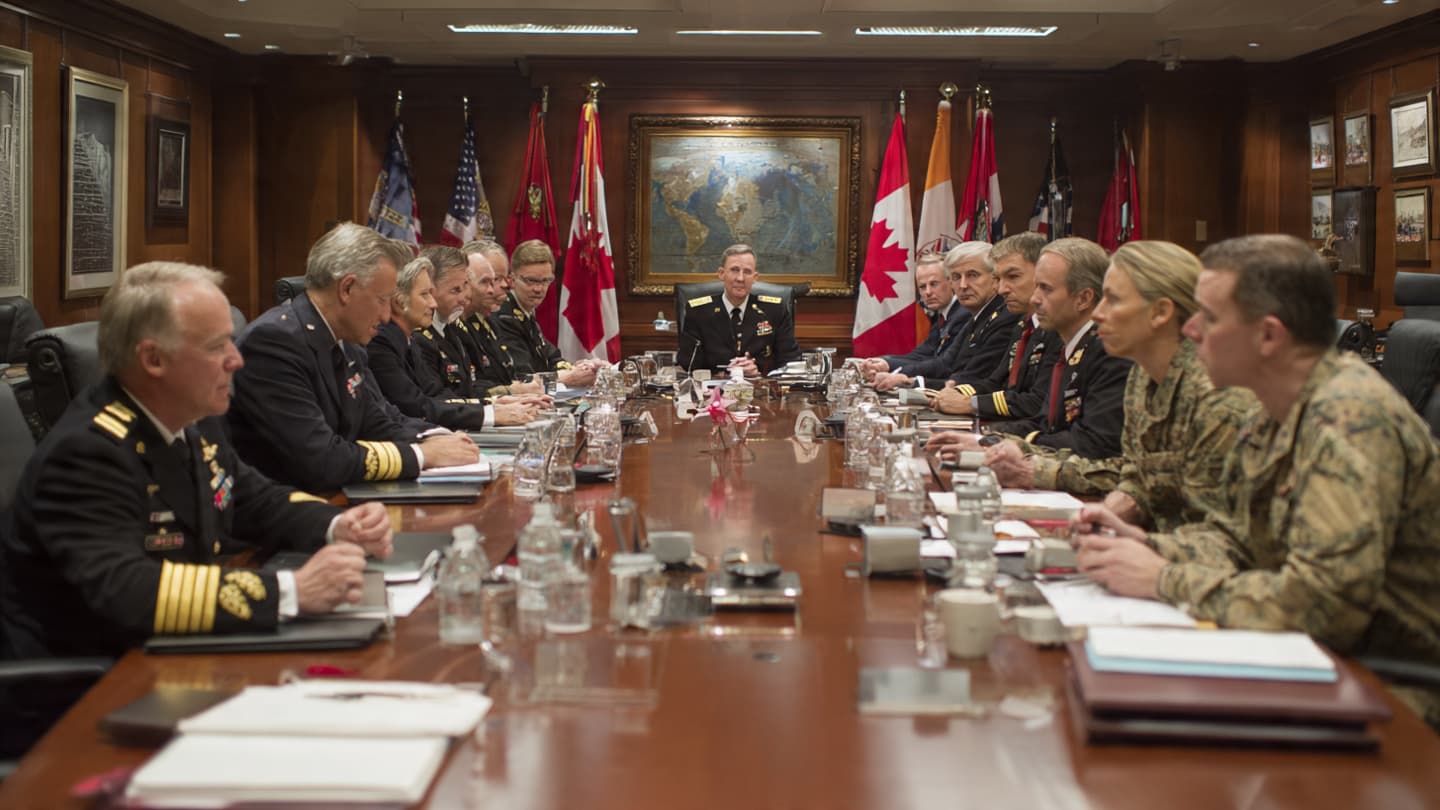
Key Highlights
- U.S. suspends parts of defense agreement with Canada, raising concerns.
- The cooperation program dates back to post-World War II.
- Analysts emphasize the importance of maintaining dialogue amid tensions.
The relationship between the United States and Canada has long been characterized by stability and predictability, largely due to geographic proximity, robust trade ties, and a strong military partnership. However, recent developments have introduced a layer of uncertainty into this historically solid alliance. This week, the U.S. government announced the suspension of certain elements of a joint defense arrangement with Canada, a move that has raised eyebrows and sparked discussions about the future of bilateral relations.
The defense cooperation program, which has its roots in the post-World War II era, has evolved over the decades to include shared military exercises, intelligence sharing, and joint operational frameworks. These elements have become integral to the security strategies of both nations, reinforcing their commitment to mutual defense and regional stability.
American officials have framed the suspension as part of a broader policy review aimed at aligning defense strategies with current operational needs. They emphasize that this is not indicative of a complete breakdown in relations but rather a necessary adjustment in response to shifting strategic priorities. Meanwhile, Canadian officials have responded with caution, highlighting the importance of ongoing dialogue and the long-term nature of their partnership with the U.S.
The implications of this suspension extend beyond the immediate bilateral relationship. Analysts point out that even temporary disruptions in defense cooperation between close allies can attract significant international scrutiny. The U.S. and Canada are key partners in organizations such as NATO and the North American Aerospace Defense Command (NORAD), making any changes to their defense policies noteworthy on a global scale.
This announcement comes at a time when global security dynamics are rapidly evolving. Western nations are reassessing their defense strategies in light of various challenges, including conflicts in Europe, technological advancements, cybersecurity threats, and shifting geopolitical alliances. As a result, military cooperation agreements are increasingly influenced by both traditional defense concerns and emerging strategic priorities.
Political observers in both countries are keenly aware of the need to manage this situation delicately to avoid escalating diplomatic tensions. Officials have reiterated that despite the temporary disagreement over defense policy, economic ties, border coordination, and broader political cooperation remain strong. This careful framing aims to reassure both domestic and international audiences that the foundational aspects of the U.S.-Canada relationship are intact.
Public sentiment regarding the suspension has been relatively measured thus far. However, some commentators have voiced concerns about the potential long-term implications for regional coordination. North American defense systems are heavily reliant on shared infrastructure, intelligence networks, and the operational trust that has been built over many years of collaboration.
Historians note that even the closest alliances can experience policy disagreements without undermining their overall stability. The U.S.-Canada relationship has weathered various challenges, including trade disputes and political differences, while maintaining a broad institutional framework that supports cooperation.
As discussions continue between officials in Washington and Ottawa, the current situation underscores how modern alliances must navigate changing global conditions. For the time being, both governments appear committed to managing this disagreement carefully, ensuring that the broader partnership that has shaped North American security for generations remains intact.
Published by Banx Network. This article is part of the Banx decentralized media programme, powered by the BXE token on the XRP Ledger.



