
Key Highlights
- Recent incidents in the Persian Gulf have heightened tensions affecting commercial shipping routes.
- The Strait of Hormuz is a critical maritime corridor for global oil exports.
- International responses emphasize the importance of maintaining freedom of navigation.
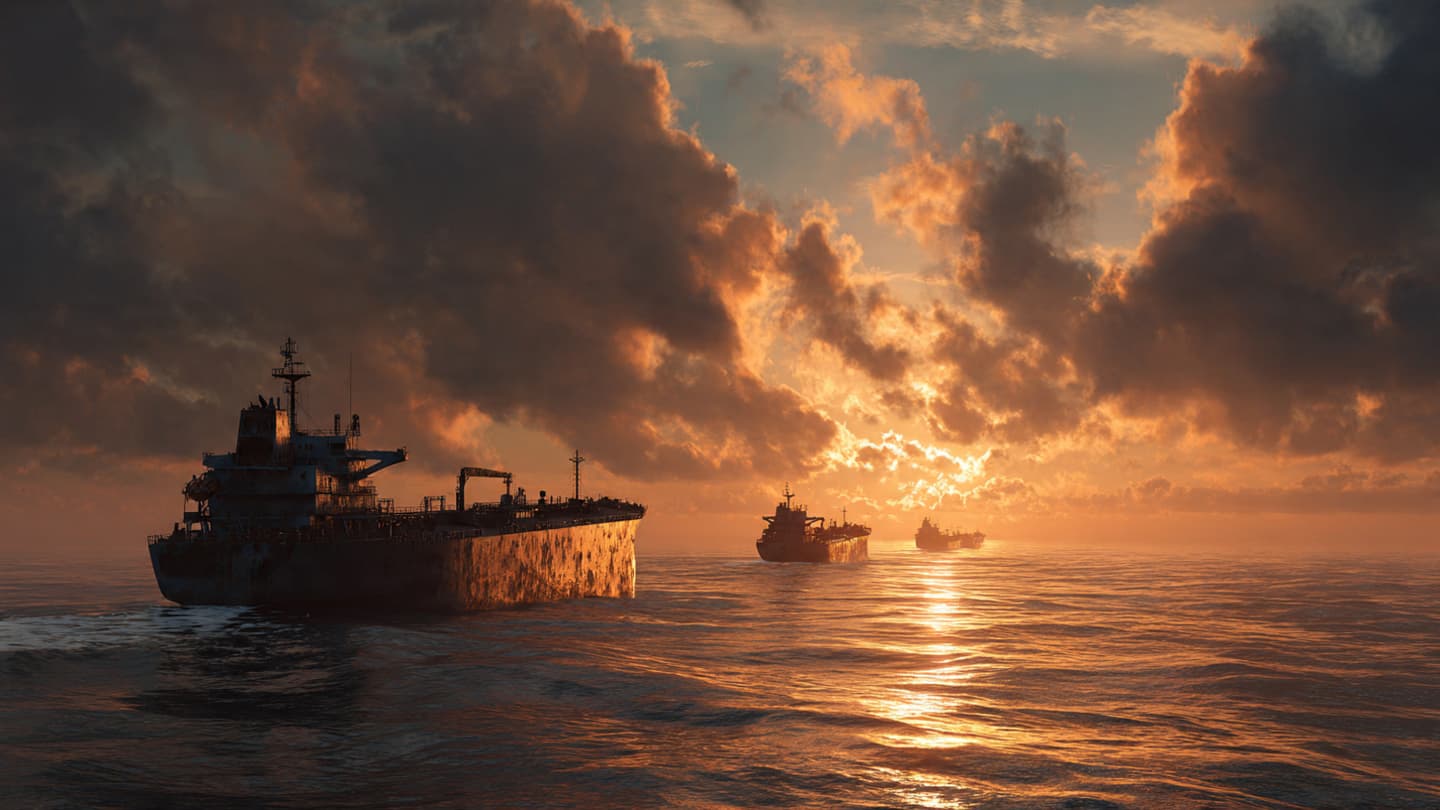
The waters of the Persian Gulf have long reflected more than sunlight and commerce; they have mirrored rivalry, uncertainty, and the fragile balance between diplomacy and confrontation. This week, international attention returned sharply to the Strait of Hormuz after reports emerged accusing Iran of involvement in attacks targeting commercial vessels moving through one of the world’s most important maritime corridors.
According to regional security officials and international observers, several ships traveling through the strategic waterway experienced incidents involving drones and possible missile activity. Shipping companies quickly responded by reviewing routes and increasing security precautions, while naval forces operating in the region intensified patrol operations to monitor developments. The Strait of Hormuz remains one of the most economically sensitive maritime passages in the world, with a substantial portion of global oil exports moving through these narrow waters each day, linking energy producers in the Gulf with international markets.
Even limited instability in the area can influence oil prices, shipping insurance costs, and broader economic confidence worldwide. Iran has consistently rejected accusations that it intentionally targets civilian shipping routes, arguing that external military presence contributes heavily to regional tensions. Iranian officials have also criticized what they describe as politically motivated narratives surrounding maritime security in the Gulf. Nonetheless, concerns among international governments have continued to grow following the latest reports.
The United States and several allied nations responded by emphasizing the importance of maintaining freedom of navigation in international waters. Naval officials stated that protecting commercial shipping remains a priority amid rising uncertainty. Additional surveillance operations and coordinated maritime monitoring efforts have reportedly been expanded across the region. For global energy markets, even symbolic threats to the Strait of Hormuz carry substantial psychological weight. Traders and investors closely monitor developments in the Gulf because disruptions, or even fears of disruption, can quickly affect oil supply expectations.
Analysts noted that recent tensions contributed to renewed volatility in energy pricing during the week. Meanwhile, shipping crews traveling through the region continue operating under increasingly stressful conditions. Maritime workers described heightened security procedures aboard commercial vessels, including communication restrictions, emergency drills, and route adjustments. For many sailors, the Gulf has become not only a commercial route but also a zone of persistent geopolitical uncertainty.
Diplomatic observers warn that miscalculation remains one of the greatest risks in the current climate. In regions where multiple military forces operate simultaneously, even isolated incidents can escalate rapidly if communication channels fail. Several international leaders have therefore called for restraint and renewed diplomatic dialogue to prevent broader confrontation. As investigations into the reported attacks continue, the international community remains focused on maintaining stability in one of the world’s most strategically important waterways. The sea lanes remain open for now, but the atmosphere surrounding them has once again become clouded by caution, suspicion, and the awareness that regional tensions rarely remain contained for long.
Published by Banx Network. This article is part of the Banx decentralized media programme, powered by the BXE token on the XRP Ledger.



