Dawn in Tehran arrives softly, diffused through a pale veil of winter haze that settles along the Alborz Mountains. Traffic hums along wide boulevards, and the city’s mosaic of concrete and tile begins another day under a sky that has watched empires rise and retreat. In ministries and embassies, however, the morning carries a quieter tension—documents drafted, revised, and redrafted, each line an attempt to shape events that feel larger than paper.
Iran is preparing what officials describe as a nuclear counterproposal in response to recent American positions on sanctions relief and uranium enrichment limits. Diplomats close to the talks suggest that Tehran’s draft seeks phased concessions—measured steps that would tie expanded international inspections and caps on enrichment levels to incremental lifting of economic restrictions. The effort comes as Washington weighs its own options, including the possibility of limited military strikes should negotiations collapse.
The negotiations orbit familiar terrain. Since the United States withdrew in 2018 from the Joint Comprehensive Plan of Action—the multilateral agreement that had constrained Iran’s nuclear activities in exchange for sanctions relief—the landscape has shifted repeatedly. Tehran has expanded enrichment beyond the deal’s original thresholds, citing economic pressure and the failure of promised relief. The International Atomic Energy Agency has reported increased stockpiles of enriched uranium, while noting ongoing monitoring efforts and disputes over access.
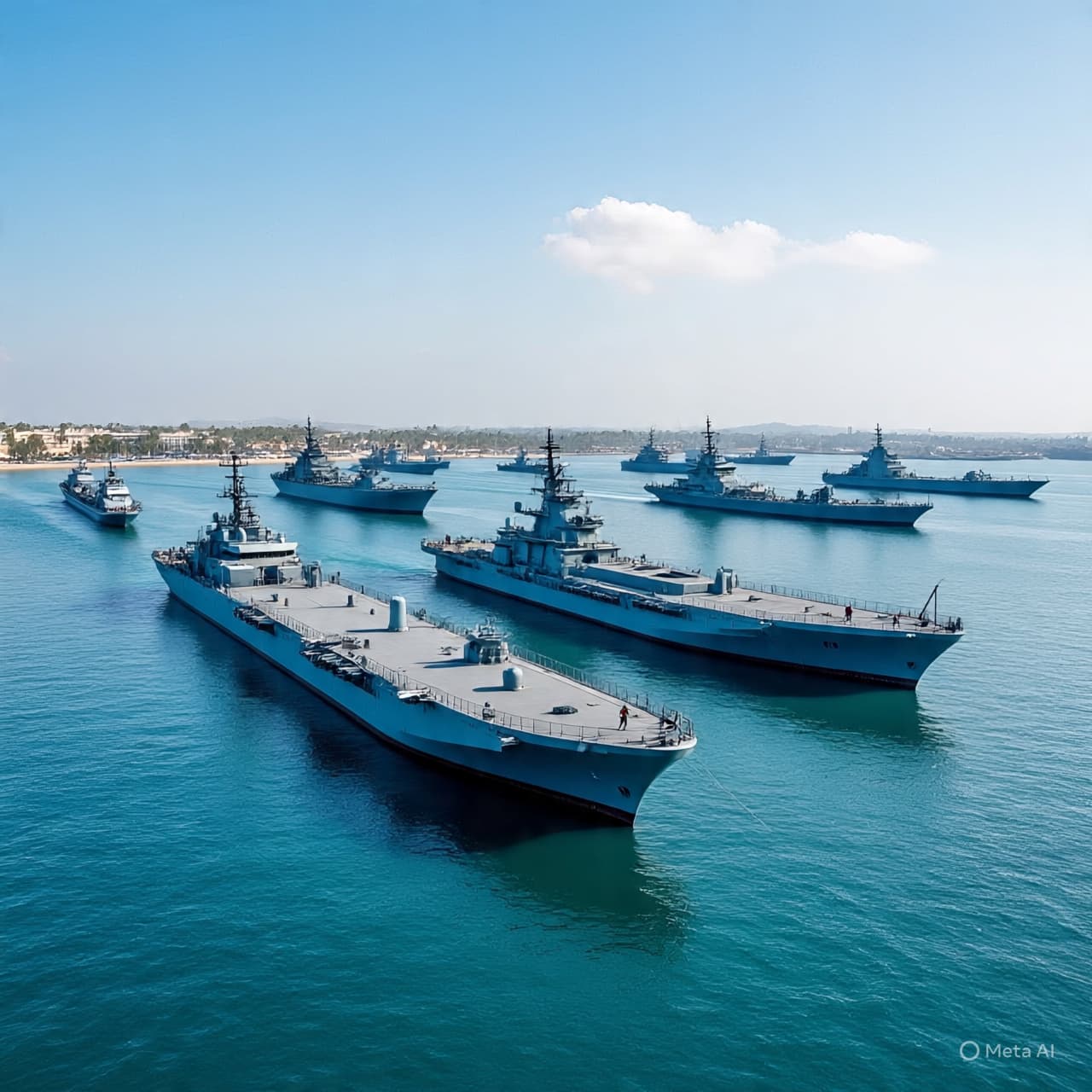
In Washington, officials have described military planning as contingency rather than intention. Discussions reportedly focus on narrowly targeted strikes aimed at nuclear infrastructure if diplomacy were to fail definitively. Defense analysts caution that even limited action carries unpredictable consequences in a region already strained by proxy conflicts and fragile ceasefires. American lawmakers remain divided, some urging stronger deterrence, others warning against escalation that could widen into open confrontation.
For Tehran, the counterproposal is both signal and shield. Iranian leaders have emphasized that their nuclear program is for civilian energy and research, even as enrichment levels approach thresholds that concern Western governments. By offering a structured alternative—one that pairs technical commitments with economic reprieve—Iran appears to be seeking diplomatic space before rhetoric hardens further. Regional partners, including European signatories to the original agreement, continue to press for de-escalation, aware that any rupture would ripple across oil markets and security arrangements alike.
The Persian Gulf, calm in appearance, remains a corridor of global commerce. Tankers trace steady routes through its narrow straits, and energy traders watch headlines as closely as they watch charts. Oil prices have responded in modest fluctuations to the renewed tensions, reflecting both uncertainty and the market’s familiarity with cycles of brinkmanship.
Behind the policy language lies a deeper choreography of posture and perception. For the United States, projecting resolve is intertwined with alliance credibility. For Iran, resisting pressure is bound to domestic politics and regional influence. Each statement issued in Washington or Tehran is parsed not only for substance but for tone—whether it suggests a door opening or quietly closing.
As envoys shuttle between capitals and draft texts circulate among negotiators, the prospect of diplomacy and the shadow of force move in parallel. The coming weeks may determine whether technical compromises can outpace strategic impatience. Military planners refine scenarios even as diplomats refine paragraphs, both aware that timing can be as decisive as intent.
By evening, Tehran’s lights flicker on beneath the mountains, and Washington’s monuments glow across the Potomac. The distance between the two cities is measured in more than miles. Yet within conference rooms and secure lines of communication, the conversation continues—measured, cautious, unfinished. For now, the counterproposal stands as a gesture toward negotiation, and the contemplation of limited strikes remains a contingency rather than a command. In that narrow space between draft and decision, the region waits.
AI Image Disclaimer Visuals are AI-generated and serve as conceptual representations.
Sources Reuters Associated Press BBC News The Wall Street Journal International Atomic Energy Agency
Published by Banx Network. This article is part of the Banx decentralized media programme, powered by the BXE token on the XRP Ledger.