In the gentle gray of morning light that stretches across Washington, where the Potomac flows with a soft persistence beneath bridge and sky, there is a rhythm of words that often feels like water on stone — an insistence born of purpose and echo, shaping the contours of public life. It is here, where the nation’s tempo is measured in speeches and briefings, that leaders set forth aspirations not only for their own citizens but, at times, for the wider world.
This week, President Donald Trump renewed his push for a peace deal intended to bring an end to the escalating conflict involving the United States, Iran and regional partners, a gesture that has unfolded with both urgency and uncertainty. Washington transmitted a 15‑point framework through diplomatic intermediaries, including Pakistan, aimed at laying the groundwork for a ceasefire and a path toward de‑escalation after nearly a month of hostilities. The plan, designed to address issues ranging from the reopening of the Strait of Hormuz to limits on Tehran’s nuclear and missile capabilities, carried the weight of strategic intentions and the hope — however tenuous — of a softening in tensions.
Yet, across the distant expanses of desert and ancient cities that stretch from Tehran’s avenues to the Gulf’s craggy shoreline, that proposal was met with unease. Iran’s response was characteristically measured yet firm: senior officials labeled the offer “one‑sided and unfair,” describing terms they saw as imbalanced and lacking the minimum conditions for a lasting peace. Tehran’s officials emphasized that the framework seemed heavily weighted toward American and allied interests, particularly in requiring Tehran to curtail key defensive capabilities before significant relief or guarantees could be assured. Despite this sharp critique, Iranian voices stopped short of closing the door entirely; they suggested that diplomacy might remain possible if negotiations were grounded in a more reciprocal approach.
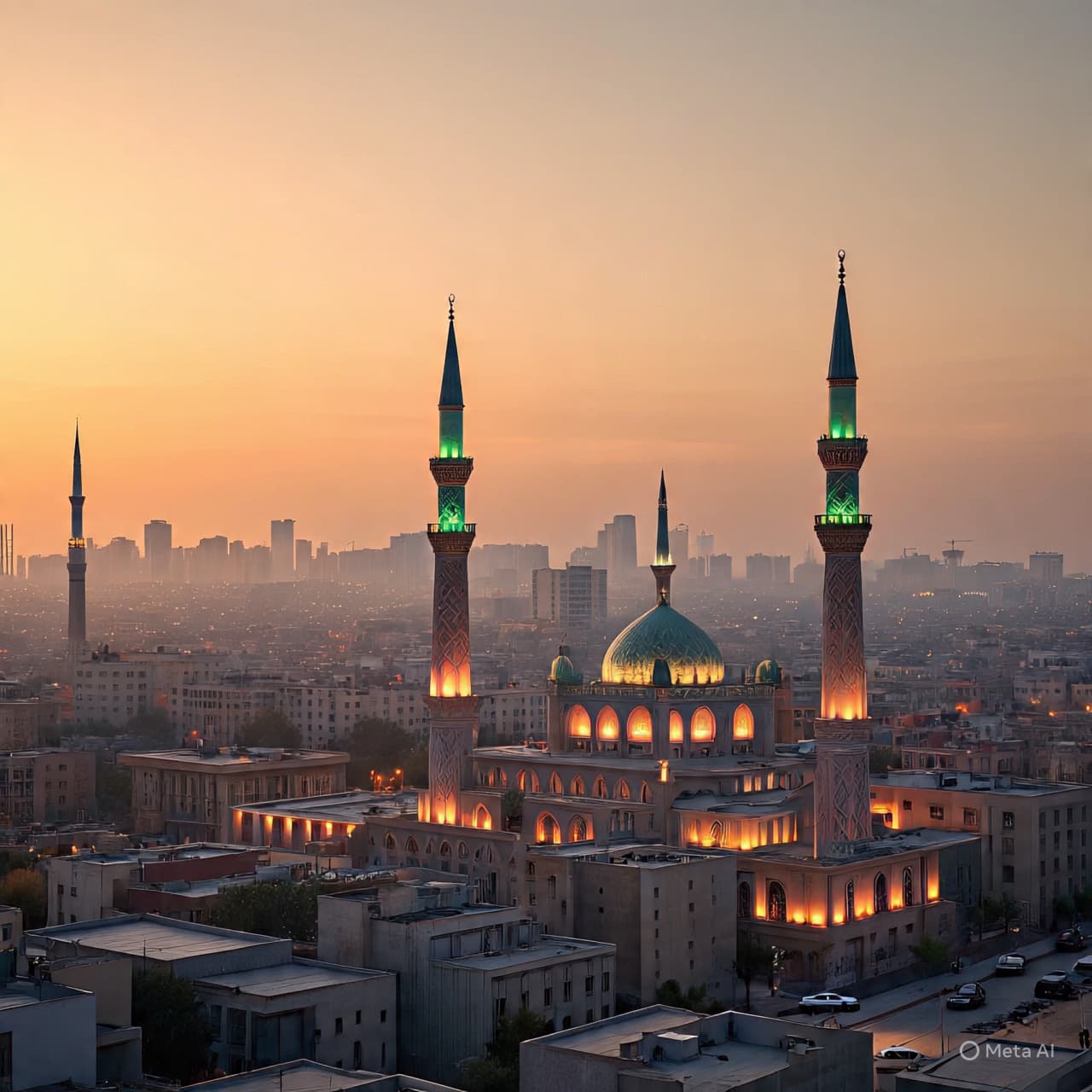
The sun that rises over these very different capitals — one ringed by monuments to democracy, the other by minarets and bazaars that have witnessed centuries of history — seems to mirror something of that delicate tension. In Washington, pundits and policymakers speak of the peace plan as a potential turning point, a framework that could pause conflict and ease the burden carried by oil markets, global supply chains and anxious populations watching skies and tides for signs of calm. Markets themselves have responded with cautious optimism in recent days, with equities climbing and oil prices easing as traders embraced the prospect of reduced geopolitical risk. Yet analysts caution that without concrete, sustained dialogue between Tehran and Washington, such optimism may be ephemeral.
In Tehran’s narrow alleyways and quiet courtyards, the reaction has been tinged with skepticism and self‑reflection. The Iranian position speaks to a longstanding narrative about sovereignty and security: that any settlement must reflect not just the absence of violence but also assurances that future actions will respect national interests. The demand for such reciprocity — a balance in what each side is asked to yield and what it expects in return — reveals the deep roots of mistrust that have shaped relations between the two nations for decades. Amid these assessments, voices in both capitals remind observers that peace, if it is to endure, must be woven from threads of mutual understanding, not merely from the imposition of terms.
For many around the world, the human cost of prolonged conflict — the disruption of lives, the strain on economies, the uncertainty of tomorrow — is felt in everyday acts: the price of fuel at a station, the ripple of a delayed shipment, the quiet prayers of families navigating fear. And as the morning light deepens over both government buildings and distant rooftops, there is a quiet reminder that diplomacy remains both a craft and a hope — an endeavor that asks, even in times of discord, for rooms to remain open and for words to find paths toward understanding.
In this stillness, the contours of possibility take shape: a peace plan offered, another rejected, yet an enduring invitation to return to the table if conditions can better reflect the aspirations of all involved. The facts of war and peace are sometimes stark; the spaces between them, though, are where the gentle art of negotiation unfurls.
AI image disclaimer Visuals are AI‑generated and serve as conceptual representations.
Sources Reuters, Business Insider, RFE/RL, Times of India, SABC News.
Published by Banx Network. This article is part of the Banx decentralized media programme, powered by the BXE token on the XRP Ledger.