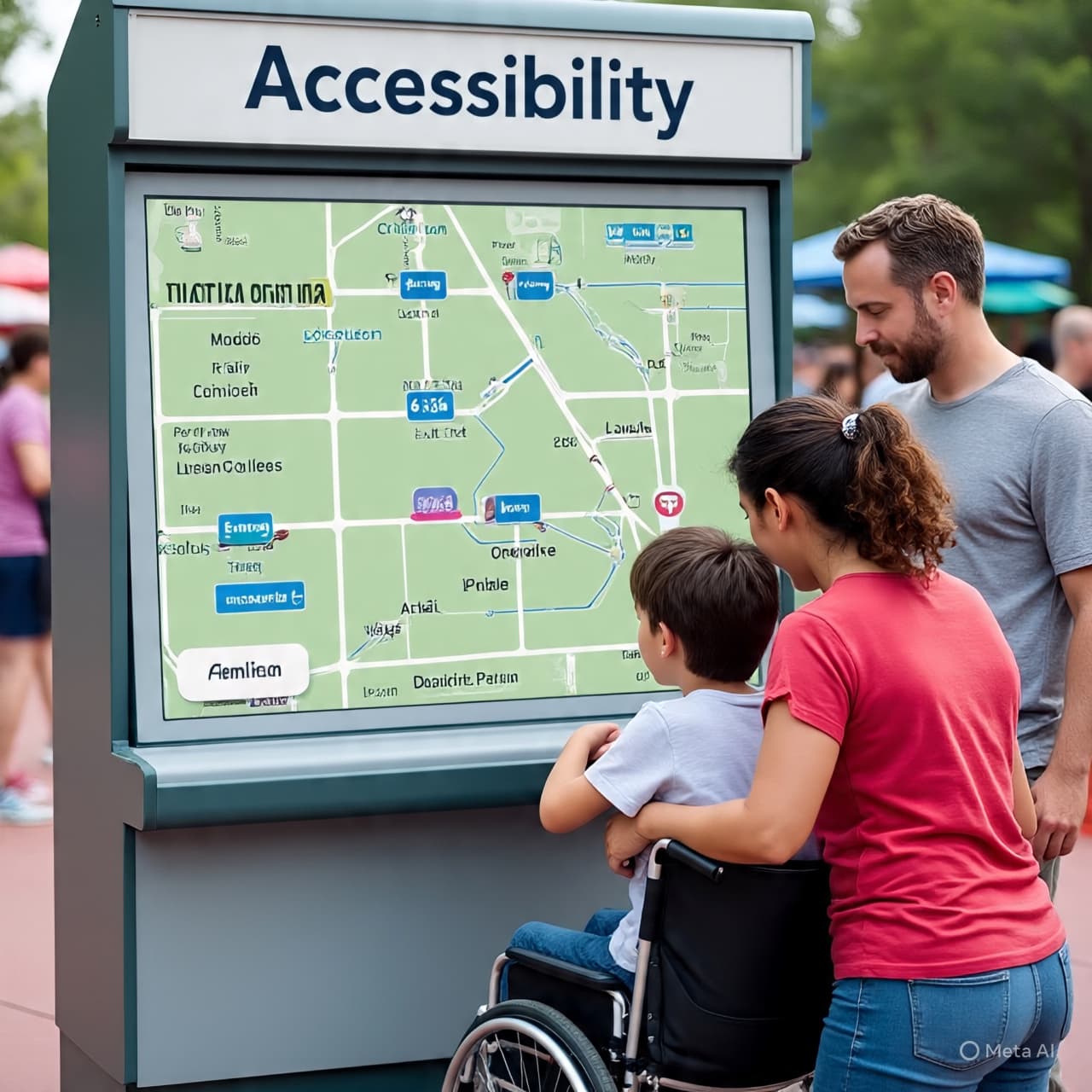
At the heart of the change is the program previously known as the Guest Assistance Card — now rebranded and reshaped as the Disability Access Service (DAS). The program’s stated purpose remains: to help guests “who aren’t able to wait in a conventional queue environment due to a disability.”
But eligibility criteria have narrowed. As of 2024–2025, Disney has restricted DAS access to primarily those with developmental disabilities (for example, autism or similar conditions) that make waiting in long lines especially difficult. Guests seeking a DAS pass must now complete a live video-chat screening with a Cast Member and a contracted medical professional — either ahead of the visit or on the same day.
As of May 2024, in-person registration for DAS was discontinued at Guest Relations locations — the video-chat method is now mandatory. The program also introduced a limit on group size: DAS accommodations are now valid for the guest plus their immediate family or up to three additional people (max four total).
On the other hand, there have been some procedural adjustments that appear aimed at improving planning flexibility: the “pre-arrival conversation” window was extended from 30 to 60 days. Approved DAS registrations are now valid for up to one year or the length of the ticket — whichever is shorter. The registration process was also clarified recently, outlining specific rules: the guest must be present during the video call; users must be 18 or older (or have a guardian request on their behalf); video chats must use a linked Disney account and valid park admission; and the call must remain unrecorded.
Disney explains the changes as a response to widespread misuse: what began as a modest accommodation program grew over time — with DAS passes rising from around 5% of guests to roughly 20%. The company argues that tightening the criteria was necessary to preserve access for guests who truly need it.
Still, many visitors and disability-rights advocates say the new policy is overly restrictive. Families with physical or chronic conditions — for whom standing in long lines is painful or impractical — say they are being excluded. Some affected individuals argue that Disney is effectively deciding who is “disabled enough” to deserve accommodations. One guest denied DAS described the change this way: “I would love to wait in line with everyone else... but we don’t, and unfortunately for us, we need adaptations to how we wait.”
Legal and financial pressure is mounting. A class-action lawsuit has been filed, and a shareholder proposal from an advocacy group asks Disney to commission an independent review of its disability policies, arguing the changes have contributed to lower attendance among disabled guests.
Despite the tightening of DAS, Disney insists it continues to offer other accommodations — wheelchair access, ride-seat transfer devices, Braille maps, quiet break areas, and interpreters, among others — to support guests with mobility, sensory, or visual/hearing impairments.
AI Image Disclaimer: “Visuals are created with AI tools and are not real photographs.”
Sources (media names): PBS News; The Washington Post; AllEars; Inside the Magic; AP News
Published by Banx Network. This article is part of the Banx decentralized media programme, powered by the BXE token on the XRP Ledger.

.jpg&w=3840&q=75 "Fatal Trench Collapse in Lima: Four Municipal Drainage Construction Workers Killed After Wall Caves In")