In the weave of human stories across a vast and vibrant land, there are threads that run quietly yet deeply, binding generations through faith and purpose. In Mozambique, a southeastern nation marked by shifting histories and diverse cultures, one such thread stretches across a full century — a persistent movement of people sharing a message they call the “good news of God’s Kingdom.” This December, as the calendar turns another page, that century is marked not merely by years counted, but by the millions whose lives intersected with that ongoing journey.
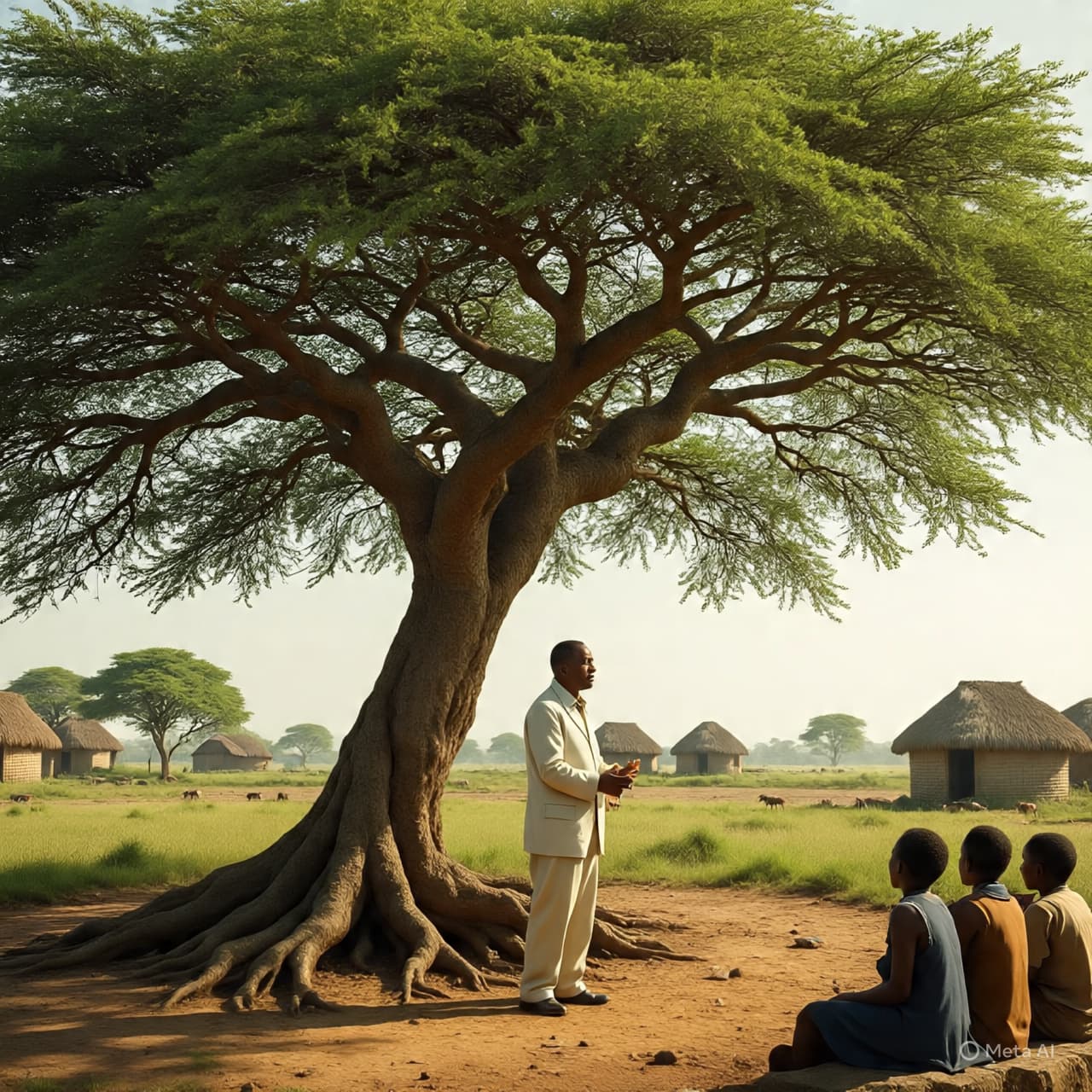
It all began in 1925 with one man’s footsteps across borders. Albino Mhelembe, traveling from South Africa, arrived in Marracuene and felt compelled to share what he believed was an urgent spiritual message. Under leafy trees and from village to village, he spoke with those he met, inviting them into conversations that transformed passing curiosity into committed discipleship. Those early discussions became the seeds of something that would bloom far beyond the places where they were first spoken.
Yet the path of that preaching work was far from smooth. From the 1940s through the late 20th century, Mozambique itself was experiencing times of upheaval — political, social, and spiritual. Jehovah’s Witnesses, as they came to be known, faced periods of intense opposition, including imprisonment, deportation, and forced relocation. Individuals such as Brother Janeiro Dede endured arrest and removal from the country, and others found themselves in re-education camps amid broader campaigns against religious activity. Through these trials, their commitment did not wane; rather, it quietly adapted and endured.
Persistence eventually bore tangible recognition. On February 11, 1991, after nearly fifty years of surmounting obstacles, Jehovah’s Witnesses in Mozambique received official legal recognition, a milestone that expanded both their capacity to gather and their ability to share their message openly. Soon after, missionaries trained abroad contributed to growth and organization, leading to the establishment of a branch facility in Maputo to coordinate efforts and translate Bible-based literature into multiple local languages.
Today, that legacy has taken impressive shape: more than 109,000 brothers and sisters serving as proclaimers across 2,109 congregations, sharing their beliefs in about 30 languages throughout Mozambique. For those within this religious community, the numbers are not merely statistics — they are living testimonies of faith persevered through adversity and time.
For outsiders, the centennial invites reflection on the interplay of faith, culture, and history in a land where religious expression has weathered shifting political landscapes. Whether seen as spiritual impetus, cultural identity, or historical moment, the story of preaching in Mozambique captures a wider human rhythm: one in which deep-rooted belief and human determination persist across generations, grounded by heritage and carried by the voices of many.
As the year closes, the centenary stands not only as a marker of past accomplishment but as a starting point for fresh chapters — ones in which the same humble footsteps that once led a single preacher into Marracuene now join countless others in a narrative that continues to unfold.
AI Image Disclaimer “Visuals are created with AI tools and are not real photographs.”
Sources jw.org official release on the centenary of preaching work in Mozambique.
Published by Banx Network. This article is part of the Banx decentralized media programme, powered by the BXE token on the XRP Ledger.