
Key Highlights
- New high-speed rail link between Belgrade and Budapest.
- Trains reaching operational speeds of 200 km/h.
- Travel time reduced to under three hours.
The introduction of the new high-speed rail connection between Belgrade and Budapest marks a significant advancement in regional transportation. This project, which has reached its final testing stage, promises to transform travel dynamics in the Balkans by allowing trains to operate at speeds of up to 200 kilometers per hour. With full commercial services expected to commence within the next quarter, this infrastructure initiative is set to reduce travel time between the two capitals to under three hours, enhancing connectivity and economic exchange.
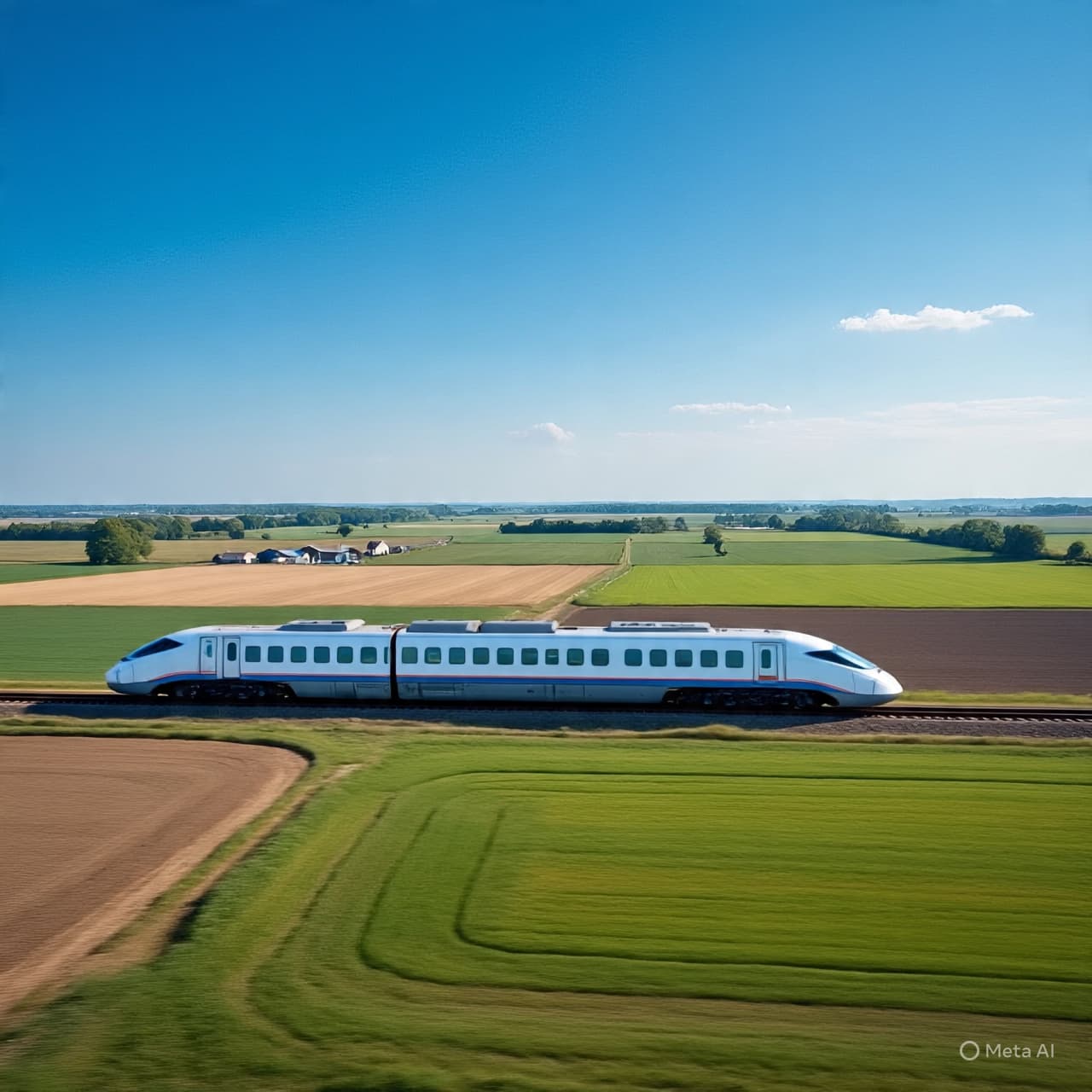
The construction of this rail line has been a monumental effort, involving collaboration between Serbian, Hungarian, and international construction firms. Engineers have worked diligently to ensure that the tracks not only meet modern standards of speed and safety but also respect the natural contours of the landscape. This careful planning reflects a commitment to both progress and environmental stewardship, as the rail line weaves through the picturesque Serbian countryside.
As travelers board the sleek, modern trains, they will experience a journey that is both efficient and comfortable. The interior of the trains is designed to provide a serene atmosphere, allowing passengers to relax or work as they glide over the terrain. This duality of speed and comfort is a hallmark of modern rail travel, making it an attractive option for both business and leisure travelers.
Beyond mere convenience, this high-speed rail connection serves as a vital economic bridge between Serbia and Hungary. It facilitates not only the movement of people but also the exchange of goods and services, fostering closer ties between the two nations. The ease of travel is expected to stimulate tourism and business opportunities, contributing to the economic growth of the region.
The significance of this rail link extends beyond national borders. It symbolizes a broader aspiration for integration within Central and Eastern Europe, where improved transportation networks can help to overcome historical divisions. As the train speeds toward the northern border, it embodies the hope for a future where connectivity fosters collaboration and mutual understanding among nations.
In conclusion, the high-speed rail connection between Belgrade and Budapest is more than just a transportation project; it is a transformative initiative that redefines the relationship between these two historic capitals. As the first trains prepare to enter commercial service, the anticipation builds for a new era of travel that promises to bring people closer together, both physically and culturally.
Published by Banx Network. This article is part of the Banx decentralized media programme, powered by the BXE token on the XRP Ledger.



