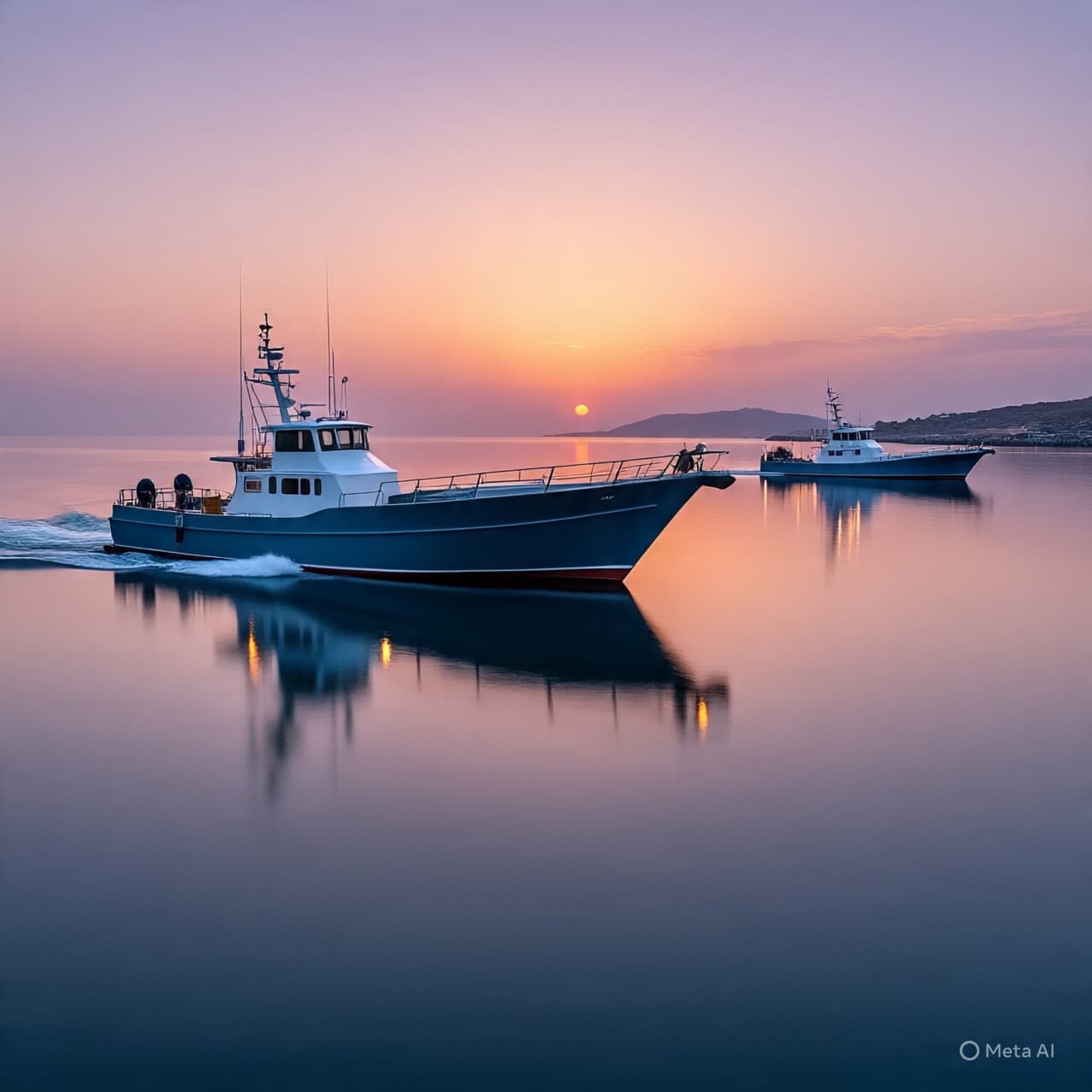
In the cool hush just before dawn, the waters of the Strait of Hormuz shimmer beneath a hesitant light — a narrow ribbon of sea that for generations has carried ships and stories between distant ports and distant lives. On calm mornings, the horizon here seems vast and uncomplicated, as though every vessel might continue its voyage unperturbed by the world’s tempestuous currents. Yet, in recent weeks, this slender passage has come to embody something heavier — the intertwined pulse of conflict, commerce, and shared unease.
Across the Middle East, as the conflict between the United States, Israel, and Iran traces its fifth week, foreign ministers and diplomats have gathered in distant halls to weigh futures that feel both immediate and unfurling with the dawn. Among them stands U.S. Secretary of State Marco Rubio, who in recent days has spoken of this war in terms of weeks rather than months, a measured cadence that places the arc of violence and diplomacy within a nearer grasp of resolution. He conveyed to fellow leaders that U.S. military operations might conclude in another two to four weeks, an acknowledgment that even in strategies shaped by long‑standing rivalries, time — like the morning light — continues its steady advance.
Yet beneath such statements lies a deeper current: the fate of the Strait itself. This slender waterway, through which roughly a fifth of the world’s oil passes in quieter times, has become not just a route of commerce but a symbol of what is at stake. Iran’s posture toward the strait has morphed over the course of the war — with restrictions on shipping and threats of tolling systems that could reshape global trade and the rhythms of coastal life in many nations. Rubio and other U.S. officials have spoken of the importance of ensuring free passage and, after the conflict, possibly forming a maritime task force with allies to keep the strait open — a plan that reflects both economic urgency and strategic resolve.
On the dim waters at daybreak, where ferries and freighters once threaded through with familiar whistles and foghorns, the absence of normal traffic now carries its own quiet weight. Insurance costs have soared, captains hesitate, and supply chains are reminded that the world’s far‑flung markets are held together by fragile lines — both geopolitical and nautical. For those who watch the horizon from ports in the Gulf or the decks of anchored vessels, the strait’s calm surface belies the powerful forces that have shaped its recent silence. The measures of peace and conflict, like tides, pull and ebb; their influence is felt far from the cities in which leaders deliberate, yet their impact reaches into the everyday rhythms of markets and distant households alike.
And as the sky transitions from rose to a gentle gold, there is a sense of tentative optimism woven with tension: that the war, described by some as nearing a conclusion, might soon give way to a different kind of effort — one focused on renewal rather than rupture, on passage instead of blockade. Still, the shadow of what lies ahead hovers over the strait like morning mist over water, lingering even as the sun ascends. In every gentle wave that brushes against the hull of a stationary ship, there is the quiet reminder that the world’s shared paths — whether through sea or story — are both enduring and delicate, shaped by human choices as much as by the slow, steady rise of dawn.
AI Image Disclaimer Visuals are AI‑generated and serve as conceptual representations.
Sources Reuters Al Jazeera ABC News Axios Wikipedia – 2026 Strait of Hormuz crisis
Published by Banx Network. This article is part of the Banx decentralized media programme, powered by the BXE token on the XRP Ledger.