
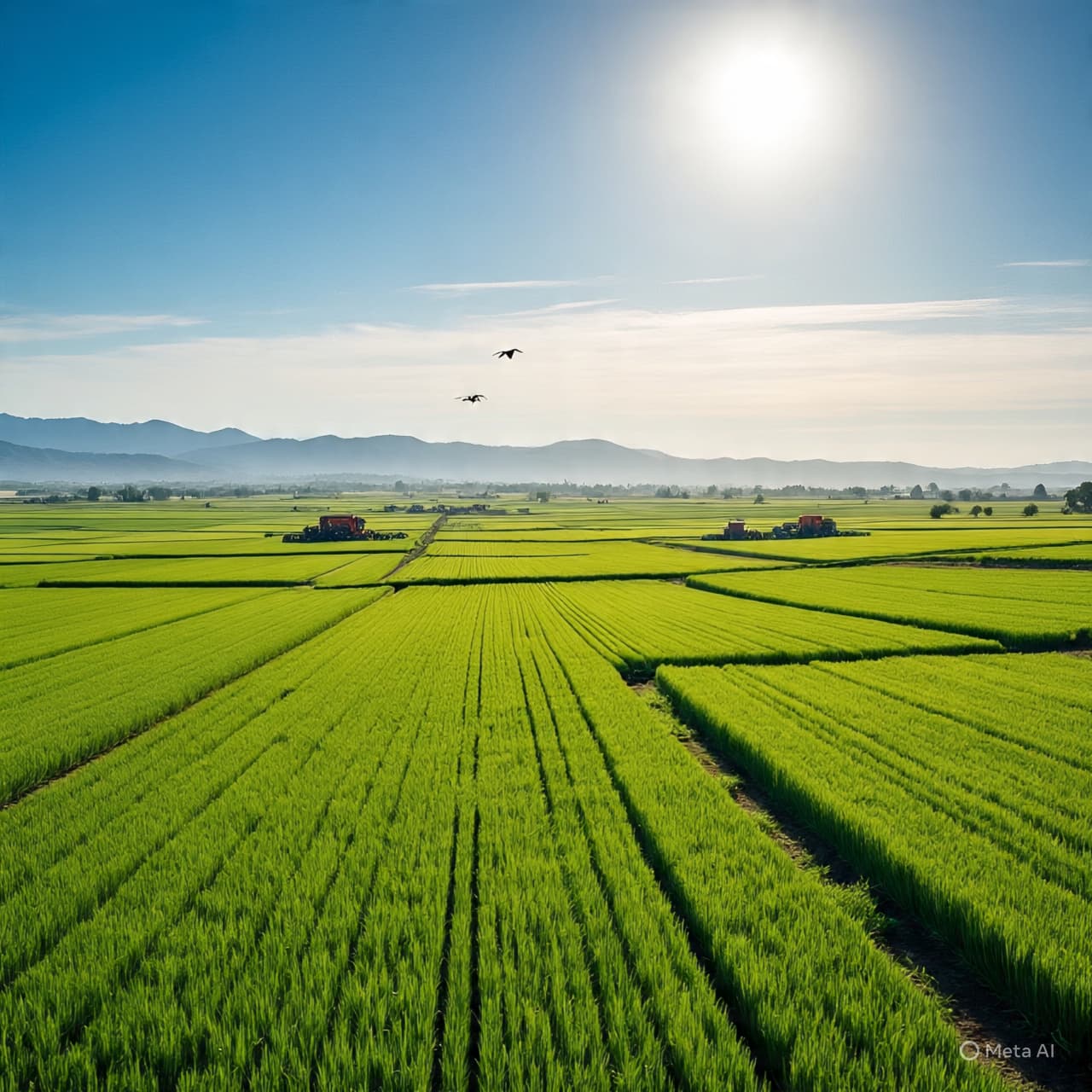
In the gentle hush before dawn, fields rest in quiet anticipation of another day’s work. Row upon row of crops lie under the soft promise of sunlight, and for farmers, this liminal space between night and morning carries both hope and uncertainty. California’s agricultural landscapes—vast orchards, shimmering vineyards, and neat lines of leafy greens—have long been symbols of productivity and resilience. Yet even the most fertile soils can feel the strain when forces far beyond them begin to shift.
For months now, California farmers have been navigating a landscape already marked by challenge—climate pressures, rising costs, and global market fluctuations. Then, as conflict erupted in Iran, another layer of strain seemed to ripple outward, touching fields thousands of miles from the front lines. The war, which has led to shifts in energy markets and disruptions in shipping through vital waterways, has added to the burdens that growers were already carrying.
At its core, farming depends on a delicate balance of inputs: water, labor, fuel, and fertilizer among them. When any one of these becomes scarce or costly, the equilibrium is disturbed. In recent weeks, growers across the state have noted sharp rises in the price of diesel—a lifeblood for the tractors and trucks that move harvests from fields to markets. Fertilizer, too, has become more expensive as global supply chains feel the tension of conflict and logistical rerouting.
This surge in production costs arrives at a moment when many farms were already operating on thin margins. Specialty crops, like almonds and walnuts, which form a significant part of California’s agricultural exports, have seen shipments delayed or rerouted as global trade routes adjust to instability abroad. Some growers describe the experience as a “perfect storm,” where global forces converge with local challenges to create conditions that are hard to navigate.
The ripple effects are not confined to the fields alone. Higher input costs can translate into increased prices for consumers, potentially contributing to broader conversations about food affordability. For farmers, the calculus becomes one of weighing whether to plant certain crops at all, shift to alternatives that require fewer inputs, or accept slimmer profits in hopes of maintaining long-term viability. These are not decisions made lightly; they are rooted in careful consideration of markets, weather patterns, and the hard-earned wisdom that comes from seasons of uncertainty.
Yet amid these pressures, the rhythm of daily work continues. Farmers rise early, tend their crops, and seek ways to adapt to conditions that shift with surprising speed. Community networks have become hubs of shared information, where growers exchange insights on cost-saving strategies or alternative practices. In many ways, this communal resilience reflects the enduring spirit of agriculture—a willingness to find continuity even as external forces ebb and flow.
At the same time, policymakers and industry groups are paying close attention to the intersection of global conflict and agricultural stability. Discussions range from ensuring supply chain resilience to exploring support mechanisms that might cushion farmers against sudden economic shocks. While solutions are not immediate, the conversations reflect a recognition that local food systems are deeply connected to global currents.
As the Iran war continues to influence energy prices and trade dynamics, the impacts on California’s farms remain unfolding. For now, growers face the present with a blend of pragmatism and quiet hope—aware of the challenges, yet committed to the work that sustains both land and livelihood.
In straight terms, the conflict has contributed to higher fuel and fertilizer costs and disrupted export routes for some California agricultural products. These factors are adding to existing pressures on farmers, who are adapting as conditions evolve. Officials and industry stakeholders continue to monitor the situation, with further developments in markets and policy expected in the weeks ahead.
AI Image Disclaimer Graphics are AI-generated and intended for representation, not reality.
Source Check (Credible Media Outlets): Reuters Los Angeles Times CBS News Bloomberg The Guardian
Published by Banx Network. This article is part of the Banx decentralized media programme, powered by the BXE token on the XRP Ledger.


