

Key Highlights
- Rising Costs:California farmers are facing increased prices for diesel and fertilizer due to global conflicts.
- Supply Chain Disruptions:The war in Iran has affected shipping routes, impacting agricultural exports.
- Community Resilience:Farmers are adapting through shared strategies and local networks.
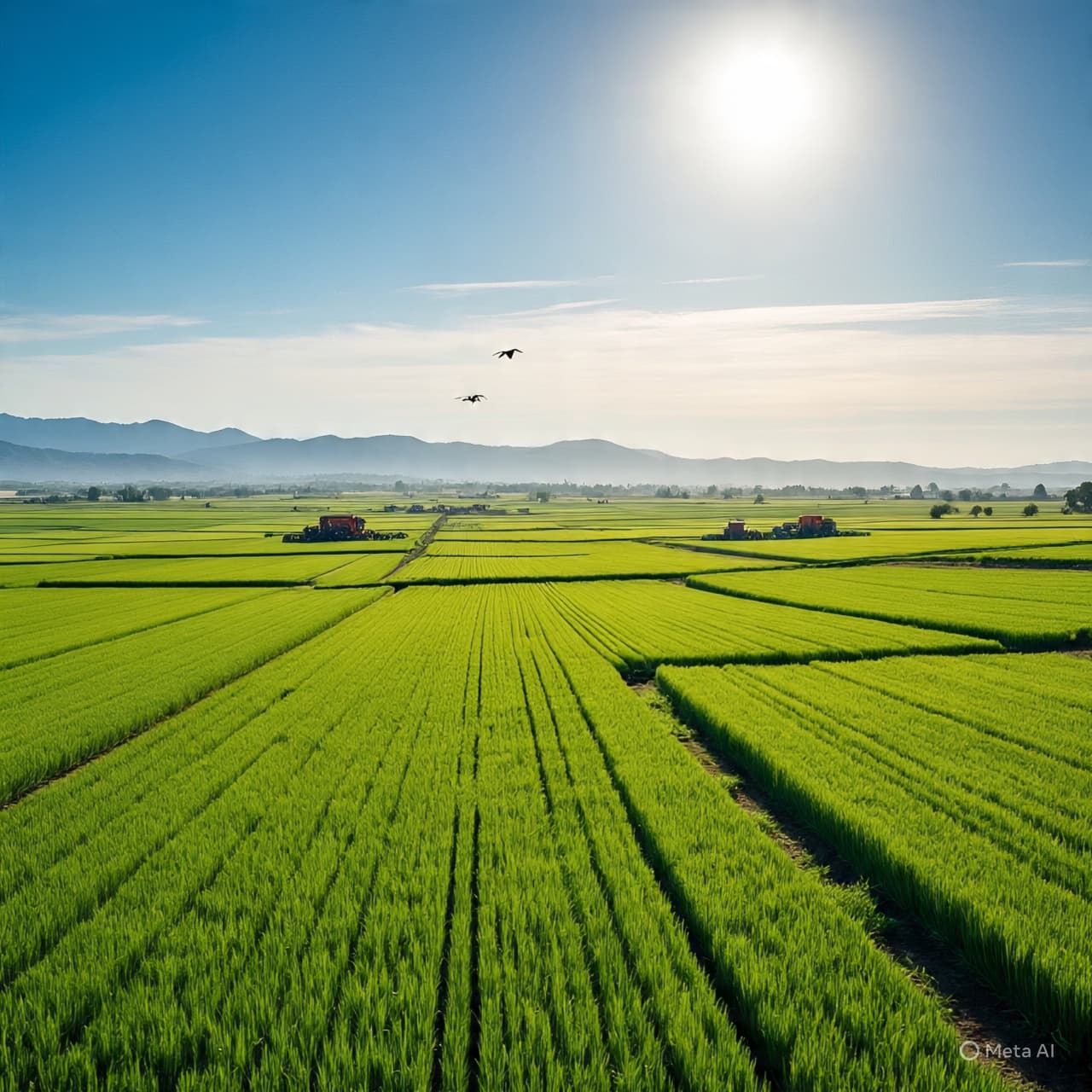
The dawn breaks over California's agricultural heartland, where fields lie in quiet anticipation of the day's labor. This serene moment, however, belies the challenges that farmers face as they navigate a landscape increasingly shaped by global events. California's vast orchards and vineyards, symbols of agricultural resilience, are now under pressure from rising costs and supply chain disruptions linked to conflicts far from home.
In recent months, the conflict in Iran has sent shockwaves through global markets, affecting energy prices and shipping routes. Farmers in California, already grappling with climate change and rising operational costs, now find themselves contending with the fallout from this geopolitical turmoil. The price of diesel, essential for powering tractors and transporting goods, has surged, while fertilizer costs have also escalated, straining the already thin margins that many growers operate under.
The implications of these rising costs extend beyond the fields. As input prices climb, consumers may soon feel the pinch at grocery stores, where food affordability becomes a pressing concern. Farmers are faced with tough decisions: whether to plant certain crops, switch to less input-intensive alternatives, or accept reduced profits to maintain their operations. These choices are not made lightly; they are informed by years of experience and a deep understanding of market dynamics.
Specialty crops, such as almonds and walnuts, which are vital to California's agricultural exports, have been particularly affected. Delays and rerouting of shipments due to altered global trade routes have compounded the challenges growers face. Many describe the situation as a “perfect storm,” where local agricultural challenges intersect with broader global issues, creating a complex environment for decision-making.
Despite these pressures, the daily rhythm of farming continues. Early mornings see farmers tending to their crops, seeking innovative ways to adapt to rapidly changing conditions. Community networks have emerged as vital resources, where growers share insights on cost-saving measures and alternative practices. This spirit of collaboration reflects the resilience inherent in agriculture, as farmers strive to maintain continuity amid uncertainty.
Policymakers and industry stakeholders are closely monitoring the situation, recognizing the interconnectedness of local food systems and global events. Discussions are underway regarding supply chain resilience and potential support mechanisms to help farmers weather economic shocks. While immediate solutions may not be forthcoming, the ongoing dialogue underscores the importance of addressing the challenges posed by global conflicts on local agriculture.
As the situation in Iran evolves, its impact on California's farms continues to unfold. Farmers remain committed to their work, balancing pragmatism with hope as they navigate the complexities of their industry. The challenges are significant, but so too is the dedication of those who cultivate the land, ensuring that agriculture remains a cornerstone of California's economy and culture.
In summary, the conflict has led to increased fuel and fertilizer costs and disrupted export routes for California's agricultural products. Farmers are adapting to these evolving conditions, while officials and industry stakeholders remain vigilant in monitoring market developments and policy responses.
Published by Banx Network. This article is part of the Banx decentralized media programme, powered by the BXE token on the XRP Ledger.




