
Key Highlights
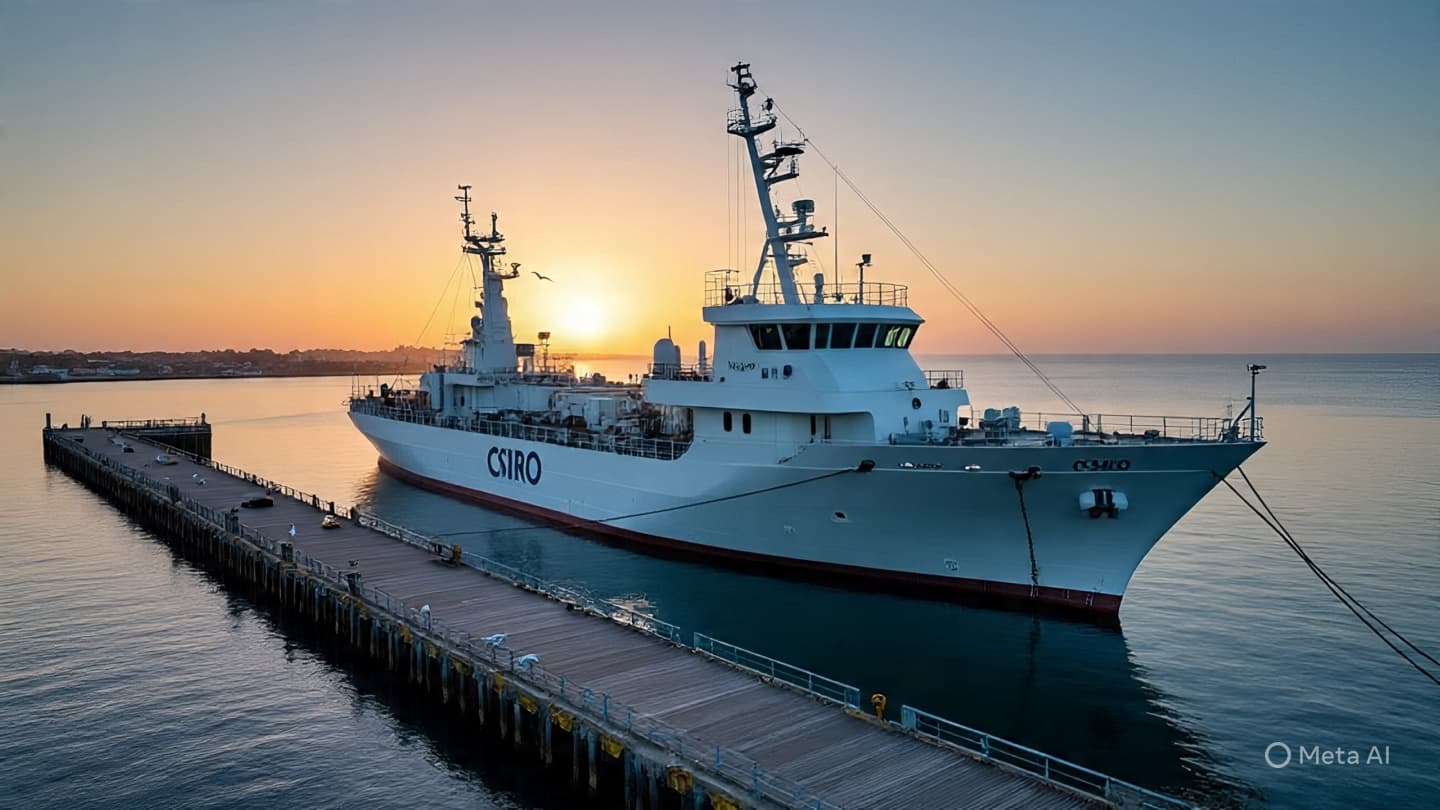
- Departure Date:The CSIRO research vessel RV Investigator departed Fremantle on April 23, 2026.
- Duration:The voyage will last 13 days, concluding in Hobart.
- Research Focus:The mission includes seafloor mapping of the Bremer Canyon and a survey of a historic shipwreck.
[CAPSTAN Voyage Overview]
On April 23, 2026, the CSIRO research vessel RV Investigator set sail from Fremantle, marking a significant milestone in marine science education. This voyage is part of the Collaborative Australian Postgraduate Sea-Training Analysis Network (CAPSTAN) program, which aims to equip the next generation of marine scientists with hands-on experience in one of the world’s most advanced sea-going laboratories. Over the course of 13 days, twenty selected students will engage in multidisciplinary research, including critical seafloor mapping and the examination of a historic shipwreck, contributing to Australia’s marine conservation efforts.
[The Role of the RV Investigator]
The RV Investigator is not just a research vessel; it is a floating classroom where theoretical knowledge meets practical application. The students will work alongside experienced CSIRO researchers, learning to navigate the complexities of oceanographic surveys and sediment sampling. This immersive experience is designed to democratize access to elite scientific training, ensuring that the skills necessary to manage Australia’s vast marine estate are effectively passed down to future experts. The integration of real-time data collection and analysis will provide students with invaluable insights into the health of the ocean and its ecosystems.
[Research Objectives]
The primary objectives of this voyage include mapping the Bremer Canyon and conducting a specialized survey of a historic shipwreck. These activities are crucial for understanding the ecological dynamics of the Southern Ocean, which is increasingly affected by climate change. The CAPSTAN program emphasizes the importance of longitudinal studies, allowing researchers to track changes in marine environments over time. By revisiting sites previously surveyed nearly a decade ago, the team aims to gather data that will inform future conservation strategies and policy decisions.
[Educational Impact]
The CAPSTAN voyage represents a commitment to fostering a new generation of marine scientists who are not only knowledgeable but also deeply connected to the environments they study. The program aligns with Australia’s Marine Blueprint goals for 2026, which emphasize the integration of education and environmental stewardship. As students engage in hands-on research, they develop a sense of responsibility towards the marine ecosystem, understanding the critical role they will play in its future management.
[Future Implications]
As the RV Investigator makes its way toward Hobart, the impact of this voyage extends beyond the immediate research objectives. It symbolizes a broader movement towards sustainable marine practices and the cultivation of expertise necessary for navigating the challenges posed by climate change. The collaborative efforts of universities and research institutions underscore the importance of collective action in addressing environmental issues. The knowledge gained from this voyage will contribute to a more resilient marine environment, ensuring that Australia’s oceans remain vibrant and healthy for generations to come.
Published by Banx Network. This article is part of the Banx decentralized media programme, powered by the BXE token on the XRP Ledger.



