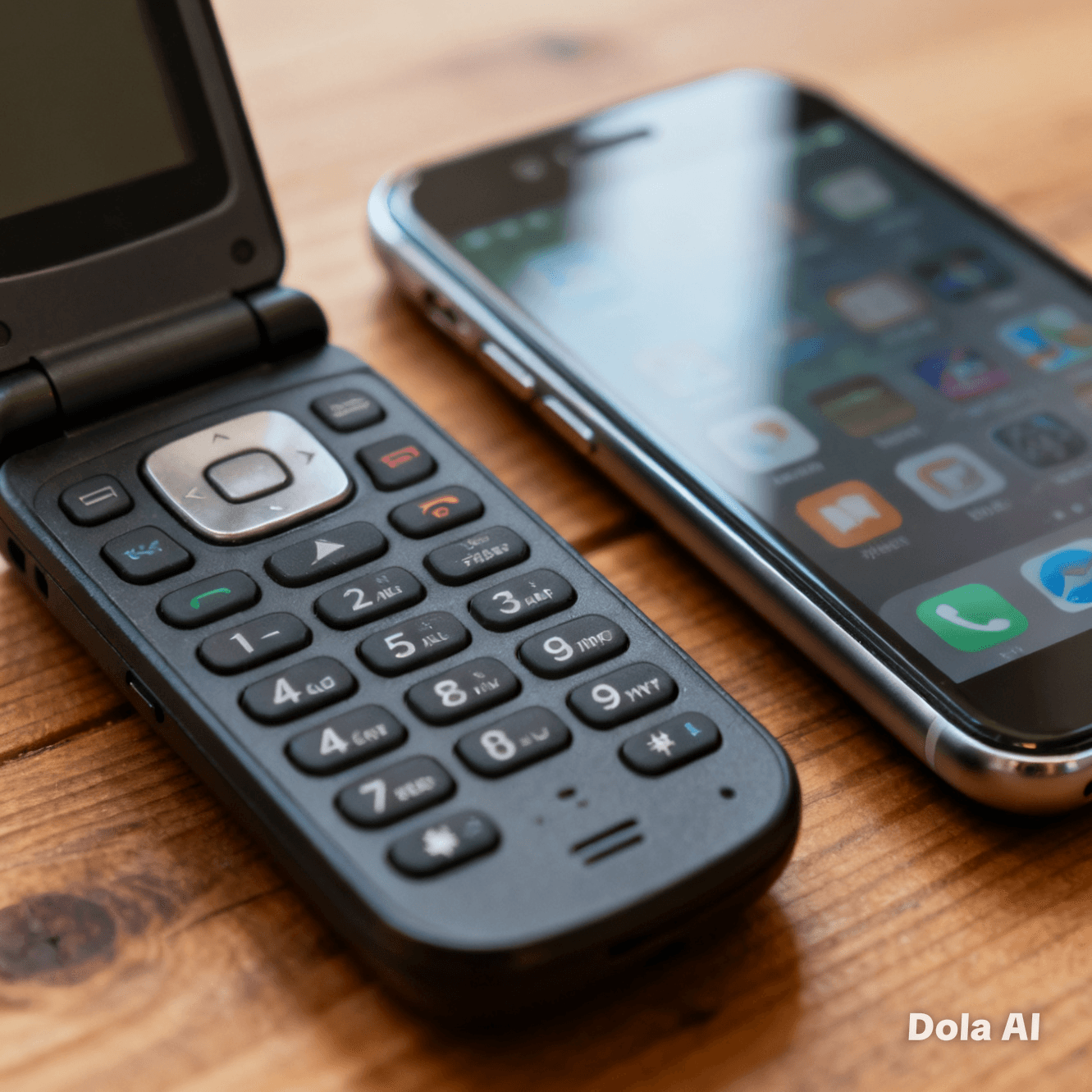
There are moments when life seems to slip quietly between two screens — the gentle morning light reflected in glass and metal before we’ve even left our beds, and the soft glow waiting for us at night as we finally set down the day. Smartphones, those pocket‑sized gateways to information, connection and distraction, have woven themselves into the fabric of everyday life so completely that it often takes a step back to realize how much of ourselves they have claimed. As one recent reflection put it, the devices we carry may have influenced how we think, feel, relate and even govern our attention, leaving many of us to wonder: have we lost touch with parts of ourselves, and can we ever genuinely get them back?
Over the past two decades, the evolution from simple mobile handsets to powerful smartphones has exceeded even our own expectations. Early predictions about persuasive technologies — systems designed not just for convenience but to change what we think and do — have proven strikingly accurate, as platforms and apps now employ reward systems that encourage repeated engagement and habitual checking. These systems don’t just offer connectivity; they shape behaviour much like slot machines use unpredictable rewards to keep players engaged. This form of design interfaces with our psychology in ways that can be both subtle and profound, altering how we allocate our attention and how we relate to the world around us.
Research into the psychological and cognitive impacts of excessive smartphone use suggests that there are real consequences for mind and mood. Studies have consistently linked higher levels of problematic smartphone use with increased anxiety, depression and lower overall life satisfaction, especially among young adults. This isn’t simply a matter of convenience versus inconvenience — there are measurable effects on mental health and emotional regulation when screens become the default for social connection and coping with stressful feelings.
At the cognitive level, excessive use may also disrupt the brain’s capacity for sustained attention and deep thought. Research has found correlations between heavy smartphone use and more frequent lapses in memory and attention, with mechanisms such as blue‑light exposure also playing a part in sleep disruption — a key foundation for cognitive performance.
The psychological dimension goes further: social support and self‑control appear to be protective factors against problematic smartphone habits. Individuals with stronger real‑world social networks and higher self‑regulatory capacity tend to fare better in managing their use, while loneliness, negative emotions and low self‑control are associated with higher “addiction” risk. This suggests that some of what we feel we have lost — presence, deep connection, ease of attention — may be partly retrievable through strengthened social bonds and intentional limits on device use.
Stories of people choosing simpler devices — “dumb phones” or flip phones — or instituting digital detoxes speak to a desire to reclaim time and mental space. For some, stepping away from constant notifications slows the pace of life and enhances mindfulness, reminding them of relationships and activities that once filled their days before smartphones became ever‑present.
Yet it would be simplistic to cast smartphones as villains. These tools also bring undeniable benefits: they offer access to information, connect us across distances, and in many cases provide essential services — from medical alerts to navigation and emergency contact. The challenge doesn’t lie in rejecting technology wholesale, but in cultivating a healthier, more intentional relationship with it. Setting boundaries, tracking screen time, curbing compulsive checking and nurturing social lives beyond screens are all part of a more balanced approach.
Ultimately, getting “ourselves” back is less about nostalgia for a pre‑smartphone era and more about awareness and choice. It’s about recognizing when we use devices as tools — to enhance rather than replace real‑world experience — and when we allow them to fill emotional voids or fragment our attention. Small, deliberate shifts such as designated phone‑free times, digital fasts and stronger offline connections can gradually restore presence, focus, and interpersonal depth that excessive screen use tends to erode.
In straightforward terms: smartphones have profoundly influenced modern behaviour, attention and social interaction, with research linking heavy use to anxiety, poorer mental health outcomes, attention disruption and reduced life satisfaction. Interventions such as mindful use, stronger social support, digital detoxes and intentional boundary‑setting can help people regain balance and reduce excessive reliance on mobile devices.
AI Image Disclaimer Visuals are AI‑generated and intended as conceptual depictions, not real photographs.
Sources : The Guardian Verywell Mind PubMed research on smartphone impacts BMC Psychiatry study on social support and smartphone addiction Digital detox research (MDPI)
Published by Banx Network. This article is part of the Banx decentralized media programme, powered by the BXE token on the XRP Ledger.