
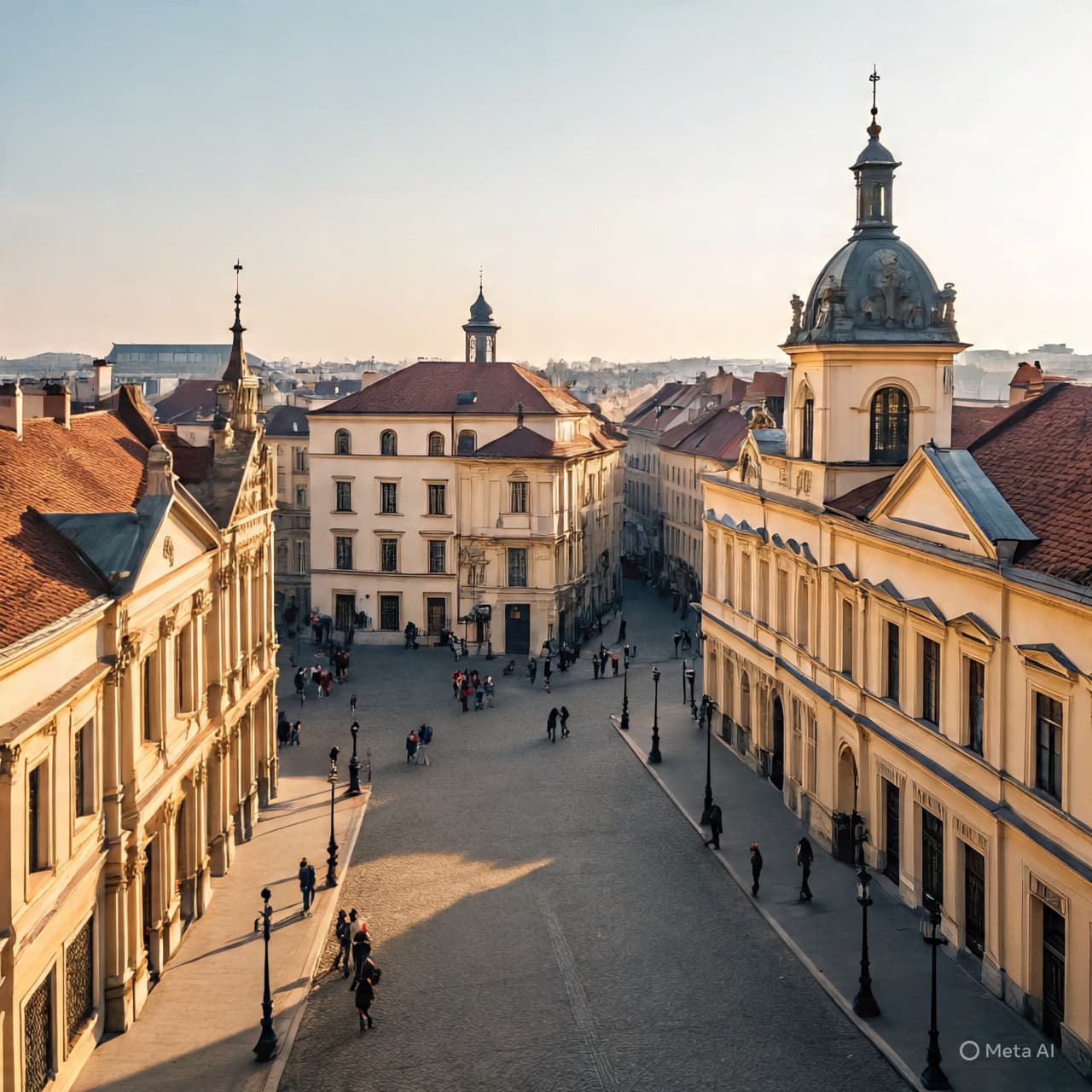
Key Highlights
- Drone strikes in Lviv have damaged UNESCO heritage sites, including the Bernardine monastery.
- Dozens of residents were injured during the attacks, prompting emergency responses.
- Local artists and volunteers are mobilizing to restore damaged cultural landmarks.
The city of Lviv, known for its rich history and stunning architecture, recently experienced a tragic event that has left its residents in shock. On a clear Tuesday afternoon, drones flew over the historic center, launching attacks that resulted in significant damage to several buildings within the UNESCO World Heritage site. Among the affected structures is the 17th-century Bernardine monastery, a cornerstone of Lviv's cultural identity. The strikes not only caused physical harm to the buildings but also injured dozens of residents, disrupting the once vibrant atmosphere of the city.
In the aftermath of the drone strikes, Lviv's streets, usually filled with the sounds of laughter and commerce, fell silent. Emergency responders rushed to assist those injured, navigating through the chaos of shattered glass and cracked stone. The stark contrast between the city's historical beauty and the devastation left by the attacks has left many residents grappling with a sense of loss. The familiar sights of Market Square and St. George’s Cathedral now bear the scars of violence, prompting a collective reflection on the fragility of cultural heritage in times of conflict.
Lviv's UNESCO-listed historic center is not just a collection of buildings; it represents the enduring spirit of a city that has stood at the crossroads of Eastern and Western influences for centuries. The cobblestones and courtyards are imbued with stories of countless generations, making the recent attacks all the more poignant. Local artists, who have long drawn inspiration from the city's rich tapestry, are now faced with the challenge of preserving their heritage amid uncertainty. Many have expressed their shock at the rapid shift from preservation to urgent repair, as they gather to restore what has been lost.
In response to the attacks, UNESCO has voiced its deep concern over the targeting of cultural treasures. The organization emphasizes the importance of safeguarding such sites, which are vital not only to local communities but also to the broader narrative of European art and architecture. Experts in heritage conservation are engaging in discussions about restoration priorities and the significance of these historic walls, which serve as a testament to resilience and hope in the face of adversity.
As the sun sets over Lviv, the city begins to reclaim its rhythm. Children play near fountains that once echoed with laughter, and the aroma of dinner wafts through the air. Yet, beneath this return to normalcy lies a shared awareness of the recent trauma. The people of Lviv are not just mourning the loss of their physical heritage; they are also honoring the living pulse of their community. Each brushstroke of restoration and every whispered memory of what once was serves as a reminder of the strength and resilience that define this timeless city.
In the days to come, Lviv will continue to navigate the delicate balance between honoring its past and confronting the challenges of the present. The city's heartbeat, though momentarily interrupted, remains strong, echoing the enduring spirit of its people.
Published by Banx Network. This article is part of the Banx decentralized media programme, powered by the BXE token on the XRP Ledger.



