In the soft glow of early morning light, when dew clings gently to leaves and fern fronds seem almost to remember ancient rain, one may feel the slow, persistent passage of time. The same quiet persistence, unseen by the eye, courses through the very code of life itself. It is an archive written in patterns older than the oldest oak, a whisper of shared history preserved in the genomic threads that link the simplest algae to the broadest canopies of modern forests.
For generations, the story of plant evolution was told primarily through fossils and morphology — stone impressions of leaves, the silhouettes of long‑lost blooms. Yet beneath this visible narrative lies something even more profound: the hidden instructions that determine when, how, and where each leaf unfurls, each stem strengthens, each flower opens to the sun. Biologists once thought much of this regulation might be ephemeral, a play of chemistry too varied across species to leave a common mark. But recent research reveals a deeper continuity, one that has endured for hundreds of millions of years.
In a sweeping comparative study of hundreds of plant genomes — from algae and mosses to flowering giants — scientists have cataloged more than 2.3 million conserved non‑coding sequences. These stretches of DNA do not code for the proteins that make up plant bodies but instead act as regulatory elements, tiny “switches” that influence when and how genes are turned on and off. By tracing these sequences across 284 species representing dozens of plant families, researchers have shown that many such regulators are astonishingly ancient, predating the divergence of flowering plants from their ancestral kin by some 400 million years.
This discovery evokes a sense of deep continuity. It suggests that the blueprint for regulating life’s most essential processes was written early in the history of terrestrial plants, and has been preserved, with remarkable fidelity, across unfathomable spans of time. Just as an archeologist might uncover a stone tool that echoes the hand of a craftsman long vanished, so too do geneticists uncover sequences that speak across eras — ancient keys that still unlock life’s unfolding drama in every green leaf.
These regulatory sequences had long been elusive. Once dismissed as “junk” because they do not encode proteins, stretches of non‑coding DNA have only recently emerged from obscurity thanks to advances in computational analysis and the availability of extensive genomic data. With new tools, researchers can align genomes far more sensitively, revealing hidden patterns of conservation that earlier methods missed. The result is not merely a catalogue of sequences, but a map of the evolutionary architecture that shapes the rhythms of plant life.
What makes this discovery especially poignant is its suggestion of a common ancestral toolkit — a set of regulatory controls so fundamental that they have been preserved through mass extinctions, climatic upheavals, and the rise and fall of countless species. In essence, this research bridges the distant past with the living present, showing that the mechanisms governing gene activity are not always rewritten with each new branch of life’s tree but can persist, refined and retuned, through ages.
And yet, the work remains just beginning. As scientists make this rich dataset publicly available, they anticipate it will inform everything from evolutionary theory to practical breeding techniques, enabling more precise ways to shape crops for changing climates and emerging threats. The hints of ancient order uncovered now may become tools of renewal and resilience in a future that, in its own quiet way, mirrors the deep past.
AI Image Disclaimer
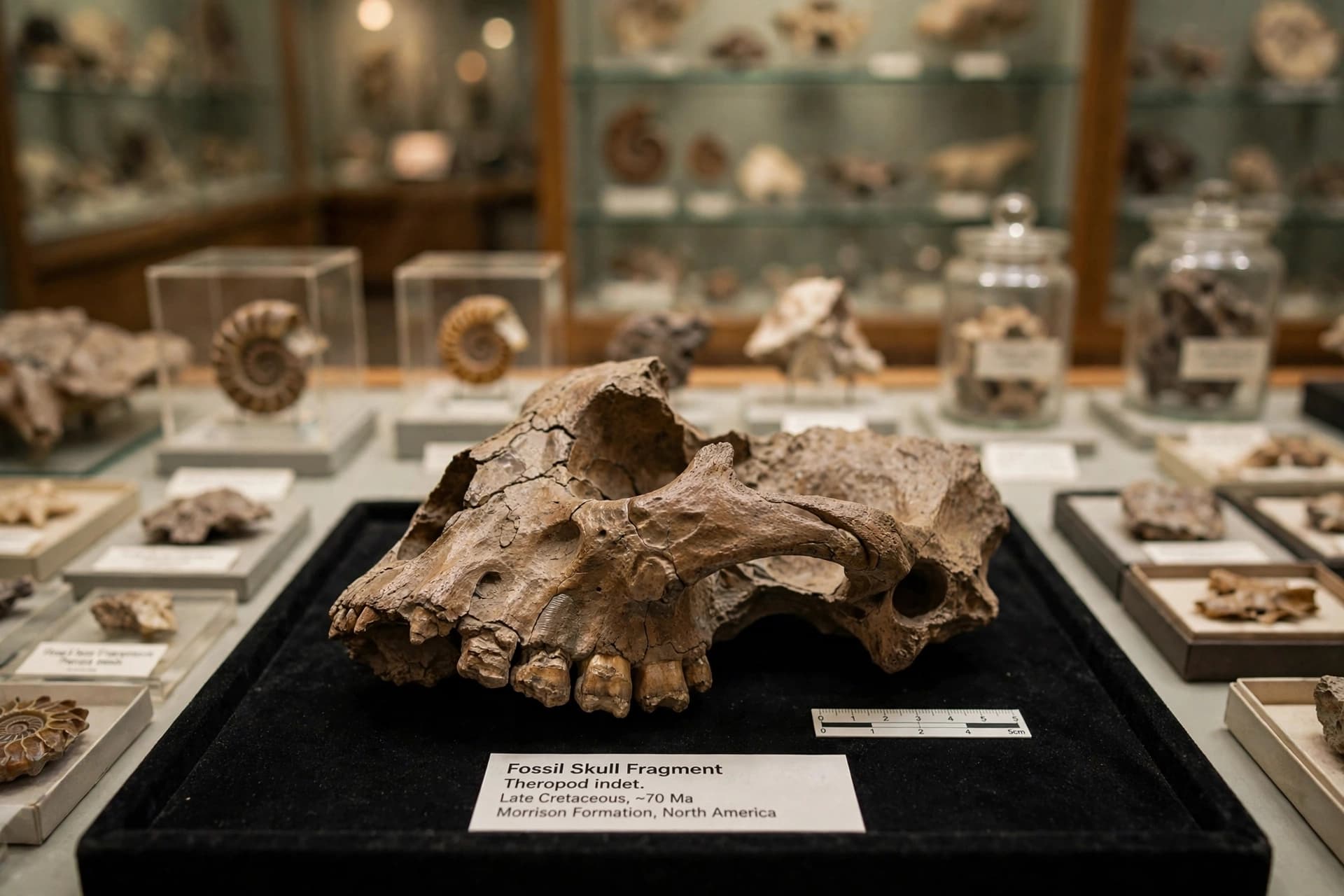
Visuals are AI‑generated and serve as conceptual representations.
Source List
Space.com (plant regulatory DNA research) — transliterated from ScienceDaily ScienceDaily (ancient plant DNA “switches”) EurekAlert! (deep evolutionary regulatory code)
Published by Banx Network. This article is part of the Banx decentralized media programme, powered by the BXE token on the XRP Ledger.