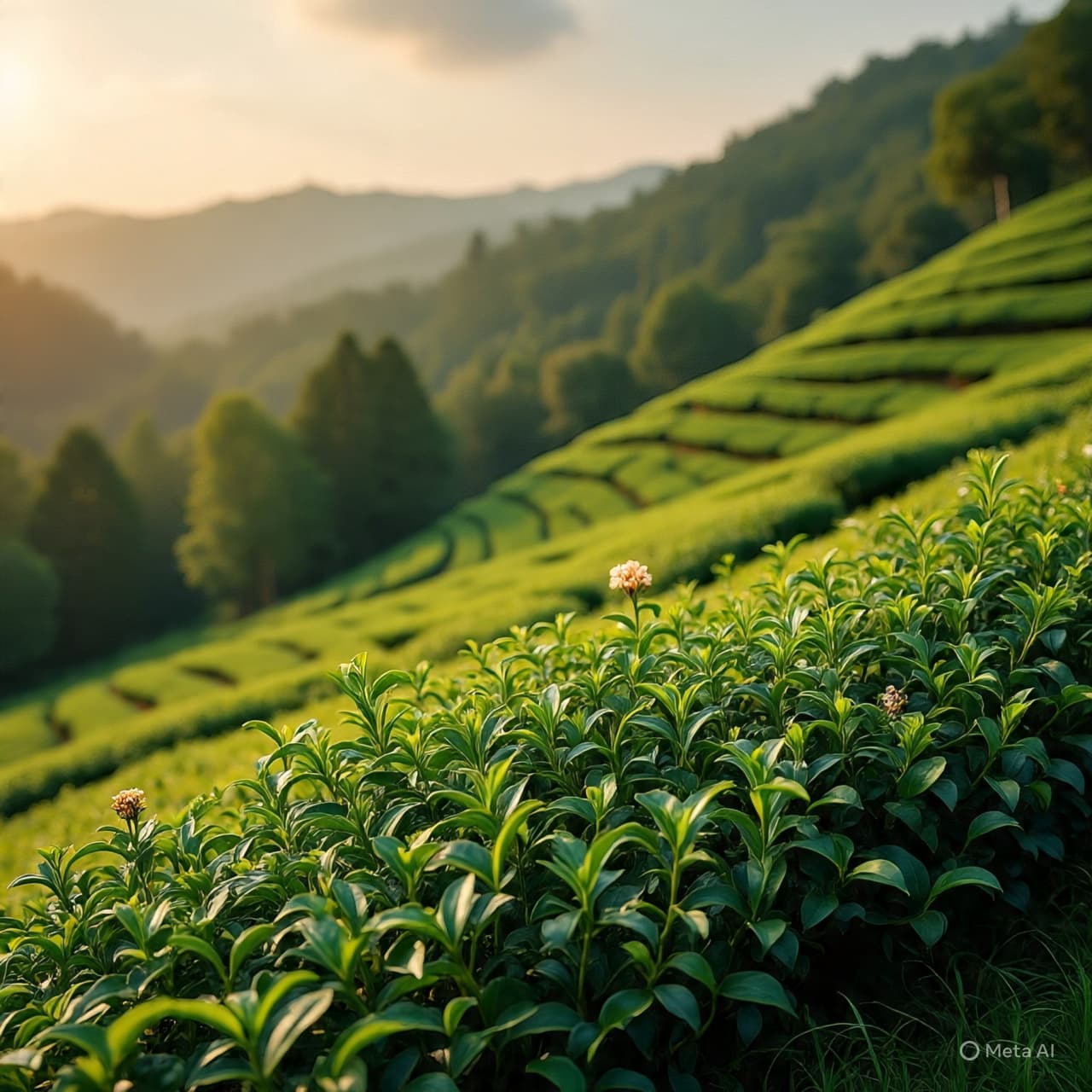
A soft breeze rustles through old tea bushes in southern China, whispering of change. What once was a fixed boundary of tea-growing warmth may soon be redrawn, like a painting stretched northward by the canvas of climate itself. Scientists are now projecting that by the end of the century, China could gain tens of thousands of square kilometers of new land suited to tea cultivation, as southern regions warm, altering the climate map.
Studies using habitat suitability models show that warming temperatures and adjusted rainfall patterns are likely to extend tea-friendly zones northward and uphill. Regions currently too cool for optimal growth may become welcoming. Meanwhile, areas in the south that now thrive may face strain from heat, sun stress, or shifts in precipitation. Altitude plays a role too: tea growers may find better prospects in higher elevations as lower elevations become less tenable. This changing landscape offers opportunity, but also risk.
One crucial risk is that many of the newly suitable lands are presently forested. Expanding tea plantations into these zones would mean cutting or converting forest, which could degrade biodiversity, reduce carbon storage, and compromise ecosystem services. Some modeling reveals that overlap between future tea-suitable zones and existing forest cover could be substantial under high-emissions scenarios. If not managed with care, this expansion could trade one form of climate burden for another.
Adaptation options include prioritizing degraded land instead of untouched forest, integrating tea into agroforestry systems, defining ecological redlines, and enforcing land-use policies that protect conservation areas. Researchers also emphasize that suitability does not equal viability: soil quality, microclimates, water availability, and economic, social, and policy dimensions will mediate whether new zones can support sustainable tea production.
In closing, while projections that China may gain large new swaths of land suitable for tea cultivation by 2090 bring hope for adapting agriculture to warming climates, they carry a caveat. The spread northward and upward in tea-friendly zones could yield wins for production — but only if forest conservation, ecological integrity, and careful planning are woven into that future.
AI Image Disclaimer: Images in this article are AI-generated illustrations, meant for concept only.
Sources: PMC (“Prediction of changes in suitable habitats for tea plants in China’s four major tea-producing regions”), Biodiversity Science, MDPI studies, related climate-tea distribution research
Published by Banx Network. This article is part of the Banx decentralized media programme, powered by the BXE token on the XRP Ledger.