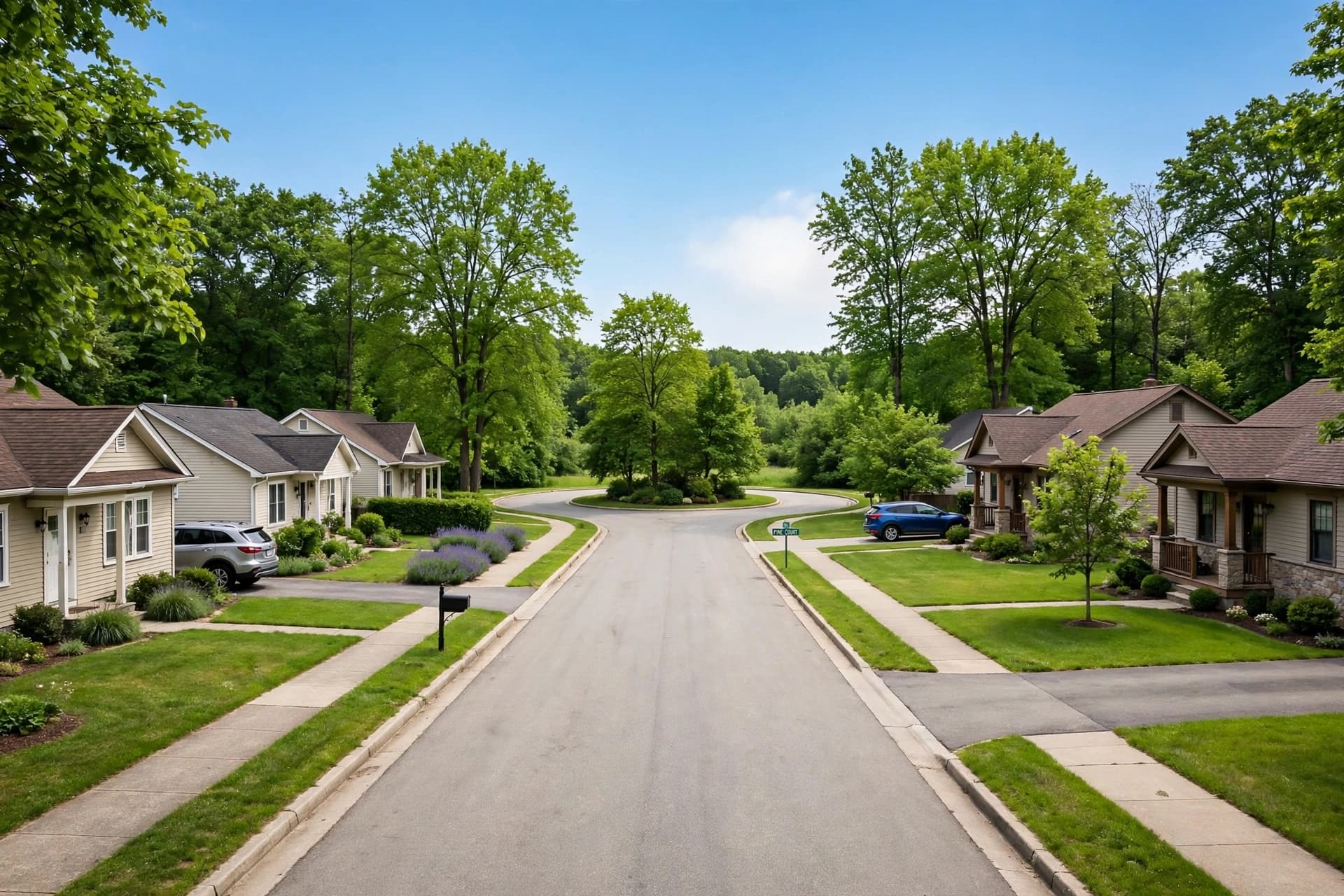
There is a soft hum in every block of a city where homes are lived in long enough to carry the echoes of everyday life. The front door clicks, laughter drifts from kitchens, and tenants find rhythms in halls that strangers often never hear. But what happens when that quiet familiarity gives way to revolving visitors, baggage wheels, and the briefer stays of tourism? In some corners of New York City, that question has shifted from abstract worry to unfolding reality.
In early February 2026, city officials took legal action against a landlord accused of turning rent-stabilized apartments — homes meant to shelter long-term residents — into what are effectively hotel rooms. According to reports, the landlord purportedly replaced regular tenants with short-term guests advertised on rental platforms, generating income in a way that local housing regulations do not permit. For neighbors and tenants who once relied on stability and community, the disruption was felt not just in the comings and goings, but in a subtle unraveling of what made those apartments feel like home.
This situation is not entirely unique. Investigations in cities like Los Angeles and Amsterdam have revealed similar tactics in which landlords use short-stay accommodations — often facilitated through digital platforms — to sidestep traditional housing rules and increase revenue. In Los Angeles, for example, rent-controlled apartments have been rented out as boutique vacation stays, raising questions about the integrity of long-term housing stocks. In Amsterdam, landlords have advertised homes as temporary hotel-style stays to avoid lease restrictions.
The practice touches a tender chord in urban life because it blends two contrasting rhythms: the steady cadence of residents rooted in their neighborhoods and the transient burst of travelers passing through. When a unit shifts from a place of nightly rest for one and daytime routines for another, the texture of the building’s life changes. For tenants, this can mean everything from lost social ties to instability in living arrangements that were once predictable.
City authorities argue that preserving rent-stabilized housing is more than a legal matter — it is about safeguarding the everyday fabric of community. Laws governing rent-stabilized units typically require longer leases and protect tenants from abrupt displacement; using them as short-term hotel rooms can run afoul of both housing protections and zoning rules.
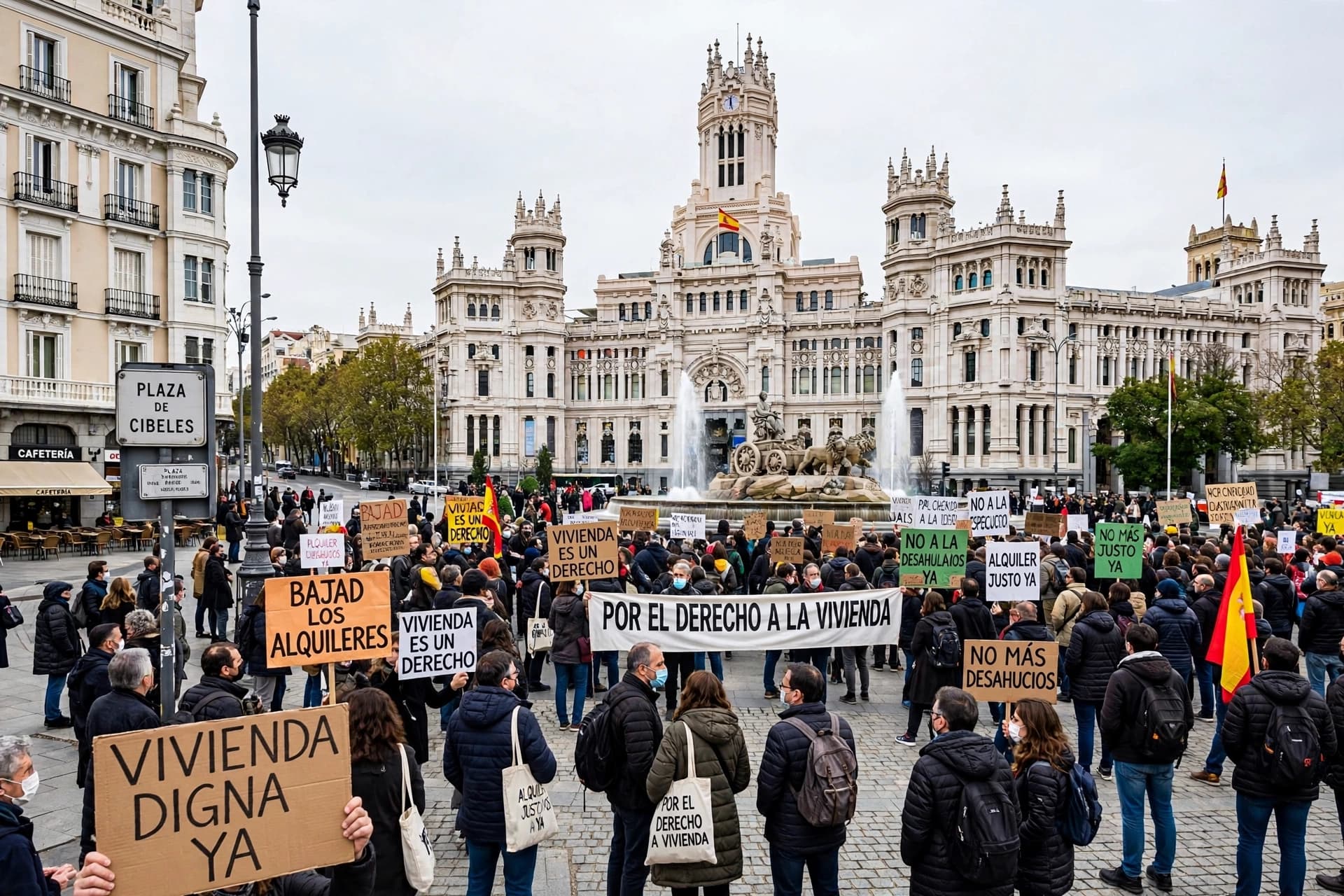
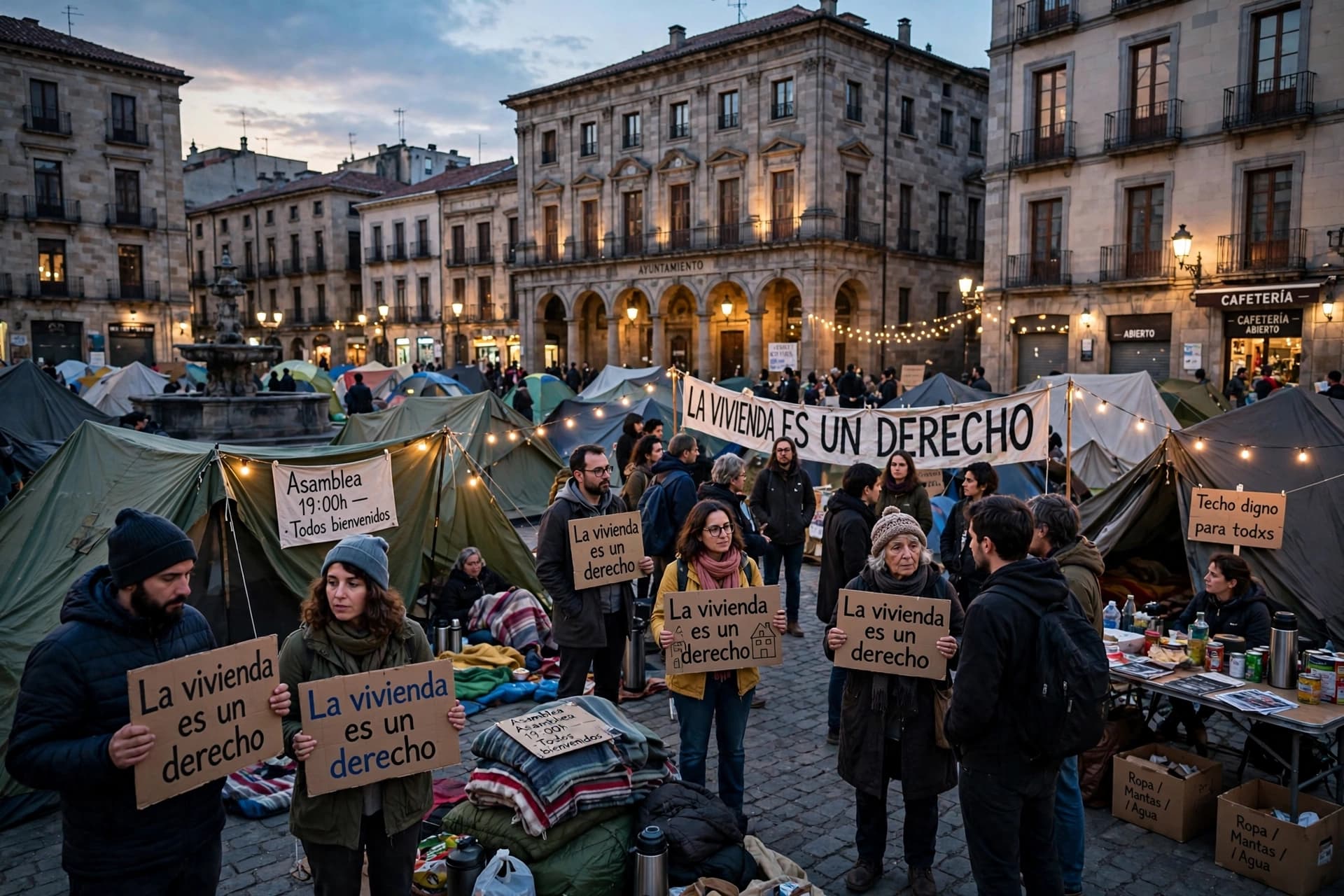
While the legal battle unfolds, the story resonates more broadly with towns and cities grappling with housing affordability and the pressures of tourism. The question remains not only what the courts will decide, but how societies choose to balance the right to shelter with the allure of short-stay economic opportunity.
AI Image Disclaimer “Visuals are created with AI tools and are not real photographs.”
Sources The New York Times ProPublica Los Angeles Times NL Times West Side Rag
Published by Banx Network. This article is part of the Banx decentralized media programme, powered by the BXE token on the XRP Ledger.