There are moments in a company’s journey that feel like a turning point — where the steady pace of familiar earnings gives way to shifts in strategy and priorities, reflecting changing realities in the broader economic landscape. For BP, the British energy giant whose name has long been synonymous with oil and gas around the globe, the latest chapter is one marked by recalibrations born of tougher times.
Over the past year, BP’s profits have softened as oil prices weakened and trading and refining margins faced pressure, leaving the company navigating a shoal of financial headwinds. Rather than simply holding course, BP’s leadership has responded with a series of cost-cutting measures that speak to the seriousness of the challenge and the desire to strengthen its financial footing. As the light softens on another cycle of energy markets, BP’s actions illustrate how even the biggest players must adapt to the rhythms of change.
In the recent annual results, BP reported a 16 % drop in underlying profits — its preferred measure of performance — to around $7.49 billion for 2025, down from nearly $8.92 billion a year earlier. The slide in earnings was accompanied by a 30 % sequential fall in fourth-quarter profit, a reflection of a period when oil prices dipped below levels seen in recent years and weighed on revenue streams.
In response, BP has stepped up cost-cutting efforts and reshaped its financial strategy. The company said it would suspend its share buyback programme, a move that surprised some investors and signaled a shift toward prioritizing balance-sheet health over near-term returns to shareholders. By pausing repurchases, BP aims to redirect cash flow to debt reduction and core operations, and to provide the upcoming leadership team with greater flexibility as it navigates an uncertain market outlook.
BP is also raising its cost-savings target for the coming years, now aiming for structural reductions of $5.5 billion to $6.5 billion by the end of 2027, up from a previous goal of around $5 billion. These savings are expected to come from a range of measures, including lower capital spending, streamlined operations, and continued divestment of non-core assets — all part of the company’s broader effort to sharpen its focus and operate with greater capital discipline.
The decision to halt buybacks and tighten costs comes as BP prepares for a leadership transition, with Meg O’Neill set to become CEO in April, inheriting both challenges and opportunities. In BP’s own terms, the moves are intended to reinforce financial resilience and position the company to weather volatility in commodity markets while maintaining investment in areas where it sees stronger returns.
Industry observers note that BP’s approach mirrors a broader trend among major energy companies, which are balancing the twin demands of shareholder expectations and prudent fiscal management in an era of fluctuating crude prices and evolving energy demand. Shell, a peer, has also reported profit declines and responded with its own portfolio adjustments, though its strategy on buybacks and dividends has diverged from BP’s more cautious stance.
For markets and investors, the shift underscores that even globally diversified energy firms are not immune to the ebbs and flows of commodity cycles and financial performance. BP’s stepped-up cost control — from pausing buybacks to tightening capital discipline and pursuing targeted savings — reflects a company intent on adapting with deliberation and care as it seeks to balance present pressures with future potential.
In straight news terms, BP has announced a significant increase in cost-cutting efforts, including suspending share buybacks and raising its structural cost savings target, alongside reporting a decline in annual profits driven by weaker oil prices and a challenging market environment. The company is directing excess cash flows toward debt reduction and operational priorities as part of its financial recalibration.
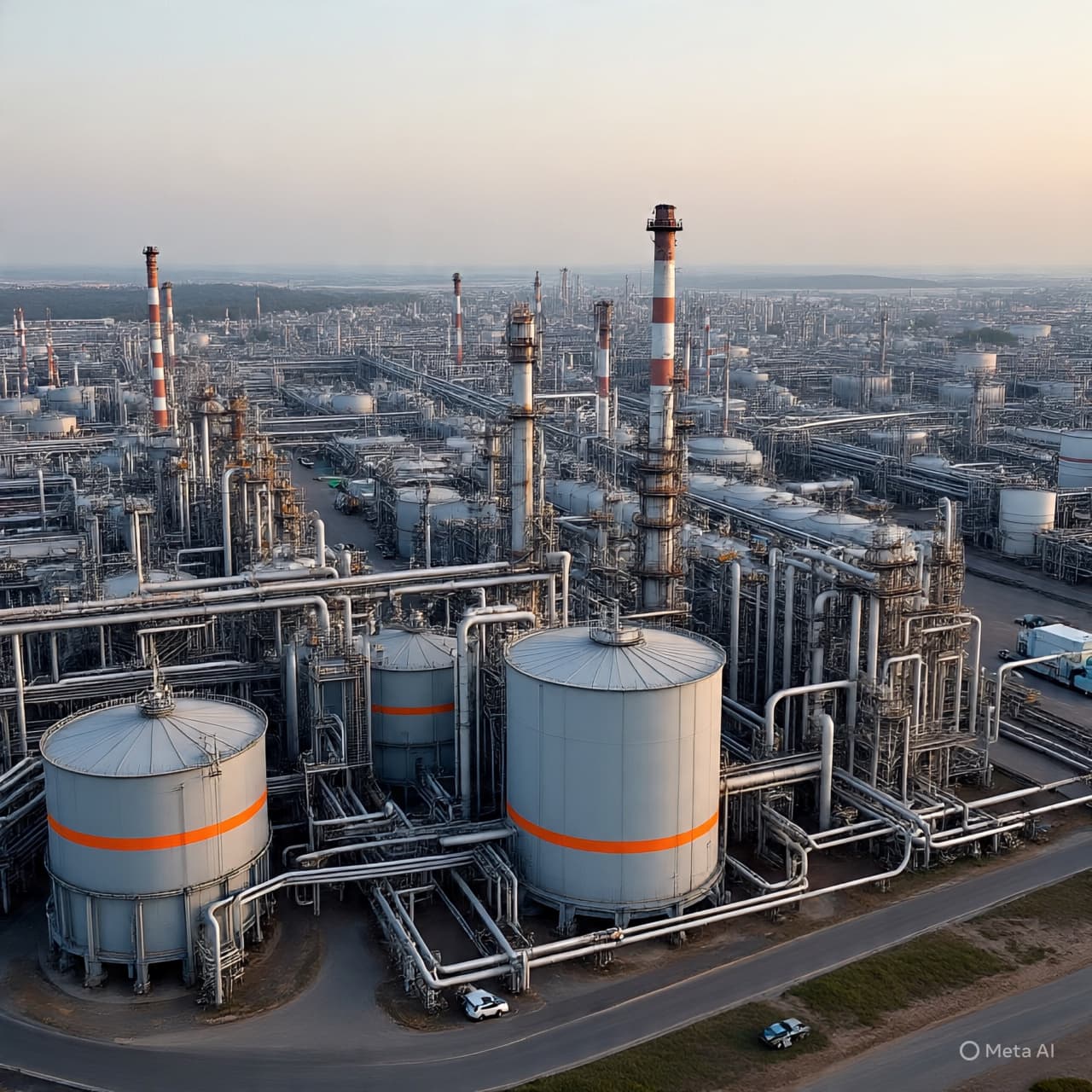
AI IMAGE DISCLAIMER Visuals are created with AI tools and are not real photographs.
SOURCES Reuters Associated Press Bloomberg Financial Times Sky News
Published by Banx Network. This article is part of the Banx decentralized media programme, powered by the BXE token on the XRP Ledger.