At twilight, when the sky softens into lavender and the distant horizon blurs between sea and land, the steady hum of engines and the low drift of smoke become part of the dusk chorus across the Middle East. In cities and towns, the day’s last light pours through narrow alleys and wide boulevards alike, tracing patterns on walls that bear the quiet weight of a long‑running conflict. Here, life continues — children play near fountains, elders sit in shaded courtyards — yet every turn of the sun seems to echo with the distant thrum of flights overhead and the tense anticipation of what comes next.
In recent days, that hum has taken on a new cadence. As the months‑long war between Israel, the United States, and Iran presses on, military strategies have shifted subtly but perceptibly. With many principal military targets already struck, Israeli forces — sometimes in concert with U.S. support — have focused on Iran’s military‑industrial heartland, seeking to diminish not only the weapons at hand but the means by which they are made. This shift, according to military analysts, reflects a belief in parts of the Israeli leadership that, should diplomatic efforts draw near an end to hostilities, it would be wise to leave Tehran’s arms production deeply wounded before that moment arrives.
Over the past several weeks, airstrikes have returned again and again to facilities associated with missile, drone, and naval production, even revisiting sites that were hit before to deepen the structural damage. Among these, research centers and explosives manufacturing locations have been targeted, reflecting a tactical emphasis on undermining Iran’s capacity to field future threats.
There is something deliberate about the way these strikes unfold, like a craftsman returning to a familiar workbench at dusk, examining each piece for strength and vulnerability. In the sprawling desert plains outside Isfahan, where some of these facilities lie, the wind often carries the same tones — shifting sands, distant traffic, the subdued calls of goats grazing beyond fenced compounds. But now that landscape bears the faint scars of smoke trails and the deep, steady beat of distant detonations.
Despite the reported intensity of these strikes, Iran’s capacity to retaliate has not entirely diminished. Experts note that even as missile launch capabilities are said to be degraded, enough ordnance remains to keep regional tensions high and to ensure that the conflict’s echoes reach cities from the Gulf to the Mediterranean. In Israel itself, communities near key facilities have felt the reverberations of Iranian missile strikes, reminding those who watch the horizon that the strategic landscape remains neither static nor certain.
At the same time, the wider shadow of this conflict — and responses like the focused campaign against arms production — have stirred conversations about a broader arms race in unmanned systems, with lethal drones emerging as one of the war’s defining instruments. Observers point out that these technologies are now central to both offensive and defensive operations across the region, and their proliferation could shape future conflicts even after the present one recedes.
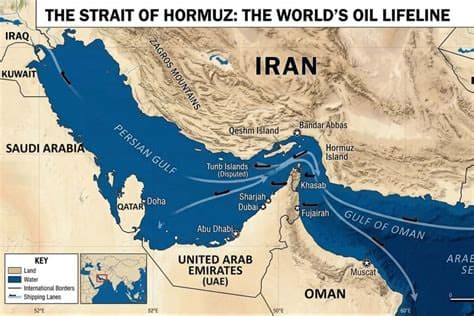
In this liminal space between day and night, the rhythms of daily life continue alongside the cadence of strategy and retaliation. Fishermen cast nets into the harbor outside Bandar Abbas, unaware of the plans being discussed in distant command centers; a baker kneads dough as dusk deepens to night, guided by instincts refined over generations. Their worlds coexist with maps and military assessments that speak in terms of capacity, infrastructure, and endgames.
As policymakers and commanders weigh their next moves — and as global diplomats talk quietly in corridors far from these landscapes — the deeper question hums beneath it all: what remains when the last strike has fallen and the tide of war finally ebbs? Perhaps that answer, like the glow of sunrise over a weary city, will come slowly, carried on currents of time and reflection.
AI image disclaimer Illustrations were created using AI tools and are not real photographs.
Sources Wall Street Journal, Al Jazeera, PBS Newshour, The Bulletin, Times of Israel.
Published by Banx Network. This article is part of the Banx decentralized media programme, powered by the BXE token on the XRP Ledger.