
Key Highlights
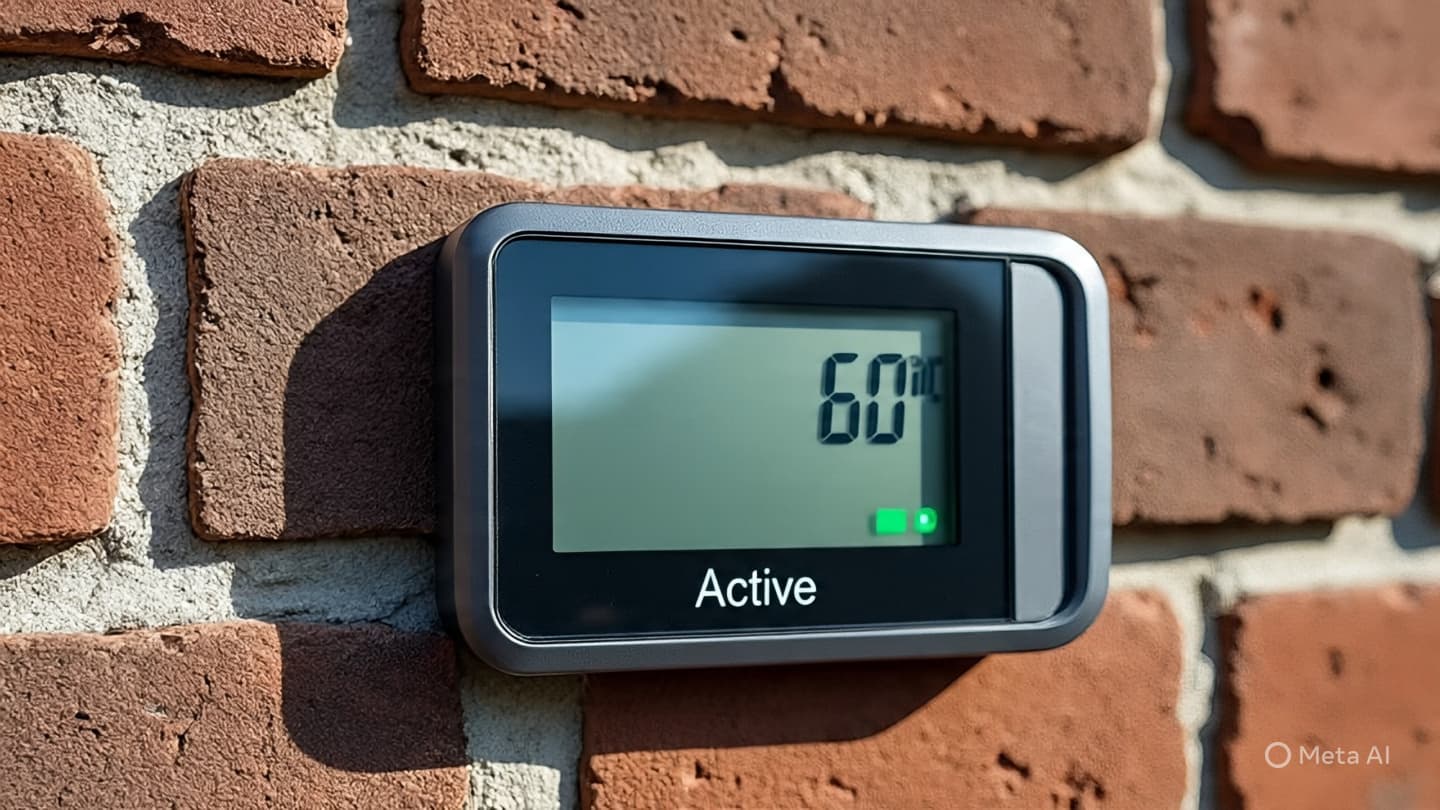
- Over 60% of Serbia's national distribution network is now automated.
- 450,000 smart meters installed, reducing grid losses by 15%.
- Enhanced monitoring allows for record levels of solar energy integration.
In the industrial heartlands of Serbia, a transformative initiative is underway, marking a significant shift in the nation’s energy landscape. The 'Smart Grid Serbia' initiative, which gained momentum in April 2026, represents a departure from traditional mechanical distribution systems to a sophisticated, digital framework designed to enhance the reliability and efficiency of electricity delivery. This modernization aims to create a responsive and intelligent network that adapts to the dynamic demands of both urban and rural areas.
At the core of this initiative is the concept of a 'Self-Healing Grid.' By integrating thousands of automated sensors and remote-controlled switches, the Serbian energy infrastructure is evolving into a system capable of detecting and addressing outages autonomously. This advancement not only minimizes downtime but also democratizes access to reliable energy, ensuring that both industries and households benefit from a robust power supply. The engineers and technicians at Elektroprivreda Srbije (EPS) are at the forefront of this transition, meticulously replacing outdated manual systems with cutting-edge technology that enhances operational efficiency.
The modernization process is characterized by a deliberate and methodical approach, with EPS focusing on the installation of fiber optics and smart meters. This gradual integration allows the grid to become increasingly intelligent, adapting to the changing energy landscape. The shift from heavy, physical energy management to a system driven by data and algorithms signifies a new era in Serbia’s energy sector. The 'Active Distribution' status enables the grid to accommodate renewable energy sources, such as wind and solar, balancing them in real-time against traditional coal outputs. This capability not only optimizes energy usage but also aligns Serbia’s energy practices with European Union standards.
The impact of these advancements is palpable within the Serbian business community, which is experiencing newfound confidence in the stability and reliability of energy supply. The 'Grid Stability 2026' benchmarks reflect a commitment to innovation while honoring the country’s historical energy resources. The integration of modern technology with traditional energy sources exemplifies a philosophy of stewardship, ensuring that the infrastructure remains resilient and effective.
As the sun sets over the historic Kalemegdan fortress, the ongoing work of the digital frontier continues to unfold. The smart grid initiative stands as a testament to Serbia's commitment to a sustainable and interconnected future. With over 60% of the national distribution network now automated, EPS has successfully installed 450,000 smart meters across major urban centers, resulting in a 15% reduction in technical grid losses. This progress has enabled the grid to absorb unprecedented levels of private solar energy, marking a pivotal moment in Serbia’s energy strategy.
The journey from an analog to an automated energy system is not merely a technical upgrade; it represents a fundamental shift in how Serbia approaches energy management. As the nation embraces this new paradigm, the promise of a more sustainable and efficient energy future becomes increasingly tangible, positioning Serbia as a leader in the regional energy landscape.
Published by Banx Network. This article is part of the Banx decentralized media programme, powered by the BXE token on the XRP Ledger.



