
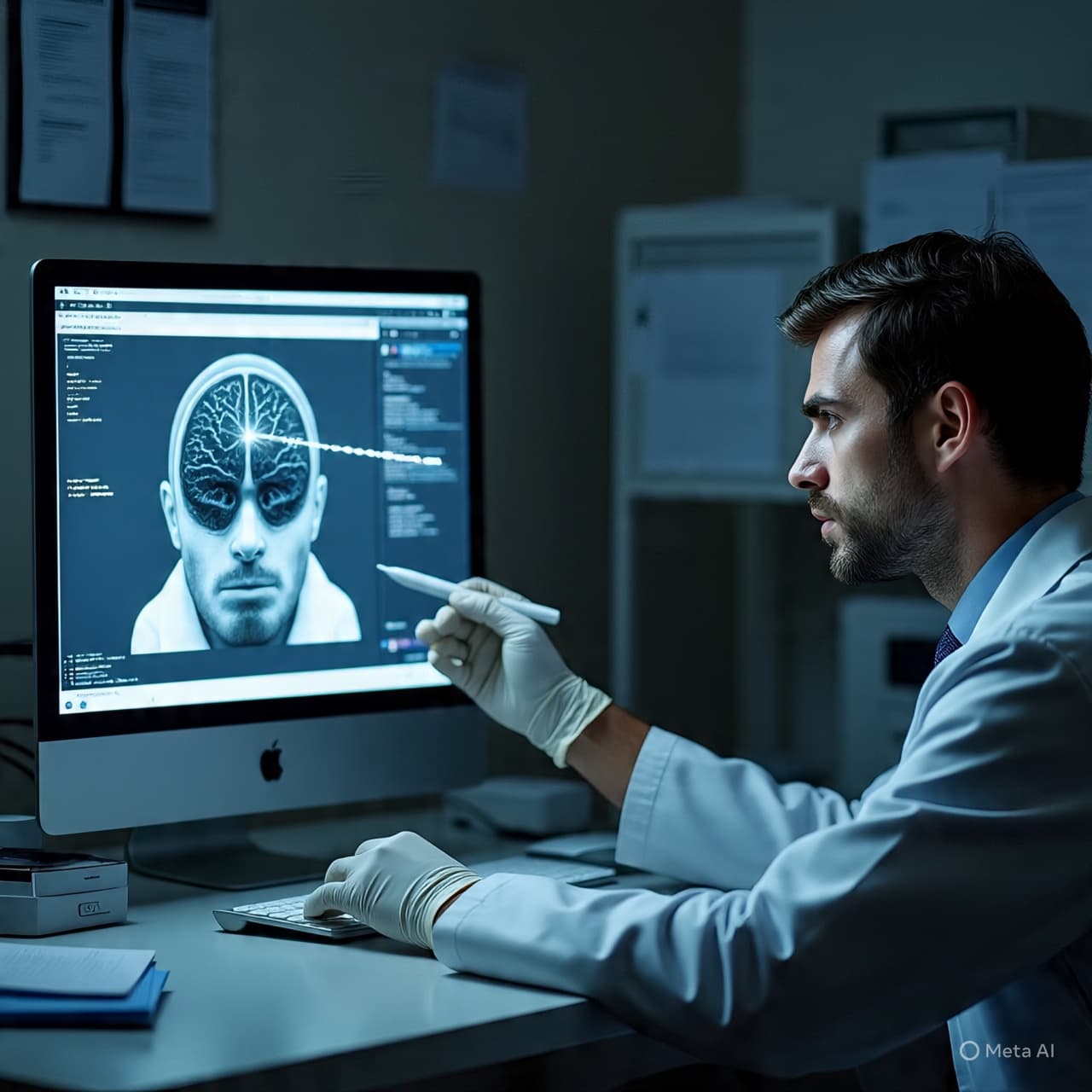
In the intricate landscape of neurological disease, multiple sclerosis (MS) has long been charted by patterns of symptoms — relapses here, progression there — rather than by the biology beneath the surface. But in a discovery researchers are calling “exciting”, scientists have now identified two previously unknown biological subtypes of MS, using a combination of artificial intelligence, blood biomarkers, and advanced brain imaging.
MS affects the brain and spinal cord when the protective covering of nerve fibers becomes damaged, leading to a wide range of symptoms such as problems with movement, sensation, and balance. Traditionally, clinicians classify MS based on observable symptom patterns, yet this approach can mask the diverse biological processes occurring in different individuals. In an effort to look deeper into the disease’s biology, researchers from University College London and Queen Square Analytics examined data from hundreds of MS patients, combining MRI scans with levels of a protein in the blood called serum neurofilament light chain (sNfL) — a marker of nerve cell damage.
The team used an AI model called SuStaIn (Subtype and Stage Inference) to sift through the complex dataset and unveil patterns invisible to conventional analysis. What emerged were two distinct biological trajectories of MS that may explain why some people progress differently or respond differently to treatment. The first, termed “early sNfL”, shows high levels of the nerve‑damage protein early in the disease alongside rapid development of brain lesions, pointing to a more aggressive and active disease course. The second subtype, dubbed “late sNfL”, exhibits structural brain changes first — such as shrinkage in specific grey matter regions — with protein increases happening later, suggesting a slower, more insidious progression.
Researchers believe this refinement in understanding could be a watershed moment in MS care. Rather than relying solely on clinical symptoms, doctors may soon use biological signatures to guide treatment decisions, identifying who may benefit from more aggressive therapies early on and who might require different strategies. The hope is that this precision approach will improve outcomes and quality of life for people living with MS worldwide.
Experts describe the breakthrough as an important step toward personalized medicine in neurology, where each person’s disease is seen not as a single label but as a constellation of biological features. While more research and clinical validation lie ahead, the finding opens the door to tailored treatments and earlier interventions that could one day slow or even halt the course of this complex disease.
AI Image Disclaimer “Visuals are created with AI tools and are not real photographs.”
Sources The Guardian — Two new subtypes of MS found in ‘exciting’ breakthrough inkl — Breakthrough MS study identifies two new types The Independent — Breakthrough MS study identifies two new types
Published by Banx Network. This article is part of the Banx decentralized media programme, powered by the BXE token on the XRP Ledger.

.jpg&w=3840&q=75 "Blake Lively Awarded $400,000 in Legal Fees After Justin Baldoni Lawsuit Dismissed")
