In the gentle expanse of the American financial landscape, where companies rise and recede like tides kissed by the evening sun, the notion of a “forever stock” carries a poetic resonance. What does it mean, after all, for a business to be held through the years, through cycles of boom and bust, through changes in technology and taste? This question took on renewed poignancy in early 2026, when Greg Abel, newly at the helm of Berkshire Hathaway, shared his vision of corporate endurance — and whispered, in his own measured way, about the things that might not last forever.
For decades, Warren Buffett’s name has been synonymous with long-term investing, his storied letters weaving philosophy with numbers and couching financial decisions in timeless wisdom. Now, as Abel steps from the wings into the spotlight, he carries that mantle forward — emphasizing both continuity and clarity in how Berkshire views its equity portfolio. In his first annual letter to shareholders, Abel appeared to draw not just lines on a balance sheet, but a kind of map for the future — identifying four companies that Berkshire believes have the quality to compound returns across decades.
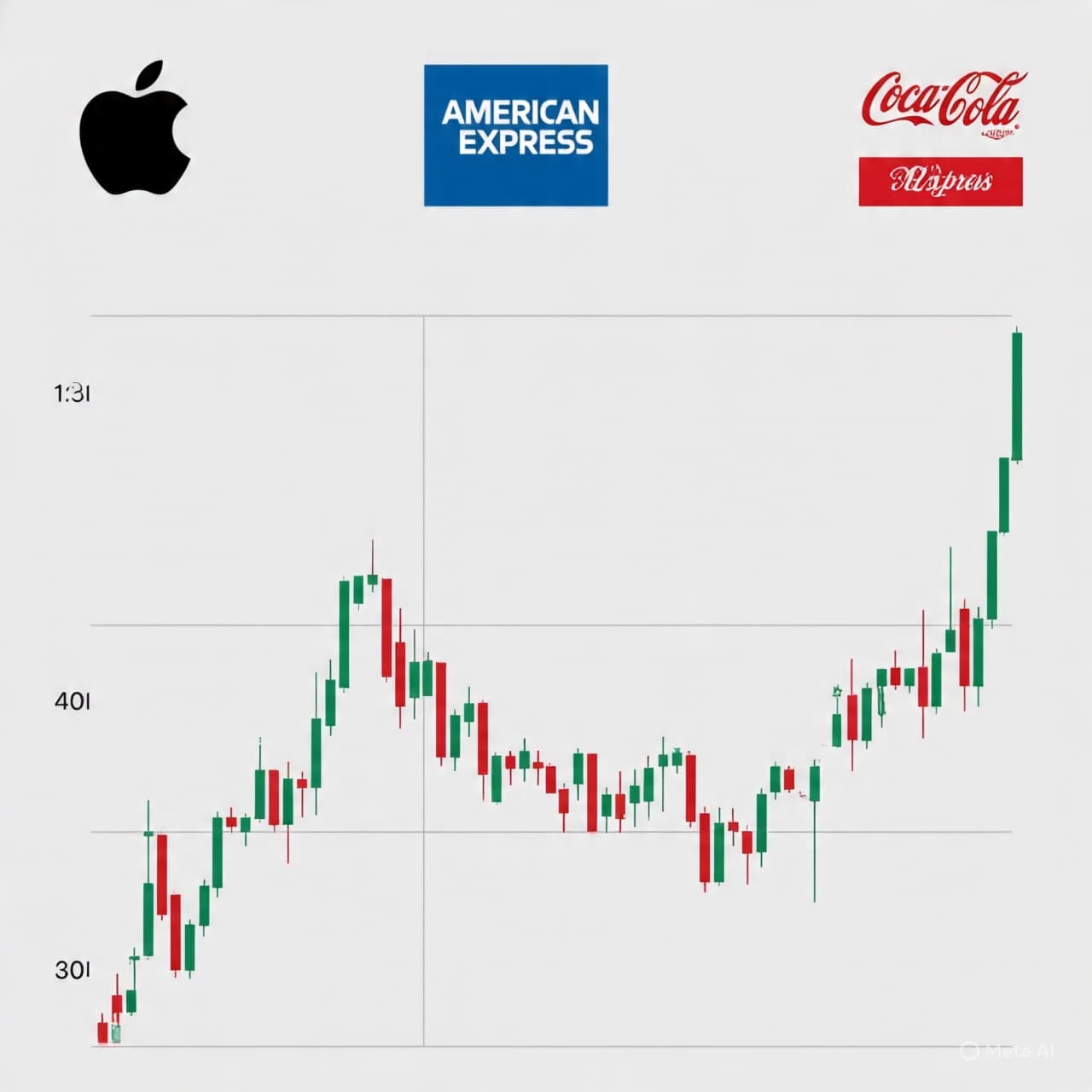
These four holdings — Apple, American Express, Coca-Cola, and Moody’s — are not mere tickers on a ledger. They are businesses whose leadership, competitive positions, and ability to generate steady cash flows have inspired confidence that they will endure and evolve through shifting economic seasons. Apple, deeply woven into daily life through its products and services, is seen as a long-range compounder of value. American Express’s network of cardholders and merchants is similarly entrenched, offering a kind of economic gravity that resists easy disruption. Coca-Cola’s global brand and beverage empire has flowed through generations, and Moody’s, with its niche at the heart of credit markets, remains a trusted gatekeeper of financial health.
This quartet, in Abel’s telling, is less about price movements and more about durability — a quality that defies the short-term clamor of headlines and market swings. Abel’s language in the letter was reflective rather than strident, and his focus on enduring economic moats — a term investors use for advantages that persist over time — suggests a confidence rooted in both history and careful judgment.
Yet, for all the warmth of long-term conviction, Berkshire’s roster also reminds us of impermanence. Two of its largest stakes — Bank of America and Chevron — were noticeably absent from Abel’s list of forever holdings. In recent quarters, Berkshire has pared back its exposure to both, a gentle affirmation that not all assets fit the same long-term mold. Bank of America represents the cyclicality inherent in financial institutions, where credit trends and interest rates can reshape returns; Chevron, anchored in energy markets, faces a world increasingly attentive to the transition toward cleaner sources of power.
This distinction is not delivered with harsh judgment, but with a calm trader’s recognition that some chapters of a portfolio are stories of rotation, not permanence. In the same way that a gardener prunes to allow stronger branches to flourish, Berkshire’s adjustments hint at a philosophy that respects both growth and adaptability.
As Berkshire Hathaway continues its journey under Greg Abel’s leadership — with a fortress-like balance sheet and a disciplined approach to capital deployment — the conversation about what gets held “forever” and what does not becomes a nuanced reflection on time horizons, risk, and the values that underpin stewardship of capital. The company’s decisions, broadcast through letters and financial results, offer an invitation for investors to reflect not just on returns, but on purpose.
In the end, this tale of stocks, giants, and generational thinking is a quiet reminder that in the midst of markets driven by emotion and instantaneous news cycles, there remains room for the gentle art of long-term commitment — and the humility to know when to let go. This measured perspective is today’s corporate story, carried forward not by loud pronouncements, but by thoughtful stewardship and steady resolve.
AI Image Disclaimer:
“Visuals are created with AI tools and are not real photographs.”
Source Check — Credible Mainstream / Niche Media (5)
Barron’s (business & markets) — reported the list of “forever stocks” under the new Berkshire CEO.
Reuters (global business) — provided broader context around Greg Abel’s first shareholder letter and investment philosophy.
AP News (mainstream news) — reported Abel’s reassurance to investors on strategy continuity.
The Motley Fool (investment analysis) — detailed why certain holdings might remain long-term.
TheStreet (market & investing) — listed current top holdings showing which positions might not fit the “forever” narrative.
Published by Banx Network. This article is part of the Banx decentralized media programme, powered by the BXE token on the XRP Ledger.