Key Highlights
- Disbanding of the Strategic Response Group: NYC Mayor Zohran Mamdani announced the disbanding of the 500-officer unit, which was created in 2015.
- New approach to protest policing:Responsibilities will be transferred to a civilian-led division, emphasizing de-escalation.
- Reforms in crowd management tactics:New restrictions on police tactics during protests aim to protect First Amendment rights.
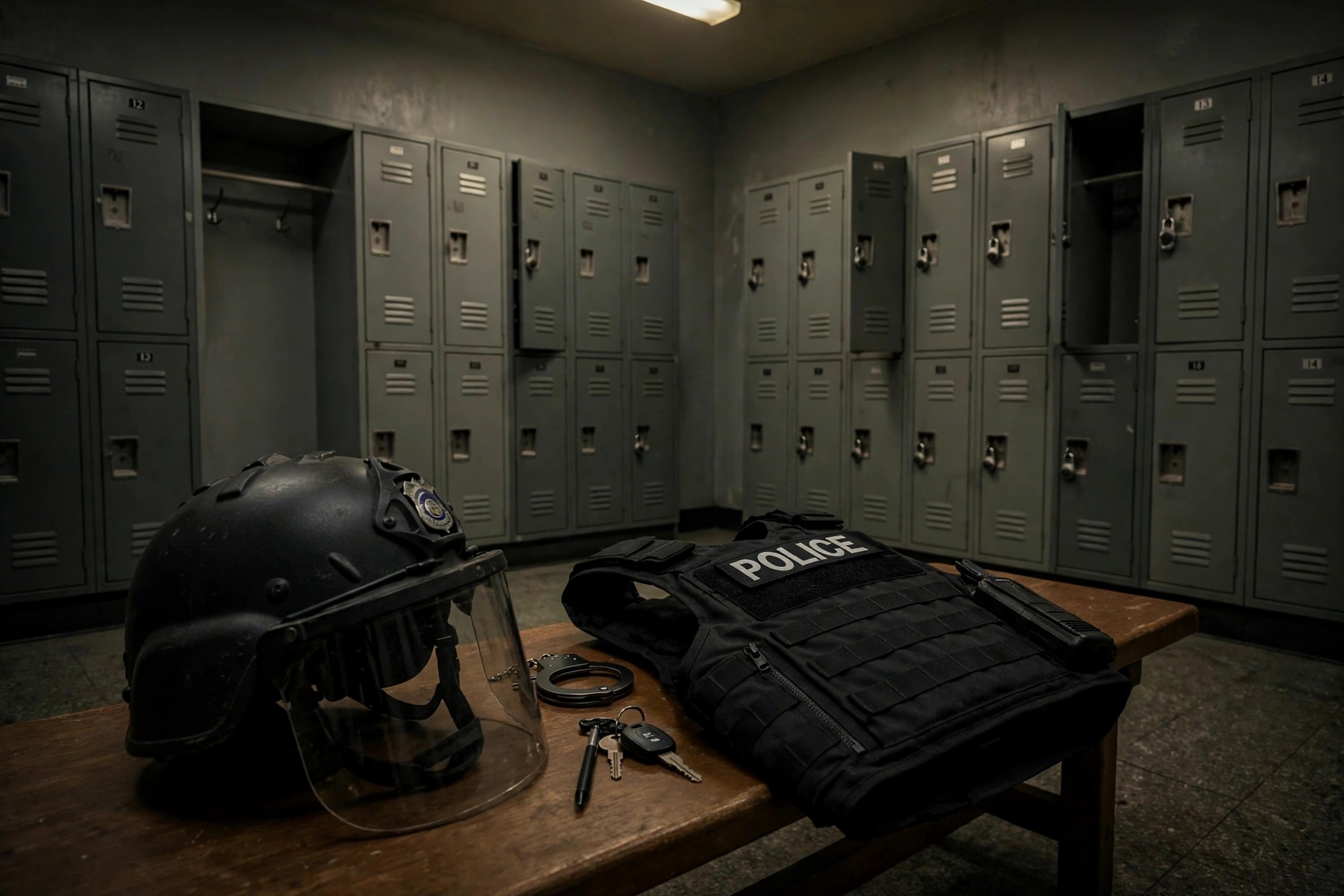
[Background on the Strategic Response Group] The Strategic Response Group (SRG) was established in 2015 in response to heightened concerns about terrorism. However, over the years, it became synonymous with a militarized police presence at protests, particularly during movements like Black Lives Matter and pro-Palestinian demonstrations. Critics argued that the SRG's tactics often blurred the lines between maintaining public safety and suppressing political expression. An investigation by New York City's Department of Investigation revealed that the SRG had engaged in excessive force, leading to numerous lawsuits and settlements that highlighted its controversial role in policing dissent.
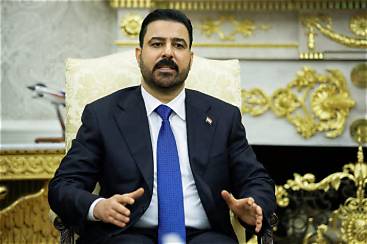
[Mayor Mamdani's Announcement] On Monday, Mayor Zohran Mamdani, flanked by NYPD Commissioner Jessica Tisch, announced the disbanding of the SRG. Mamdani emphasized the need to separate counterterrorism efforts from protest policing, stating, "The SRG was tasked with handling both counterterrorism enforcement and protest response. But those are not the same and they should be separated." This decision reflects Mamdani's campaign promise to reform the NYPD and address community concerns about policing practices.
[New Structure for Protest Policing] Under the new framework, the NYPD's Intelligence and Counterterrorism Bureau will take over counterterrorism responsibilities, while a new Community Dialogue and De-escalation Division will handle protest responses. This division will be staffed by civilians who will not carry weapons or have arrest powers, marking a significant shift in how the city approaches public demonstrations. Additionally, a new NYPD First Amendment Support Team, consisting of thirty officers trained in de-escalation techniques, will work alongside this civilian division to ensure that protests are managed with respect for constitutional rights.
[Changes in Crowd Management Tactics] The reforms extend to specific crowd management tactics. The NYPD will no longer employ kettling, a controversial tactic that involves encircling demonstrators. Tear gas and long guns will be prohibited at protests, and pepper spray will be banned as a crowd-control measure. Acoustic devices will be limited to 90 decibels, and police bicycles will only be used as weapons in life-threatening situations. These changes signal a shift from a model of control to one that prioritizes negotiation and community engagement.
[Reactions from Activists and Officials] Activists who have long called for the abolition of the SRG welcomed the announcement as a significant victory. City Councilmember Chi Ossé, who participated in the announcement, described the changes as part of a broader reimagining of public safety. He emphasized the importance of ensuring that communities can trust that their safety and fundamental freedoms will be protected together. Commissioner Tisch, while supportive of the reforms, expressed the need to maintain the NYPD's capacity to respond to serious threats, indicating that the changes were negotiated within the department's leadership.
[Looking Ahead] Despite the disbanding of the SRG, questions remain about the future of protest policing in New York City. The new Community Dialogue and De-escalation Division is not expected to be operational until 2028, leaving a gap in the interim. The Patrol Support Division, staffed by officers trained in crowd management, will temporarily fill this role but will have limited authority to conduct arrests. The disbanding of the SRG marks a significant shift in the NYPD's approach to policing protests, but the effectiveness of these changes will depend on the implementation and oversight of the new structures.
AI Image Disclaimer: All visuals in this article were produced using AI generation and are not actual photographs of the individuals or events described.
Published by Banx Network. This article is part of the Banx decentralized media programme, powered by the BXE token on the XRP Ledger.