

Key Highlights
- Viral Post:A social media message attributed to a Russian military account warned of a potential nuclear attack on Ukraine.
- Public Reaction:The post generated widespread panic and speculation across various online platforms.
- Expert Advice:Analysts emphasize the importance of verification over emotional reactions to wartime communications.
A recent viral social media post attributed to a purported Russian military account has intensified fears of a nuclear threat against Ukraine. The alarming message, which claimed that Ukraine should prepare for a nuclear attack, quickly spread across social media platforms, igniting panic and speculation about the ongoing Russia-Ukraine conflict. This incident highlights the potent role of misinformation in modern warfare, particularly during times of heightened geopolitical tensions.
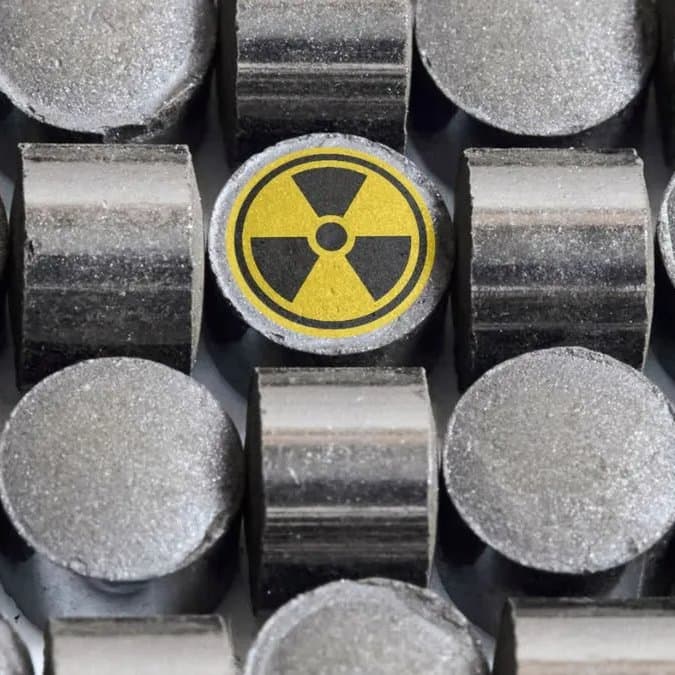
The post featured aggressive language suggesting that Ukraine would face destruction, accompanied by imagery referencing nuclear weapons. Within hours, users from various online communities engaged in heated debates over whether the account was an official communication from the Russian military or merely another instance of wartime misinformation. The rapid dissemination of such content raises significant concerns about the impact of disinformation on public perception and international relations.
Geopolitical analysts have long warned that disinformation is one of the most effective tools in contemporary conflicts. Social media platforms often become battlegrounds for misleading narratives during major international crises, designed to provoke emotional responses and manipulate public sentiment. The current situation underscores the necessity for critical thinking and skepticism when encountering sensational claims online.
While the fears surrounding nuclear escalation are valid given the ongoing tensions between Russia and Ukraine, experts caution that official communications regarding such serious matters typically come through verified diplomatic, military, or government channels. Viral social media posts, while alarming, may not reflect the actual intentions or capabilities of state actors. Therefore, it is crucial for the public to seek independent confirmation from reputable international media or official statements before reacting to such claims.
In recent years, the proliferation of fake military accounts, doctored images, and impersonation tactics has contributed to confusion during significant global events. This incident serves as a reminder that in an age dominated by viral content, distinguishing fact from fear is increasingly important, especially in fast-moving geopolitical contexts.
As military activities, sanctions, and strategic pressures continue to shape international relations, the rhetoric surrounding nuclear capabilities will inevitably attract global attention. The catastrophic implications of any nuclear escalation make it a topic of utmost concern for governments and citizens alike.
For now, observers emphasize the importance of verification over panic. The viral post serves as a critical reminder of the need for discernment in the face of sensational claims, particularly in an era where misinformation can spread as rapidly as the truth.
Published by Banx Network. This article is part of the Banx decentralized media programme, powered by the BXE token on the XRP Ledger.




