
Key Highlights
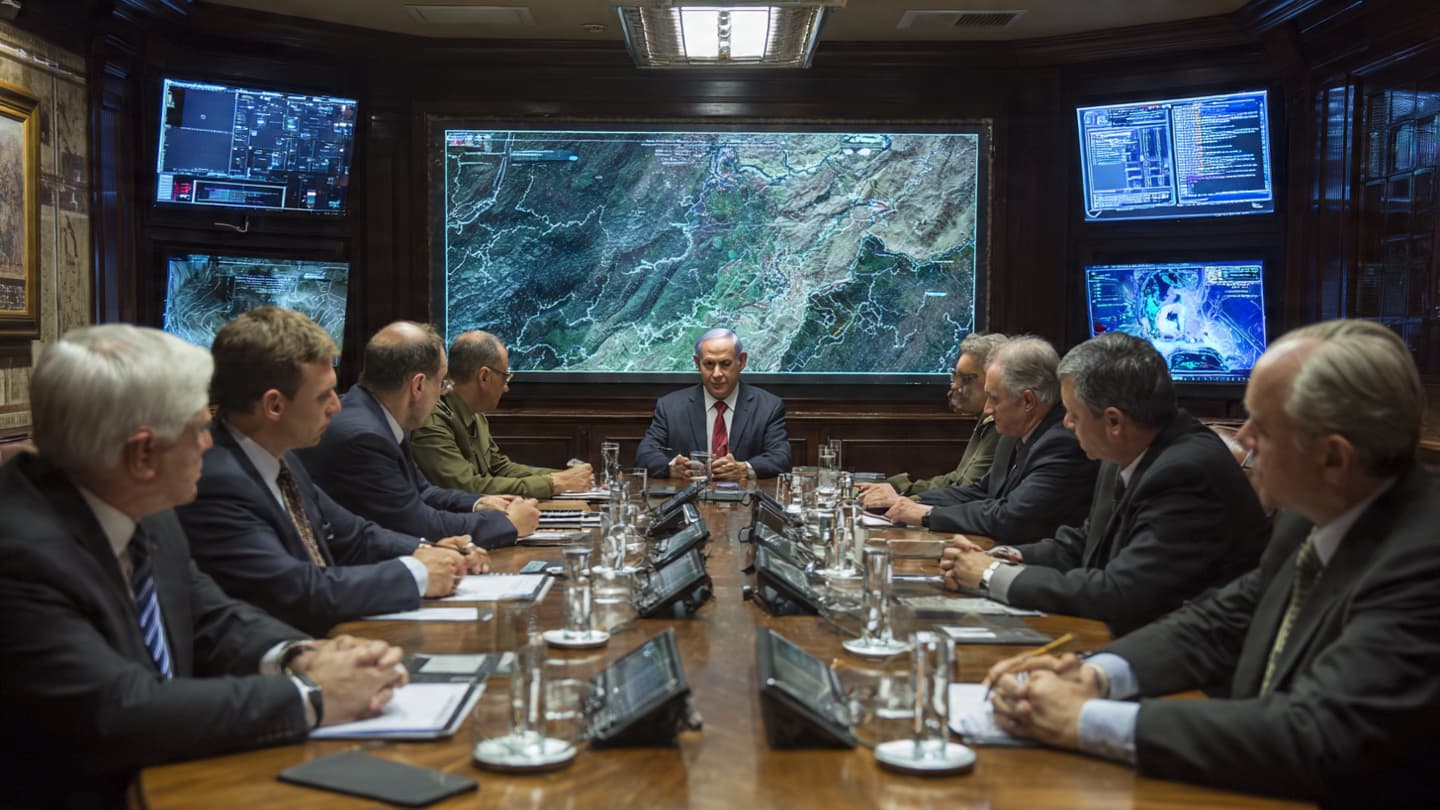
- Israeli Prime Minister Benjamin Netanyahu discusses military options against Iran's nuclear capabilities.
- Rising tensions prompt renewed diplomatic efforts among European governments.
- Concerns over environmental and civilian safety linked to potential military operations.
The geopolitical landscape of the Middle East is increasingly shaped by nuclear anxieties, particularly regarding Iran's nuclear program. Israeli Prime Minister Benjamin Netanyahu has recently opened discussions about potential military options aimed at curtailing Iran's uranium enrichment capabilities. This dialogue comes amid escalating tensions involving Israel, Iran, and the United States, highlighting the precarious nature of regional security.
Netanyahu's remarks underscore Israel's longstanding position that Iran's nuclear ambitions pose a significant threat to national security. The Israeli government has consistently prioritized preventing Iran from achieving nuclear weapons capability, viewing it as a critical strategic objective. Analysts suggest that any military operation targeting Iranian nuclear facilities would be fraught with challenges, including the complexities of distance, military defenses, and the potential for broader regional escalation.
Iranian officials maintain that their nuclear program is solely for peaceful purposes, yet this assertion is met with skepticism from Western governments and Israeli intelligence. Concerns persist regarding the levels of uranium enrichment, which could potentially facilitate the development of nuclear weapons. This dichotomy between Iran's claims and international apprehensions continues to fuel tensions in the region.
In response to the heightened risk of military confrontation, diplomatic efforts have intensified among European nations and international organizations. World leaders have called for restraint, emphasizing that a direct conflict between Israel and Iran could have destabilizing effects on the entire Middle East. The potential for military action raises significant concerns about the humanitarian and environmental implications of targeting nuclear facilities, which could lead to catastrophic consequences.
As of now, Israeli authorities have not confirmed any plans for a direct ground invasion of Iran. However, the ongoing discussions reflect the profound impact of nuclear concerns on strategic calculations in the region. The situation remains fluid, with the potential for rapid changes in response to developments in Iran's nuclear activities or shifts in international diplomatic efforts.
The implications of these discussions extend beyond immediate military considerations, as they touch upon broader themes of international diplomacy, security, and the environmental risks associated with nuclear proliferation. As the Middle East grapples with these complex issues, the interplay between military strategy and diplomatic engagement will be crucial in shaping the future of the region.
Published by Banx Network. This article is part of the Banx decentralized media programme, powered by the BXE token on the XRP Ledger.



