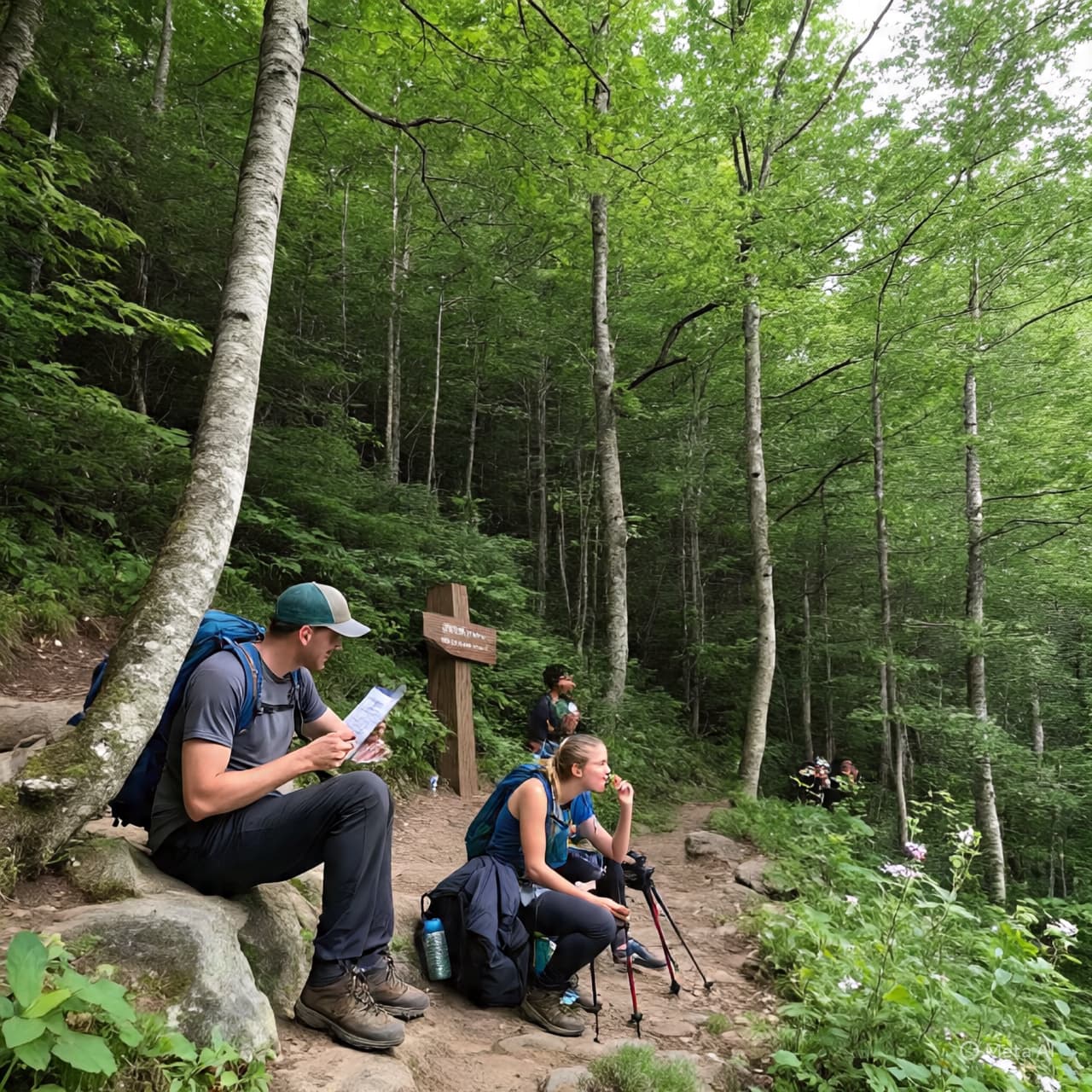
The Pacific Crest Trail often arrives in conversation like a legend — spoken of in long arcs and glowing terms, its name carrying the weight of snowfields, deserts, and personal transformation. To many, it represents endurance sharpened by beauty, a pilgrimage stitched through America’s wild spine. And yet, in quieter moments, some voices soften the myth. Among friends who have walked it, admiration sometimes comes braided with something else — a hesitation, a sigh, even the word “hate,” offered gently, almost apologetically.
What they rarely mean is the trail itself. The mountains remain majestic, the sunsets unarguable. What unsettles them lives between the miles. The PCT, long and linear, gathers people into a narrow corridor of time and expectation. For months, hikers move at similar speeds, visit the same towns, tell the same stories. What begins as camaraderie can, for some, quietly turn into repetition — a sense that individuality thins as the trail’s culture thickens.
There is also the social gravity of popularity. In recent years, the PCT has become not just a hike, but a shared performance. Trail names precede introductions, social media follows footsteps, and comparison drifts in like dust. Some hikers find the attention affirming; others feel watched in a place they hoped would be private. The wilderness remains vast, yet the experience can feel unexpectedly crowded — not always in bodies, but in expectations.
For others, discomfort settles deeper. Community surveys and personal accounts suggest that not everyone experiences the trail as equally welcoming. Women, hikers of color, LGBTQ+ hikers, and those moving at different paces often describe moments of exclusion — subtle, cumulative, and difficult to name aloud. The trail does not create these dynamics, but it can magnify them, compressing social life into long, unavoidable proximity.
Even the rhythm of the journey can weigh heavily. The PCT encourages momentum: miles logged, resupply schedules kept, seasons chased. To fall behind can feel like failure; to stop can feel like quitting. Some friends speak of exhaustion not from walking, but from the quiet pressure to keep going — when rest, reflection, or deviation might have served them better.
And yet, when they speak carefully, the word “hate” dissolves. What remains is honesty. A recognition that beauty does not guarantee belonging, that magnitude does not fit every soul the same way. Many still cherish their memories of the trail, even as they acknowledge what it asked of them emotionally, socially, and inwardly.
In the end, the Pacific Crest Trail stands unchanged — long, luminous, indifferent to opinion. What shifts is the understanding around it. Loving a place does not require loving every moment within it. Sometimes, to speak of discomfort is not rejection, but respect: an admission that even the most celebrated paths can carry different truths for those who walk them.
AI Image Disclaimer Illustrations were produced with AI and serve as conceptual depictions, not real photographs.
Sources Halfway Anywhere The Trek Pacific Crest Trail Association Hiker blogs and community surveys Thru-hiking forums and first-person accounts
Published by Banx Network. This article is part of the Banx decentralized media programme, powered by the BXE token on the XRP Ledger.