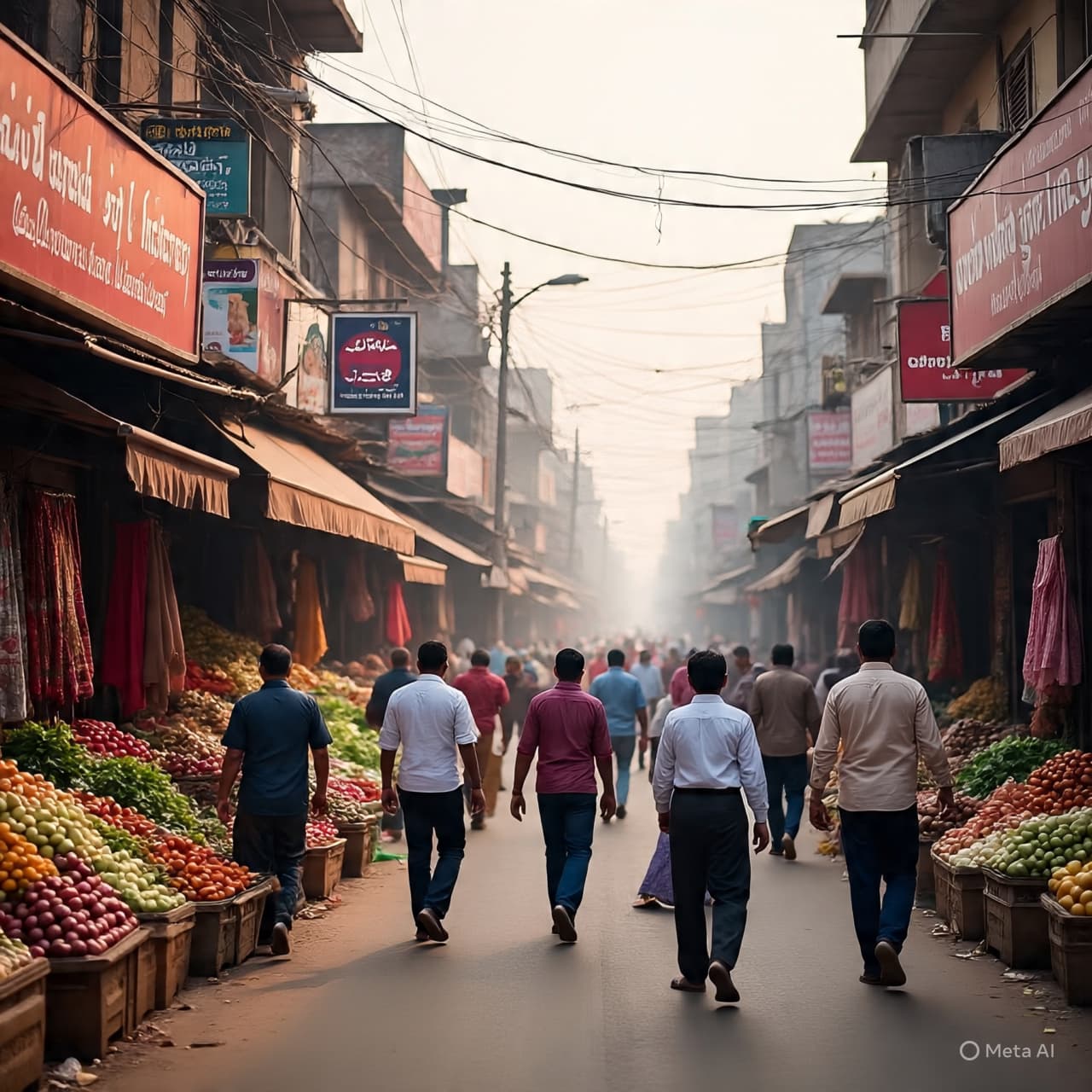
In the crowded lanes of Toli Chowki, a neighbourhood in Hyderabad, where daily life hums with the rhythms of markets, mosques and family dinners, an unexpected global event has stirred unease and anxiety. Local residents, many of whom have lived there for generations, now fear that they may be unfairly blamed or stereotyped for a distant atrocity after authorities linked a man with roots in the community to a deadly attack at a Hanukkah celebration in Australia earlier this month.
The man, identified in news reports as having grown up in Toli Chowki before moving abroad decades earlier, was named in connection with the shooting in Australia, where he and an accomplice opened fire at a festive event that left several people dead and many more injured. Although the investigation focuses on his individual actions, neighbours and community leaders in Hyderabad are worried that the association could fuel backlash, prejudice and collective blame against their entire community — much like other episodes of misplaced fear and suspicion after violent incidents abroad.
For many residents, the concern is both immediate and personal. Toli Chowki is home to a diverse mix of families and small businesses, where social bonds and everyday interactions are built on familiarity rather than politics. “We are individuals with our own lives and struggles,” said one resident, asking not to be named for safety reasons. “But now, some people may wrongly see our entire neighbourhood as connected to something terrible that happened thousands of miles away.”
This fear is not unique to Hyderabad. Around the world, there are numerous examples of local communities feeling unjustly targeted after a native or former resident becomes linked to violent events abroad. In England after an attack outside a synagogue in Manchester, for example, both Jewish and Muslim residents spoke of their apprehensions about retaliatory violence and rising divisions that had nothing to do with their own daily lives. Studies and human rights advocates have long warned that such collective blame — especially when tied to religion or ethnicity — can foster social resentment, discrimination and even violence, amplifying the suffering caused by the original incident.
In Toli Chowki, local youth and business owners have been discussing these anxieties openly. Some fear being shunned by customers, while others worry about online rumours or social media posts that conflate the actions of one individual with an entire community. A barber on the main road said he had already seen curious onlookers and overheard insensitive comments since the news broke.
Community leaders are urging calm and reminding people that individual actions do not reflect whole groups. They note that the man named in the Australian case left the neighbourhood decades ago and has had no recent known association with local institutions. Meanwhile, law enforcement and national authorities stress that investigations into the attack are ongoing, and that responsibility for criminal acts lies with the individuals involved — not their place of origin or the people living there now.
Still, the situation highlights a broader challenge in an increasingly interconnected world: how to respond to distant violence without allowing fear and assumptions to corrode the social fabric at home. In places like Toli Chowki, where families are woven tightly into the everyday rhythms of Indian life, residents hope the world — and their own neighbours — will recognise the difference between one person’s actions and a community’s identity.
AI Image Disclaimer “Visuals are created with AI tools and are not real photographs.”
Sources Reuters The New York Times via News Minimalist Human rights commentary on collective blame patterns Manchester attack community reactions Broader reporting on social tensions linked to distant violence
Published by Banx Network. This article is part of the Banx decentralized media programme, powered by the BXE token on the XRP Ledger.