
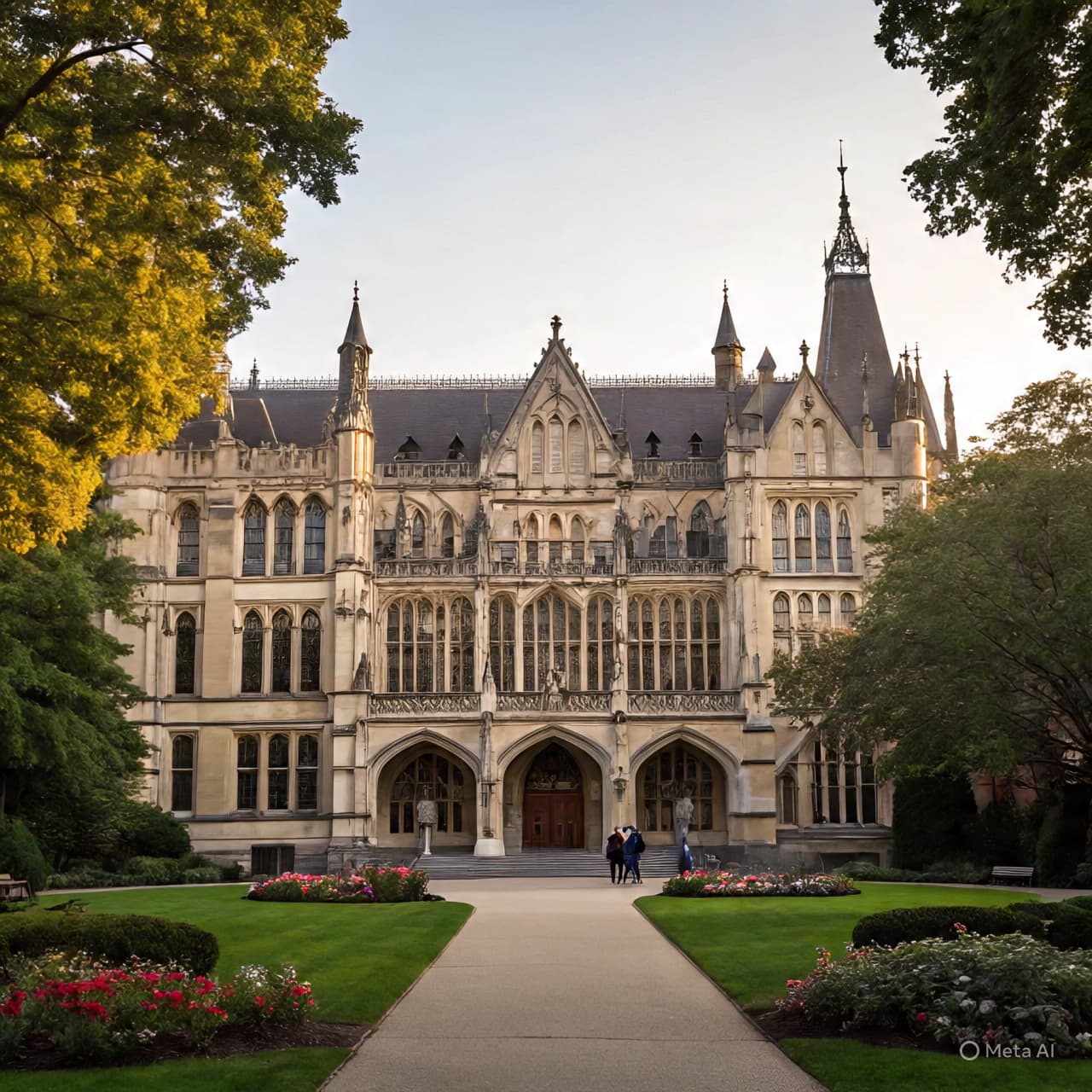
Key Highlights
- Oxford and Cambridge admissions show varied acceptance rates across disciplines.
- High-demand fields like medicine and law face fierce competition.
- Humanities subjects often have higher offer rates due to lower applicant numbers.
Understanding the admissions landscape of Oxford and Cambridge reveals a complex interplay of competition and opportunity. The term "Oxbridge" evokes images of prestigious institutions steeped in history, where the pursuit of knowledge is both a privilege and a challenge. Each year, thousands of hopeful students navigate the application process, yet the journey to these esteemed universities is not uniform. Some paths are more accessible than others, shaped by the subjects students choose to pursue.
Data from both universities indicates that certain courses attract a significantly higher number of applicants, particularly in fields such as medicine, economics, law, engineering, and computer science. These disciplines are known for their rigorous standards and competitive nature, leading to lower acceptance rates. For instance, the medical program at Oxford is notoriously selective, with thousands vying for a limited number of spots, making the admissions process particularly daunting.
Conversely, humanities disciplines often present a different picture. At Cambridge, courses like Modern and Medieval Languages and Classics tend to have higher offer rates, as they attract fewer applicants compared to the more popular fields. Similarly, Oxford's European and Middle Eastern Languages programs see a smaller pool of candidates, allowing for a greater proportion of offers to be extended. This trend does not imply that these subjects are less rigorous; rather, it highlights a quieter truth: fewer students opt for these paths, despite their intellectual demands.
Admissions tutors at both universities emphasize the importance of genuine interest in one's chosen field. They caution against selecting courses solely based on perceived statistical advantages. During interviews, candidates are assessed not just on their knowledge but also on their passion and curiosity. A student who chooses a subject without true conviction may struggle to engage meaningfully in discussions, revealing a lack of depth in their understanding.
The most successful candidates are those whose academic interests have developed organically. They are often well-read, inquisitive, and capable of articulating their thoughts clearly. Admissions teams seek potential rather than perfection, looking for students who demonstrate a willingness to engage with challenging ideas and who possess a genuine love for learning.
Ultimately, understanding the admissions landscape at Oxford and Cambridge is not about manipulating statistics to gain an advantage. It is about aligning one's abilities and interests with the opportunities available. For students who take the time to reflect on their passions, the data can serve as a guiding compass rather than a shortcut to success. An offer from Oxbridge is not merely a reward for strategic course selection; it is a recognition of a student's commitment to learning and intellectual growth.
In conclusion, the journey to Oxford and Cambridge is as much about personal discovery as it is about academic achievement. Students who embrace their interests and approach the application process with authenticity are more likely to find success in their pursuit of higher education.
Published by Banx Network. This article is part of the Banx decentralized media programme, powered by the BXE token on the XRP Ledger.



