Banx Media Platform logo
WORLDEuropeInternational OrganizationsHappening NowFeatured

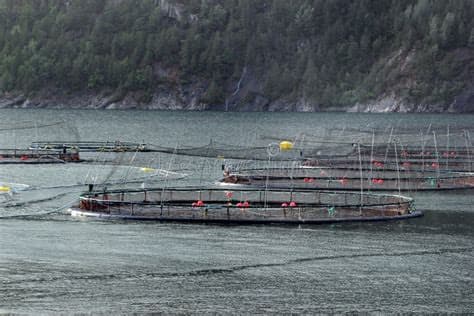
Norwegian Fish Farms Polluting Fjords with Waste Compared to ‘Raw Sewage of Millions of People’

Norwegian fish farms are under scrutiny for polluting local fjords with waste, with environmentalists claiming that the pollution levels are akin to the raw sewage of millions of people.

m

mahn kark

EXPERIENCED
5 min read
13 Views
Credibility Score: 94/100
Norwegian Fish Farms Polluting Fjords with Waste Compared to ‘Raw Sewage of Millions of People’

Fish farming in Norway is facing severe criticism as it has been revealed that waste from these farms is polluting the country's picturesque fjords. Environmental advocates argue that the sheer volume of waste produced is comparable to the raw sewage of millions of people, raising significant concerns about the ecological impact on marine environments.

The waste generated by the intensive farming of fish, particularly salmon, includes feces, uneaten feed, and chemicals, all of which find their way into the surrounding waters. Experts warn that this pollution can lead to eutrophication, a process that depletes oxygen levels in the water, threatening local marine life and biodiversity.

Local communities and environmental organizations are calling for stricter regulations to manage waste from fish farms more effectively. The situation has prompted debates about the sustainability of aquaculture practices, particularly as Norway strives to maintain its position as a global leader in seafood production.

In light of these revelations, there is an urgent need for the industry to adopt more sustainable practices that minimize environmental harm. Innovations in waste management and alternative farming techniques could significantly reduce the ecological footprint of fish farming.

As the impact of these practices becomes increasingly apparent, discussions around balancing economic benefits with environmental responsibility are expected to intensify. The health of Norway’s fjords, which are vital for tourism and local fisheries, depends on urgent action to address the pollution crisis stemming from fish farms.

The overall situation highlights the critical intersection between food production and environmental stewardship, underscoring the necessity for sustainable practices in aquaculture to safeguard natural ecosystems for future generations.

Published by Banx Network. This article is part of the Banx decentralized media programme, powered by the BXE token on the XRP Ledger.


Decentralized Media

Powered by the XRP Ledger & BXE Token

This article is part of the XRP Ledger decentralized media ecosystem. Become an author, publish original content, and earn rewards through the BXE token.

Newsletter

Stay ahead of the news — and win free BXE every week

Subscribe for the latest news headlines and get automatically entered into our weekly BXE token giveaway.

No spam. Unsubscribe anytime.

Share this story

Help others stay informed about crypto news

Related articles

Keep exploring the latest stories.

View more
Commercial Sector Assault: Two Dead and Three Wounded Following Armed Attack in Guayaquil Marketplace

Commercial Sector Assault: Two Dead and Three Wounded Following Armed Attack in Guayaquil Marketplace

Two people died and three others sustained injuries on August 28, 2026, during a sudden armed attack at a busy commercial marketplace in Guayaquil, Ecuador.

Seeking Accountability: The Deepening Crisis of Trust in Korean Policing

Seeking Accountability: The Deepening Crisis of Trust in Korean Policing

A scandal involving police mishandling of missing person cases in South Korea has sparked public outrage and deepened distrust in law enforcement, prompting ca…

Beyond the Colonoscopy: Advances in Liquid Biopsy Technology

Beyond the Colonoscopy: Advances in Liquid Biopsy Technology

Combining cfDNA fragmentomics with methylation analysis shows promise in improving the early detection of precancerous colorectal lesions, offering a less inva…