Milan, Italy—Severe weather systems battered the Alpine slopes of northern Italy, unleashing powerful mudslides that destroyed mountain infrastructure and left three people dead. Continuous torrential precipitation destabilized steep terrain across Lombardy and neighboring provinces. Emergency dispatchers logged hundreds of urgent pleas for assistance as torrents of mud crashed into residential settlements.
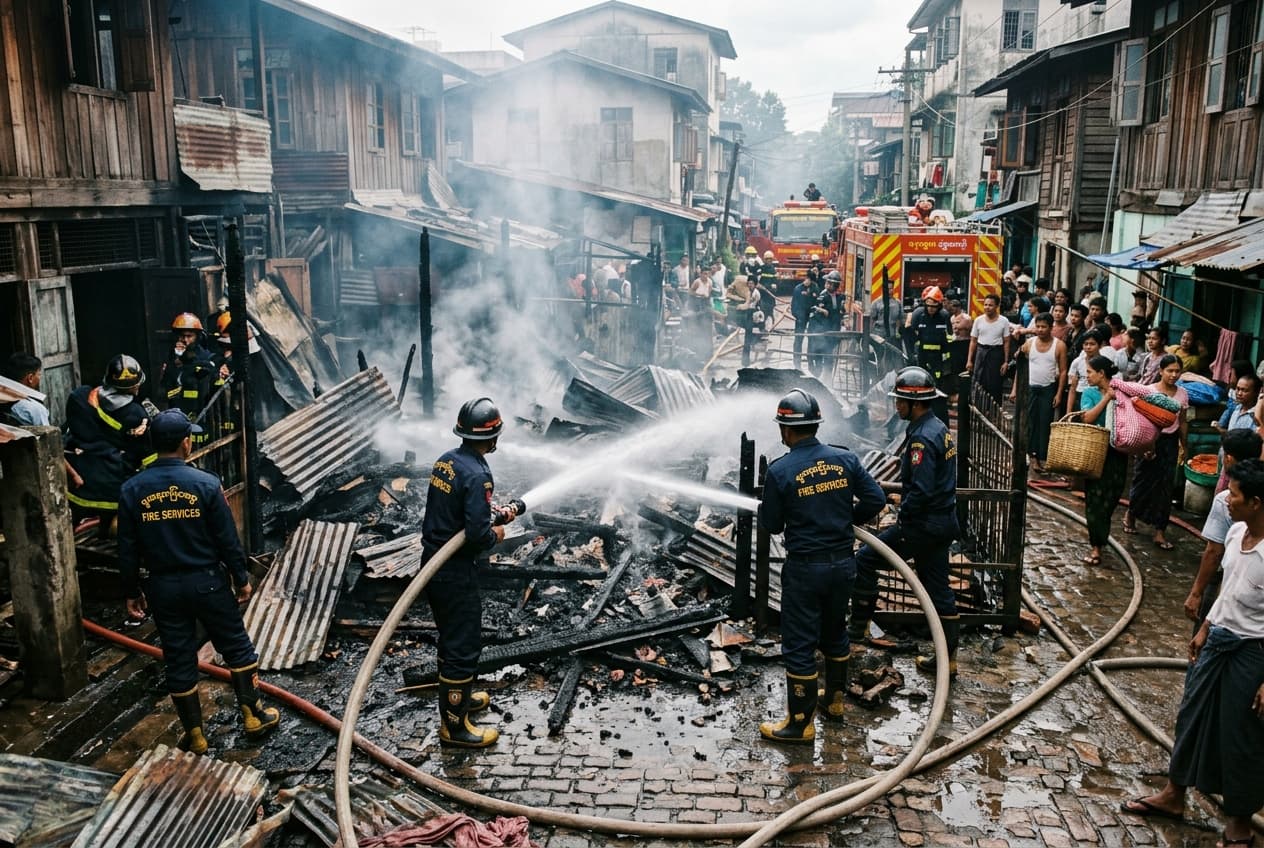
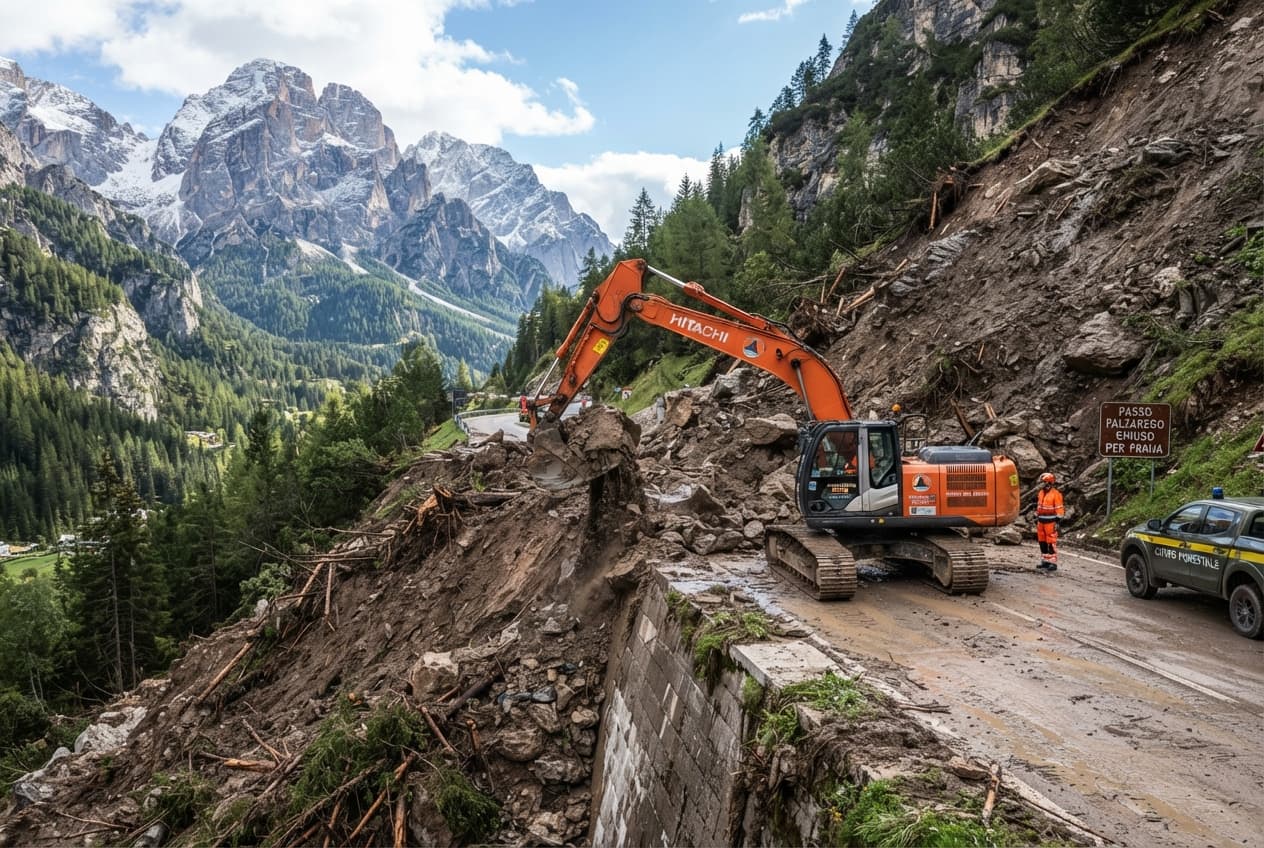
Fire rescue units and mountain rescue specialists deployed immediately to zones cut off by the debris. First responders evacuated more than eighty residents from a remote Alpine village after a local bridge collapsed under the pressure of swollen river currents. Heavy boulders and uprooted pine trees blocked arterial mountain passes, halting all vehicular movement.
Local mayors activated municipal emergency headquarters to coordinate relief operations alongside regional civil protection teams. Heavy earthmoving equipment arrived at dawn to clear blocked mountain tunnels and restore access for emergency vehicles. Power utility crews worked in hazardous conditions to repair downed transmission lines supplying isolated valleys.
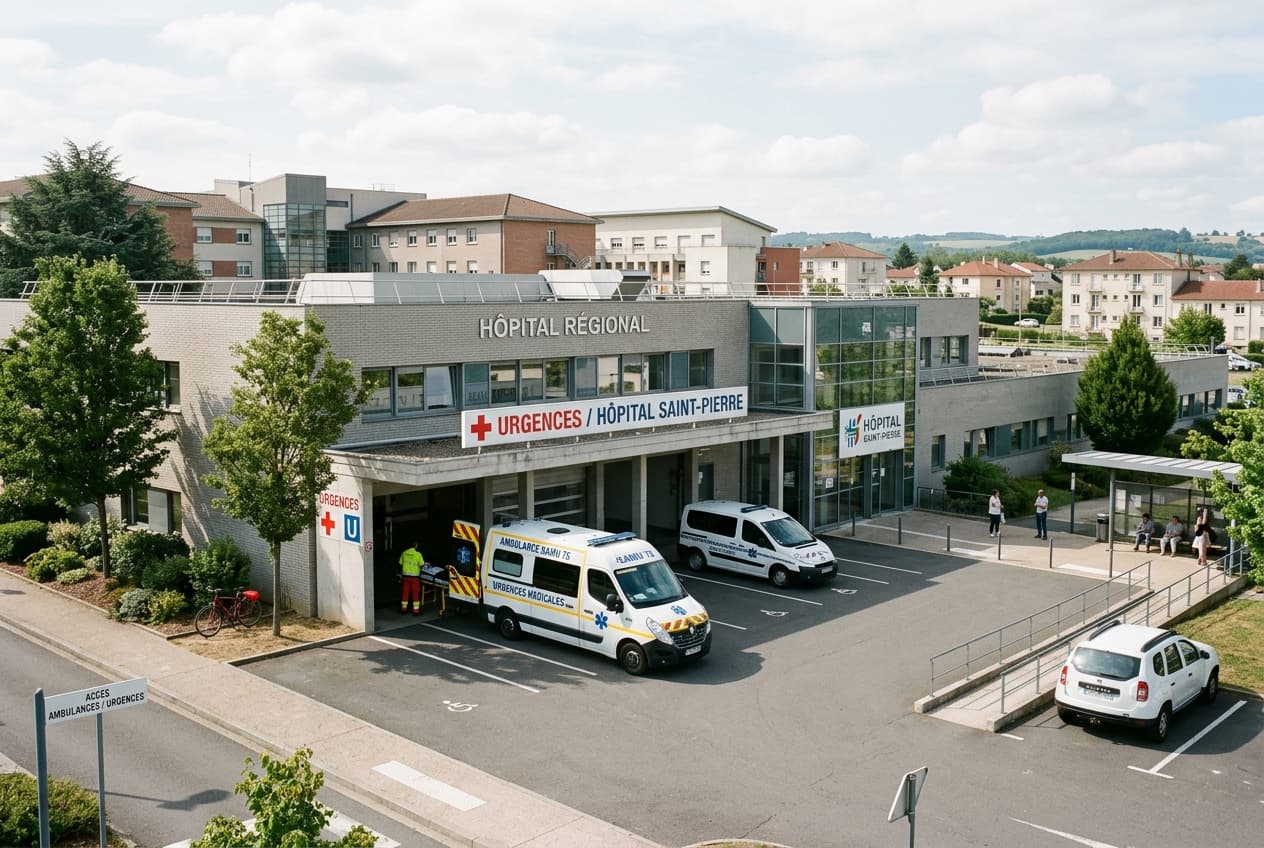
Medical transport helicopters battled high winds and dense fog to airlift injured survivors to regional trauma centers. Police cordoned off vulnerable hillside zones threatened by secondary landslide activity. Regional transit authorities suspended railway services traversing the southern Alpine corridor due to undermined track foundations.
"We have deployed every available rescue asset to the upper valleys, but continuous slope movement is severely hampering our search efforts," a provincial firefighting commander noted during a morning briefing.
Geological survey teams initiated ground assessments to evaluate the structural integrity of unstable mountain faces above populated areas. Meteorological institutes recorded unprecedented rainfall accumulations within a forty-eight-hour window across the northern watersheds. Local agricultural cooperatives reported extensive damage to terraced orchards and livestock enclosures.
Regional administrators appealed to the national government for emergency financial assistance to repair shattered municipal infrastructure. Civil protection volunteers established temporary lodging facilities inside community sports centers for displaced mountain residents. Forensic teams recovered the bodies of the victims from debris fields near swollen river channels.
Search and rescue units maintain active deployment across the upper valleys as unstable weather patterns persist.
Published by Banx Network. This article is part of the Banx decentralized media programme, powered by the BXE token on the XRP Ledger.