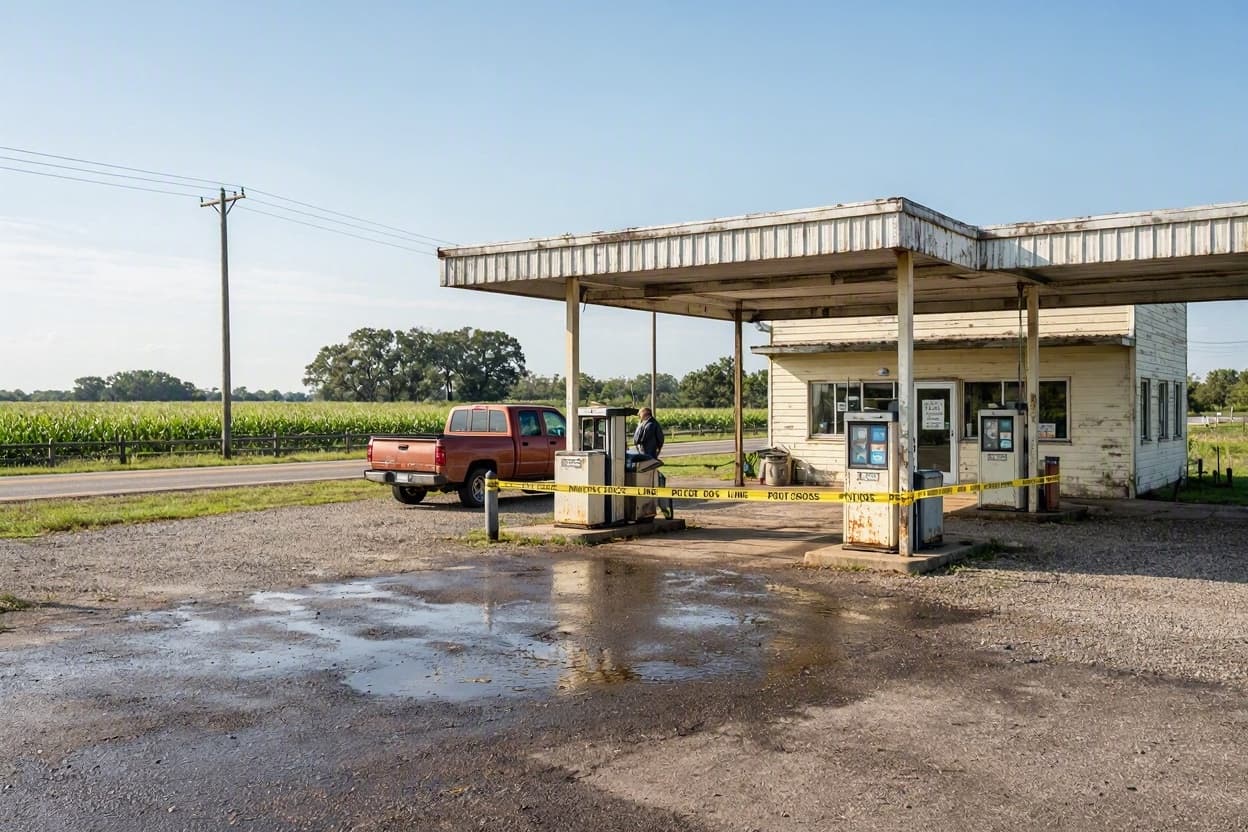
In the bright light of day, where shadows are short and visibility is high, a brutal act of violence unfolded at a gas station in northern Israel. A reputed crime boss, a figure known in the underworld but anonymous to most, was gunned down in a targeted assassination. The incident, shocking in its boldness, serves as a grim reminder of the persistent struggle against organized crime in the region. It is a moment that invites reflection on the rule of law and the challenges faced by communities grappling with internal violence.
The victim, identified as a prominent figure in local criminal networks, was filling up his vehicle when attackers opened fire. The shooting was swift and precise, indicating a planned execution rather than a random act of violence. Emergency services arrived quickly, but despite their efforts, the man succumbed to his injuries. The brazen nature of the attack, carried out in a public space during daytime, has sent shockwaves through the local community and law enforcement agencies.
Police have launched a thorough investigation, collecting evidence and interviewing witnesses to identify the perpetrators. Organized crime in Israel, particularly within certain communities, has been a longstanding issue, with rivalries often settling in blood. This incident is part of a broader pattern of violence that has claimed numerous lives in recent years. Authorities are under pressure to demonstrate effectiveness in curbing this trend and bringing those responsible to justice.
The location of the shooting, a gas station in northern Israel, highlights the reach of criminal networks beyond major urban centers. It suggests that no area is immune to the influence of organized crime. Local residents expressed fear and anger, calling for stronger police presence and stricter enforcement of laws. The sense of insecurity is palpable, affecting daily life and community cohesion.
Government officials have condemned the killing, pledging to intensify efforts against organized crime. Increased funding for police units specialized in combating gang violence has been announced, along with new legislative measures to disrupt criminal finances. These steps are intended to signal a zero-tolerance approach, but their effectiveness remains to be seen. The battle against organized crime is complex, requiring both judicial and social interventions.
For the families involved, the cycle of violence brings endless grief and fear. Retaliatory attacks are a common concern, creating an atmosphere of tension and uncertainty. Community leaders are urging calm and cooperation with police, hoping to break the cycle of revenge. Their role is crucial in building trust and encouraging witnesses to come forward, which is essential for successful prosecutions.
The international community watches with concern, noting the impact of internal violence on regional stability. Organized crime often intersects with other illicit activities, including drug trafficking and money laundering, which can have cross-border implications. Addressing these issues requires not just local action but also international cooperation. Sharing intelligence and best practices can help strengthen the fight against transnational criminal networks.
The assassination of the crime boss in northern Israel is a stark reminder of the challenges posed by organized violence. As the investigation continues, the focus remains on restoring safety and upholding the rule of law. The community’s resilience and the determination of law enforcement will be tested in the days ahead, as they work to bring peace to a troubled landscape.
AI Image Disclaimer: Visuals accompanying this article are AI-generated illustrations designed to complement the narrative and do not depict real-time events.
Sources: Ynetnews The Times of Israel Haaretz Jerusalem Post
Published by Banx Network. This article is part of the Banx decentralized media programme, powered by the BXE token on the XRP Ledger.