
Key Highlights
- Earthquake Magnitude:A magnitude 5.0 earthquake struck near Tahuna, North Sulawesi.
- Emergency Response:Local authorities activated emergency protocols immediately following the quake.
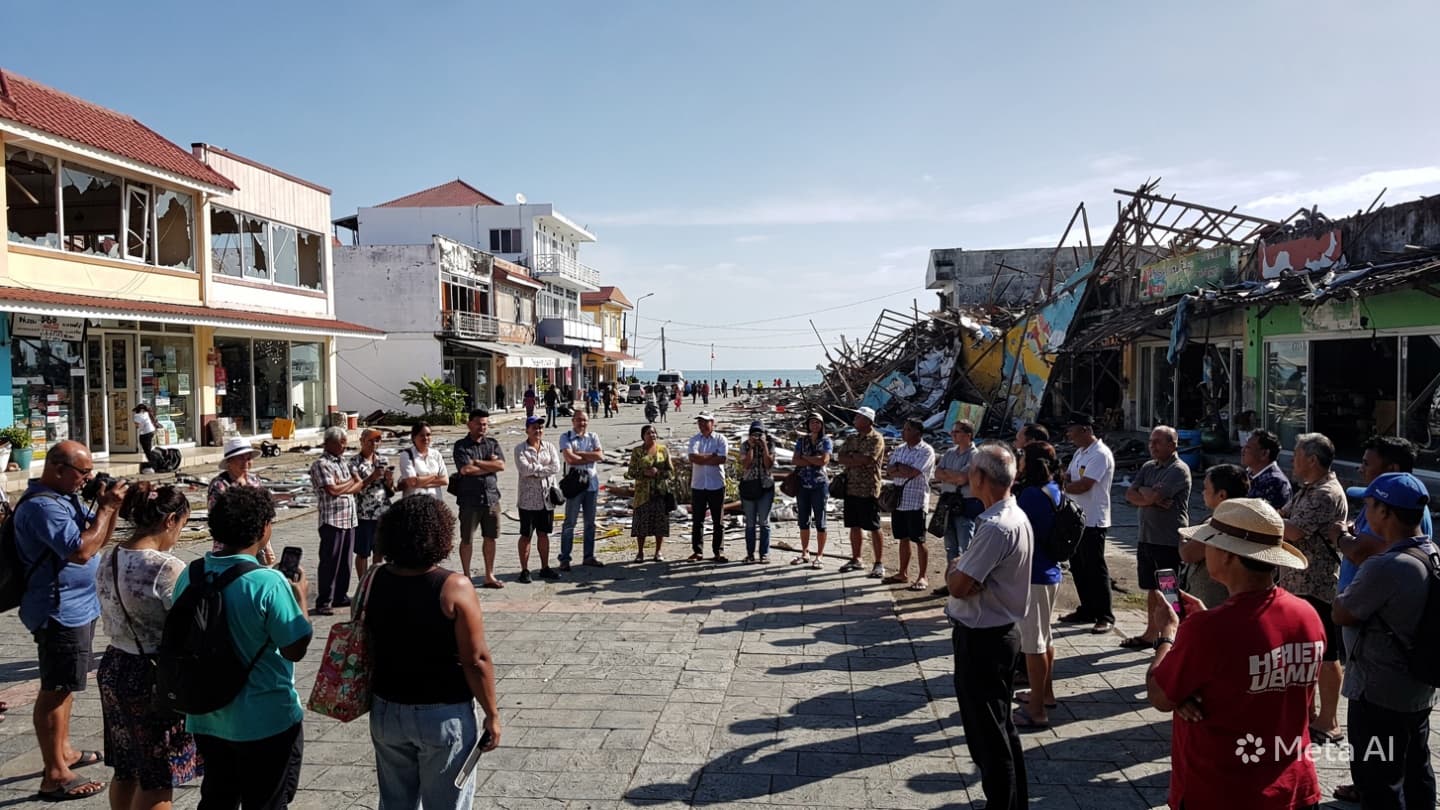
- Damage Reports:Minimal infrastructure damage reported, with some buildings showing cracks.
Tahuna, Indonesia—In the early hours of Sunday morning, a magnitude 5.0 earthquake rattled the coastal town of Tahuna, sending residents scrambling for safety. The tremors, which lasted for nearly thirty seconds, prompted immediate responses from local emergency services. Power grids flickered but remained operational, allowing for effective communication during the crisis.
Hospital staff swiftly relocated patients to outdoor areas to mitigate risks from potential falling debris. Regional police took precautionary measures by cordoning off older masonry buildings that exhibited fresh cracks in their foundations. Despite the quake's intensity, communication lines remained intact, and officials warned residents to remain vigilant for possible aftershocks throughout the day.
Geological survey teams were deployed to assess the earthquake's epicenter and depth. Preliminary assessments indicated a shallow focal point, which likely contributed to the heightened panic experienced in the downtown area. In response, schools and public offices temporarily closed to facilitate safety inspections. Many residents gathered in open spaces, anxiously awaiting news of secondary tremors.
Police Chief Aris Pratama confirmed that there were no significant infrastructure failures reported during the quake. Emergency teams conducted thorough scans of residential neighborhoods to identify any structural damages. A commercial warehouse reported partial roof damage, but fortunately, no personnel were present at the time of the incident. As a precaution, the local port authority suspended all maritime operations to prevent potential underwater surges.
Market activities came to a halt as shop owners focused on securing their storefronts and inventory. The absence of reliable early warning sirens left some neighborhoods unprepared for the quake's intensity, leading to reports of shattered windows and displaced household items. Repair crews were mobilized to restore public confidence in building safety.
Engineers directed their attention to bridge supports along the main thoroughfare, ensuring that critical infrastructure remained secure. Limited traffic resumed once visual inspections were completed. State electricity providers monitored distribution lines for any faults caused by ground displacement. Authorities maintained a heightened state of readiness as the regional geological observatory continued its analysis of the seismic event.
While the lack of widespread destruction provided some relief to the local population, the atmosphere remained tense, with sirens occasionally echoing through the valley. Business owners assessed their losses while the provincial government coordinated with central disaster mitigation agencies. Plans for a comprehensive structural audit are currently in development to ensure the safety of public facilities.
As the region awaits further updates from the seismic network, officials continue to discourage the spread of unverified information regarding potential tsunamis or secondary shocks. Operations remain focused on stabilizing key transit corridors and public facilities to ensure the safety of residents.
Published by Banx Network. This article is part of the Banx decentralized media programme, powered by the BXE token on the XRP Ledger.



