
Key Highlights
- North Korean state media encourages dog-meat soup consumption.
- The recommendation aims to help residents cope with extreme summer heat.
- The practice has faced international criticism regarding animal welfare.
North Korean state media has recently urged residents to consume dog-meat soup as a remedy for the extreme summer heat gripping the country. This recommendation is rooted in traditional beliefs that dog meat can help cool the body and provide stamina during sweltering weather. As temperatures soar, the guidance is expected to be disseminated through local broadcasts, reinforcing cultural practices tied to food and health.
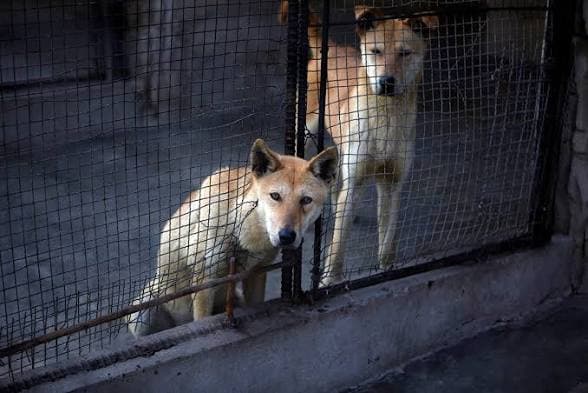
The call to eat dog-meat soup has sparked significant backlash from animal rights advocates and international observers. Critics argue that promoting such practices normalizes cruelty towards animals and raises serious ethical concerns about animal welfare in North Korea. The debate highlights the tension between cultural traditions and modern ethical standards, with many questioning the implications of such dietary recommendations in a global context.
Supporters of the practice defend it as a cultural remedy, asserting that dog meat has been consumed in various Asian cultures for centuries. They argue that it is a traditional food source that has historical significance, particularly in times of hardship. However, the current climate of extreme heat and food scarcity in North Korea adds a layer of complexity to the discussion, as many citizens struggle with daily survival.
The North Korean government's messaging appears to be aimed not only at addressing health concerns but also at bolstering domestic morale during challenging weather conditions. By promoting traditional foods, the state may be attempting to instill a sense of resilience among its citizens, even as it faces criticism from the outside world.
As the summer progresses and temperatures continue to rise, it remains to be seen how widely this recommendation will be adopted among the population. The interplay between cultural practices, state propaganda, and international scrutiny will likely shape the narrative surrounding this issue in the coming weeks.
In conclusion, the recommendation to consume dog-meat soup reflects a complex intersection of tradition, health, and ethics in North Korea. As global conversations about animal rights evolve, the implications of such practices will continue to be a point of contention both within the country and internationally.
Published by Banx Network. This article is part of the Banx decentralized media programme, powered by the BXE token on the XRP Ledger.



