
Key Highlights
- Project Size:50,000 housing units nearing completion in Pyongyang.
- Government Initiative:Aims to address housing shortages and improve urban infrastructure.
- International Scrutiny:Observers question the impact on living conditions amid economic challenges.
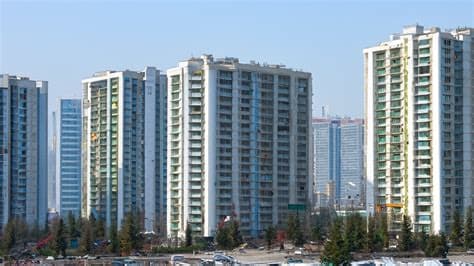
North Korea has announced that a massive housing project consisting of 50,000 units in Pyongyang is approaching completion. This initiative aims to tackle the ongoing housing shortage in the capital and is part of the government's broader strategy to enhance urban infrastructure and living conditions. The project is seen as a significant step towards improving the quality of life for residents, particularly in light of the economic challenges faced by the country.
The housing project has been heavily promoted by North Korean authorities, who view it as a symbol of progress and resilience. State media reports emphasize the significance of the development, portraying it as a key step in improving the quality of life for residents amidst economic challenges and international sanctions. The government has framed this initiative as a demonstration of its commitment to enhancing living conditions, despite the ongoing difficulties faced by many citizens.
Located in various districts of Pyongyang, the new housing units are expected to provide modern amenities and contribute to the overall urban development of the city. Reports suggest that the design includes features aimed at enhancing community living, although details on the specific distribution of units and accessibility remain limited. The project is likely to attract attention not only for its scale but also for its implications on urban planning in North Korea.
While the state presents the project as a success, observers note that the living conditions in many areas of North Korea remain precarious. Access to basic necessities such as food and healthcare continues to be a pressing issue for many citizens, which raises questions about the broader impacts of such projects and the priorities of the government. Critics argue that while the housing initiative may improve conditions for some, it does not address the systemic issues affecting the majority of the population.
As the housing project nears completion, it could signal not only a shift in living conditions for some residents but also highlight the North Korean regime's commitment to demonstrating progress in the face of economic adversities. The international community will be watching closely for any signs of change in the country's domestic policies and living standards. Observers are particularly interested in how this project might influence North Korea's relations with other countries, especially in terms of economic cooperation and humanitarian assistance.
In conclusion, the completion of the 50,000-unit housing project in Pyongyang represents a significant development in North Korea's urban landscape. However, it also raises critical questions about the government's priorities and the actual living conditions of its citizens. As developments unfold, the implications of this project will be closely monitored by both domestic and international stakeholders.
Published by Banx Network. This article is part of the Banx decentralized media programme, powered by the BXE token on the XRP Ledger.



