In Mississippi, the quiet town of Horn Lake has been gripped by grief and controversy following the death of Nolan Wells, a Black college student found dead in July. Recently, a grand jury decided not to bring criminal charges, ruling that the evidence did not support indictments. However, Wells’ family is pushing back against this decision, rejecting the findings and calling for further investigation. Their stance highlights the deep-seated tensions surrounding justice, race, and accountability in America. It is a story of a family’s relentless pursuit of truth.
Nolan Wells was found deceased under circumstances that initially raised suspicions of foul play. His family has consistently argued that his death was not a suicide or accidental drowning, as suggested by some initial reports, but rather the result of criminal action. They point to inconsistencies in the official narrative and demand a more thorough examination of the facts. Doubt fuels the search for answers.
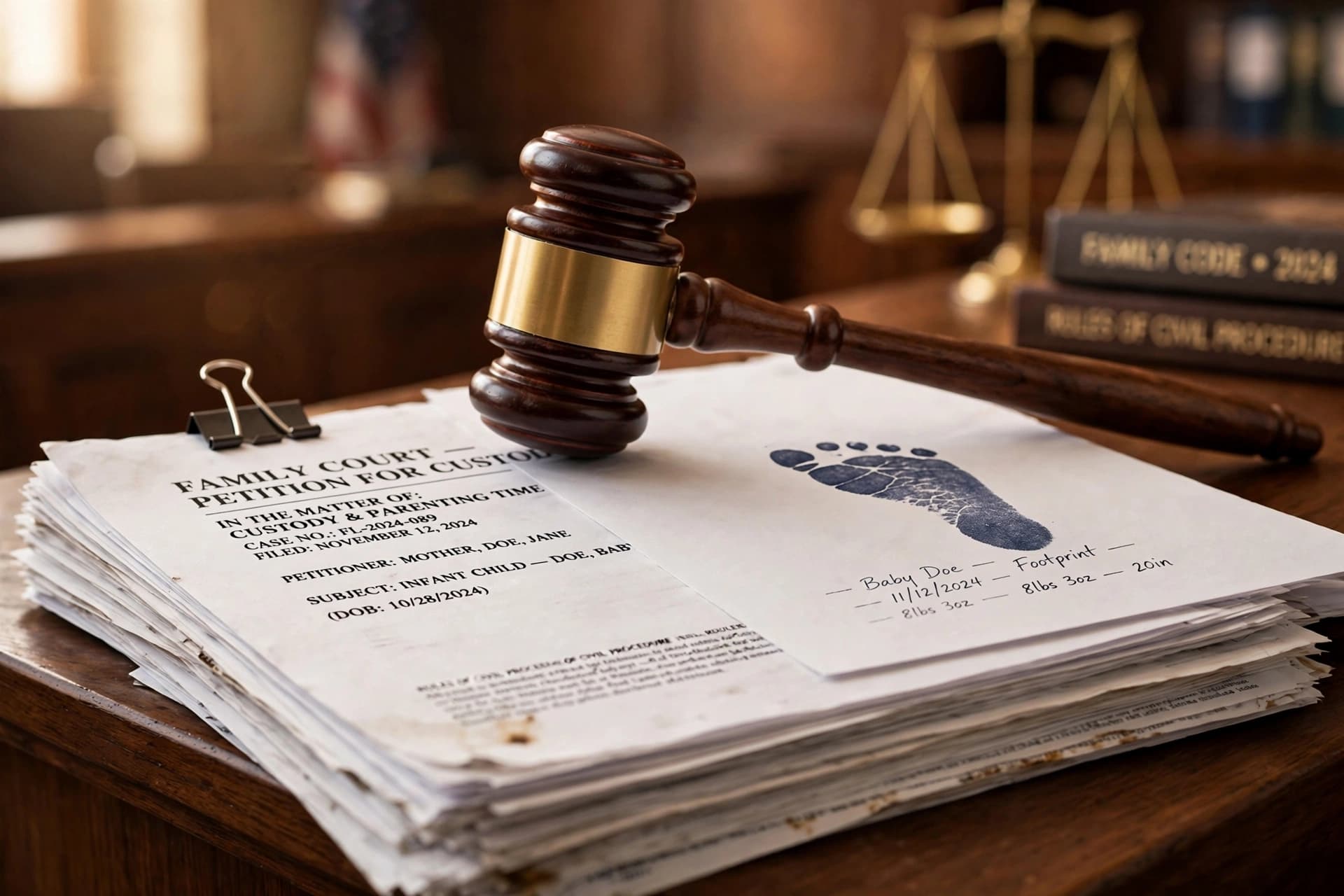
The grand jury’s "no true bill" decision means that, based on the presented evidence, no criminal charges are warranted at this time. Prosecutors stated that the cause of death was consistent with drowning and that there was insufficient evidence of criminal conduct. For the legal system, this marks the end of the current investigative chapter. Law follows evidence.
For the Wells family, however, the decision is unacceptable. They have expressed frustration with the investigation’s scope and transparency, feeling that key questions remain unanswered. Their pushback is not just about one case but about broader issues of trust in law enforcement and the judicial process. Trust is earned through action.
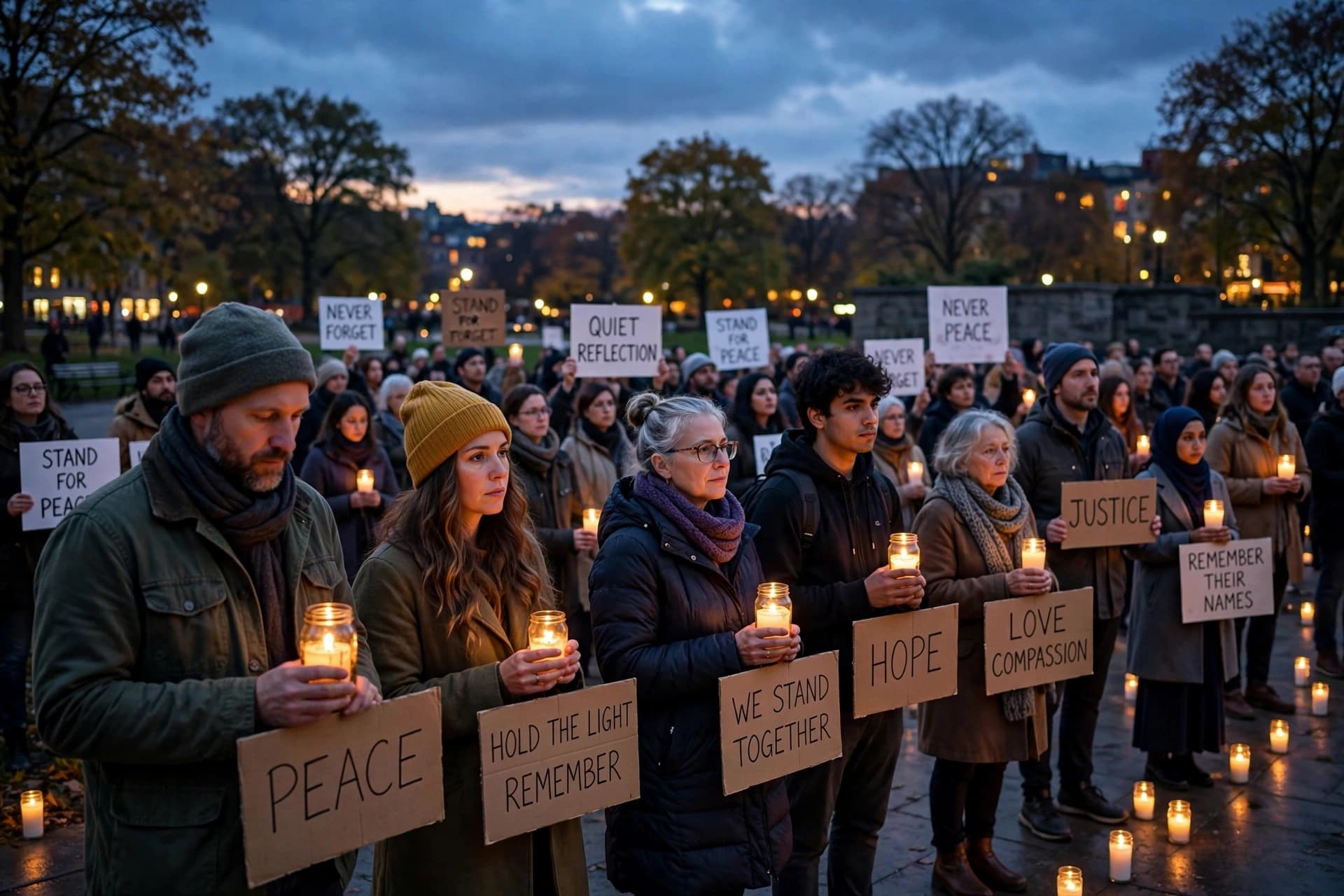
Community supporters have rallied around the family, organizing vigils and demanding federal intervention. The case has drawn national attention, with activists highlighting similar instances where justice seemed elusive for Black victims. Solidarity provides strength in the face of adversity. Unity amplifies voices.
Legal experts note that while grand jury decisions are final in most cases, families can pursue civil lawsuits or request federal reviews. These avenues offer alternative paths to accountability, though they differ from criminal prosecution. The legal landscape is complex and multifaceted. Persistence is key.
The emotional toll on the family is immense. Losing a loved one is tragic, but doing so without clear answers adds a layer of anguish. Their public stance is a testament to their love for Nolan and their determination to honor his memory. Love drives justice.
In the end, the Nolan Wells case remains a poignant reminder of the challenges in achieving justice. As the family continues to fight, the hope is for a resolution that brings clarity and peace. Truth is the ultimate goal.
AI Image Disclaimer: The visual aids included here are AI-generated illustrations depicting themes of mourning and justice, not actual photographs of Nolan Wells, his family, or the specific location in Horn Lake.
Sources: Associated Press The Guardian NPR
Published by Banx Network. This article is part of the Banx decentralized media programme, powered by the BXE token on the XRP Ledger.