
Key Highlights
- Unclaimed Airstrikes:No group has taken responsibility for the recent airstrikes in Iran.
- U.S. Military Actions: The strikes occurred shortly after the U.S. completed its own military operations in the region.
- Fragile Ceasefire:The situation adds to the uncertainty surrounding the U.S.-Iran ceasefire framework.
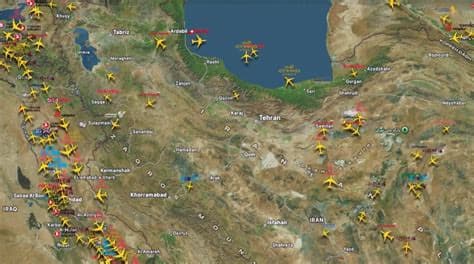
The recent airstrikes that targeted southern Iran have left many questions unanswered, as no group has claimed responsibility for the attacks. Reports indicate that these strikes occurred shortly after the U.S. Central Command announced the conclusion of its own military operations in the region, which had targeted approximately 90 sites. The timing of these airstrikes raises concerns about the ongoing tensions between the U.S. and Iran, particularly as Iran was preparing to hold ceremonies for its late Supreme Leader, Ayatollah Ali Khamenei.
Iranian officials have refrained from directly attributing blame for the strikes, and there has been no immediate claim from Israel or Gulf Arab states, which are often implicated in such incidents. The lack of accountability for the airstrikes adds to the already complex and fragile dynamics of the U.S.-Iran relationship, which has been marked by a series of escalating military actions and retaliatory measures.
In the wake of the U.S. strikes, Iranian state media reported additional attacks affecting various locations, including Bushehr and parts of Sistan and Baluchestan province, as well as cities like Ahvaz and Chabahar. However, U.S. Central Command did not confirm these reports and declined to provide further comments when approached by media outlets.
The broader implications of these airstrikes are significant, as they come at a time when tensions in the Middle East are already high. Following the U.S. military campaign, Iran responded with a series of missile alerts across the region, affecting countries such as Bahrain, Jordan, Kuwait, and Qatar. This escalation of military activity underscores the precarious nature of the ceasefire framework that has been in place between Washington and Tehran.
As both nations continue to exchange accusations and signals regarding the status of negotiations, the uncertainty surrounding these unclaimed airstrikes only adds to the volatility of the situation. Analysts suggest that the lack of clarity about the perpetrators could lead to further military responses and complicate diplomatic efforts aimed at de-escalating tensions in the region.
In conclusion, the unclaimed airstrikes in Iran represent a critical moment in the ongoing conflict between the U.S. and Iran, highlighting the fragile state of peace in the region and the potential for further escalation.
Published by Banx Network. This article is part of the Banx decentralized media programme, powered by the BXE token on the XRP Ledger.



