In the intricate tapestry of international diplomacy, threads of alliance and disagreement often weave together to form a complex picture. Recently, a significant rift appeared between two close allies as Israeli Prime Minister Benjamin Netanyahu publicly rejected a peace proposal backed by former President Donald Trump. The plan, which outlined a path toward disarmament and political transition in Gaza, was met with firm resistance from Jerusalem. This moment invites reflection on the delicate balance between strategic partnership and national sovereignty. It is a reminder that even the strongest bonds are tested by the profound challenges of conflict and security.
The proposed framework, consisting of fifteen points, aimed to facilitate the release of hostages and establish a new governance structure for Gaza. Central to the plan was the requirement for Hamas to fully disarm, a condition that Netanyahu emphasized as non-negotiable. However, the Prime Minister argued that the timeline and mechanisms for withdrawal were insufficient to guarantee Israel’s long-term safety. His stance underscores the deep-seated concerns that drive Israeli security policy, prioritizing tangible results over diplomatic gestures.
For the Trump administration, the rejection represents a diplomatic hurdle. The former president had positioned the plan as a breakthrough, leveraging his relationships in the region to broker a deal. The public dissent from Netanyahu highlights the limitations of external influence in deeply rooted conflicts. It suggests that sustainable peace requires not just high-level agreements but also ground-level consensus and trust. The dynamics of Middle Eastern politics remain resistant to quick fixes.
International observers have reacted with a mix of concern and understanding. Some view Netanyahu’s decision as a necessary assertion of independence, while others worry it may prolong the suffering in Gaza. The humanitarian situation remains dire, with millions relying on aid that is often difficult to deliver. The stalemate in negotiations adds another layer of complexity to an already volatile environment. Every day without a resolution carries a heavy human cost.
Within Israel, public opinion is divided. Many support the government’s hardline stance, fearing that premature withdrawal could lead to renewed attacks. Others advocate for a more flexible approach, hoping to end the war and bring hostages home. This internal debate reflects the broader societal trauma caused by the conflict. Leaders must navigate these sentiments while making decisions that will shape the nation’s future.
The role of mediators, including Egypt and Qatar, continues to be crucial. They work behind the scenes to keep channels of communication open, seeking common ground where none seems to exist. Their efforts are often unseen but vital for preventing total breakdowns in dialogue. The hope remains that persistent diplomacy can eventually bridge the gap between opposing demands.
Prime Minister Netanyahu’s rejection of Trump’s Gaza plan highlights the enduring challenges of achieving peace in the region. As both sides maintain their positions, the focus remains on security and humanitarian needs. The hope is for renewed dialogue that can lead to a sustainable resolution.
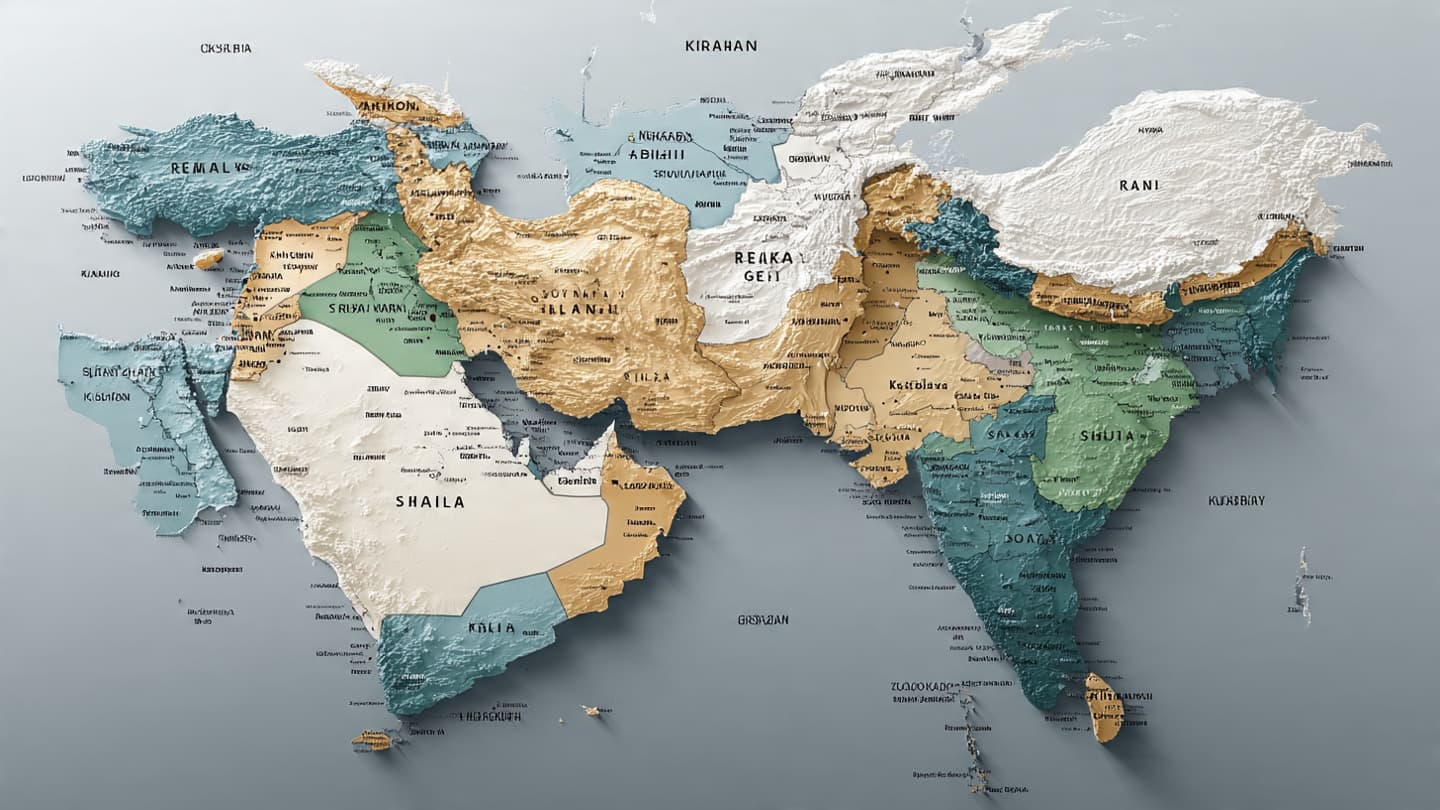
AI Image Disclaimer: The visual elements accompanying this report are AI-generated interpretations designed to reflect the political and diplomatic context of the story.
Sources: NPR Reuters The Guardian
Published by Banx Network. This article is part of the Banx decentralized media programme, powered by the BXE token on the XRP Ledger.

.jpg&w=3840&q=75 "Same-Sex Couple Sue Slovakia Over Refusal to Register Their Marriage")