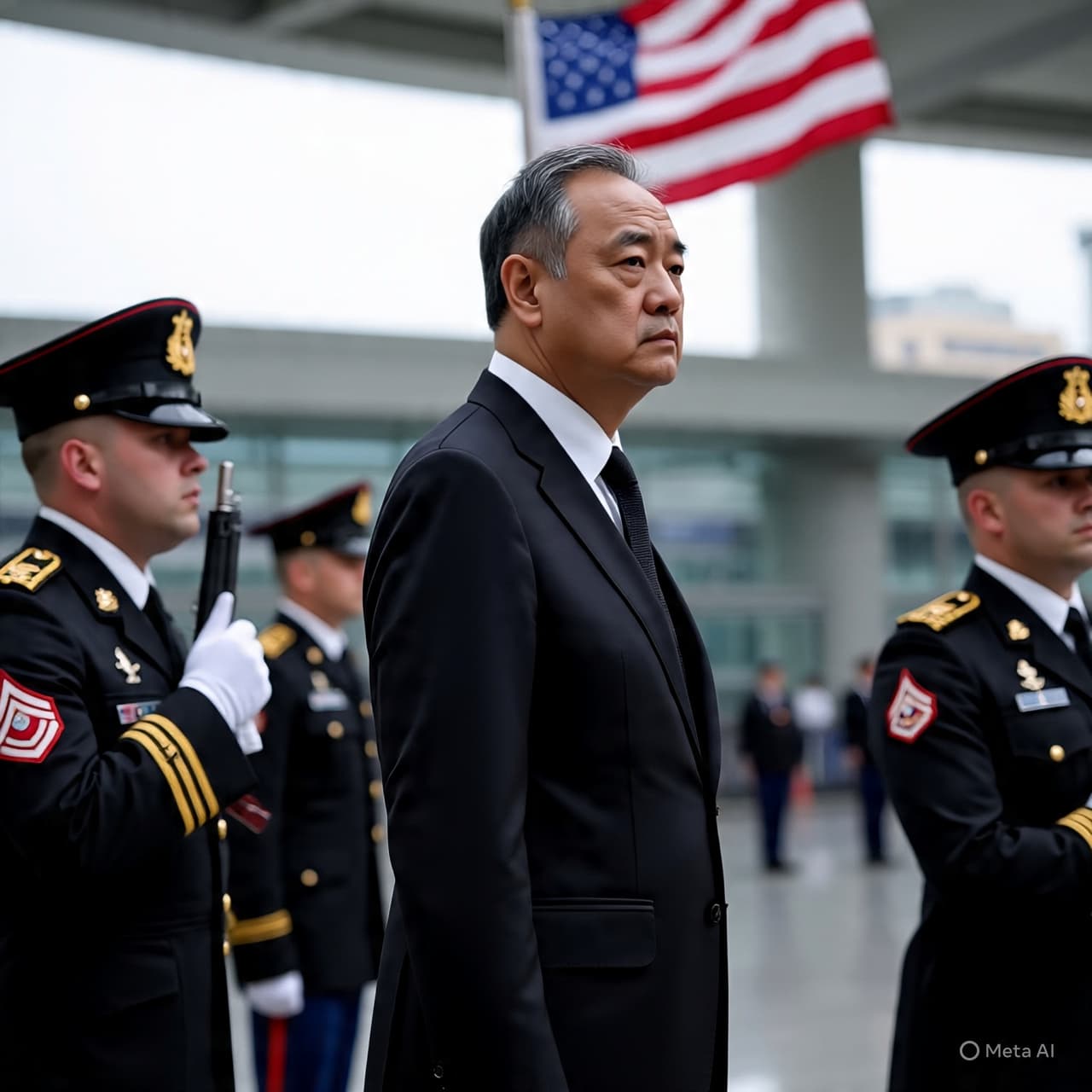
A high-level diplomatic visit without trade negotiations? That is the reality surrounding South Korean Prime Minister's recent trip to Washington, where tariffs—usually the flashpoint in U.S.-Korea talks—were notably absent from the agenda.
The absence is striking. Tariffs often dominate discussions between Seoul and Washington, whether tied to steel, semiconductors, or electric vehicles. But this time, both sides chose a different focus: alliance strength, security coordination, and the North Korea question. By leaving trade disputes off the table, leaders signaled a deliberate shift toward geopolitics over economics.
Some analysts see this as tactical restraint. With global tensions mounting—from China’s tech ambitions to Russia’s ongoing war—Washington and Seoul may be prioritizing stability over contentious economic sparring. For South Korea, avoiding tariff battles buys political capital at home and breathing room abroad. For the U.S., it underscores that the Korean Peninsula is as much a security anchor as an economic partner.
Yet the silence also invites speculation. Can economic grievances stay sidelined for long? Or will they inevitably resurface once the cameras fade? For now, Lee’s visit reflects a moment when symbolism and solidarity mattered more than trade concessions.
Published by Banx Network. This article is part of the Banx decentralized media programme, powered by the BXE token on the XRP Ledger.