
Key Highlights
- U.S. State Department directive: No official recognition of World AIDS Day.
- Shift reflects a focus on direct action over symbolic gestures.
- Advocates express concern over loss of visibility and solidarity.
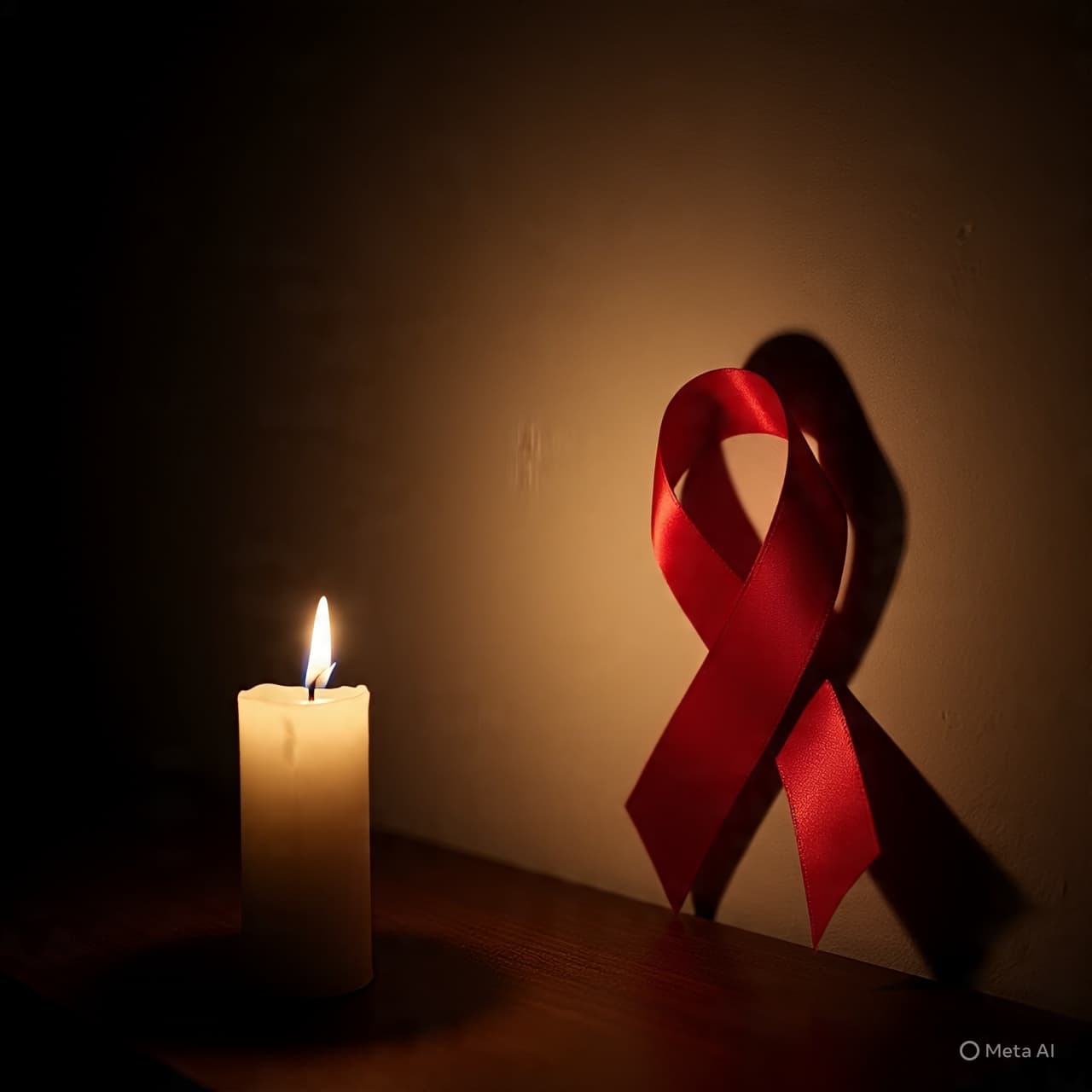
December 1 is approaching, a date that has historically been marked by candlelight vigils and collective remembrance for those lost to HIV/AIDS. However, this year, the U.S. government will not participate in World AIDS Day observances, as per recent internal guidance from the State Department. Federal employees and grantees have been instructed to refrain from using government resources to commemorate the day, breaking a tradition that has been upheld since 1988.
The directive indicates that there will be no official statements, social media posts, or public events related to World AIDS Day. Supporters of this policy change argue that it represents a necessary shift in strategy, emphasizing that “an awareness day is not a strategy.” Instead, the administration intends to focus on direct actions, collaborating with foreign governments to enhance their responsibilities in combating HIV/AIDS.
Despite these claims, many advocates, health workers, and communities affected by HIV view this decision as a significant loss. For decades, World AIDS Day has served as a crucial moment for remembrance and awareness, providing a platform for public health campaigns, funding announcements, and community healing. The absence of official recognition may diminish the visibility of ongoing struggles against HIV/AIDS, particularly at a time when global funding for prevention and treatment is under pressure.
The decision to withdraw from public commemoration raises concerns about the implications for advocacy and support networks. The collective pause that World AIDS Day represents is not merely symbolic; it is a vital opportunity for communities to unite in memory of those lost and to renew commitments to those still living with HIV. By stepping back from this tradition, the U.S. government risks undermining the very awareness it seeks to promote through direct action.
As the world grapples with the ongoing challenges of HIV/AIDS, the choice to forgo public acknowledgment may resonate deeply within affected communities. The shared silence and candle-lit memories that once illuminated the fight against this epidemic could fade, leaving a void that is felt as profoundly as the epidemic itself. The implications of this policy shift extend beyond mere observance; they touch on the core values of visibility, solidarity, and collective memory that have defined the global response to HIV/AIDS.
Published by Banx Network. This article is part of the Banx decentralized media programme, powered by the BXE token on the XRP Ledger.



