
Key Highlights
- Two UN peacekeepers killed in southern Lebanon amid escalating conflict.
- Recent attacks highlight the increasing danger for UNIFIL personnel.
- Calls for investigations into the incidents emphasize the need for peacekeeper protection.
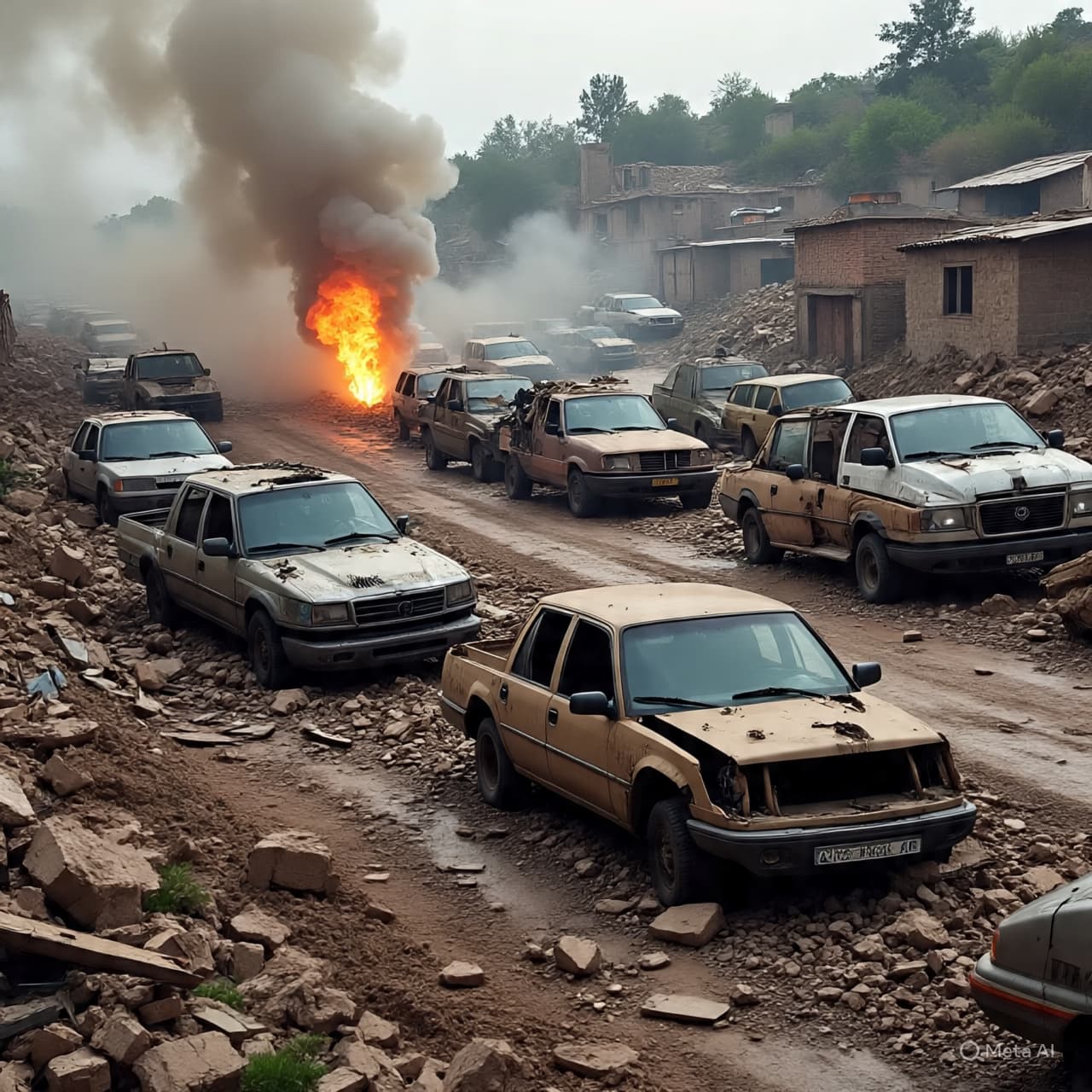
The ongoing conflict in southern Lebanon has reached a critical juncture, with the United Nations peacekeeping forces facing unprecedented risks. In a tragic turn of events, two members of the United Nations Interim Force in Lebanon (UNIFIL) were killed when an explosion struck their vehicle near Bani Haiyyan. This incident marks a significant escalation in violence against peacekeepers, who have been deployed in the region to maintain stability and monitor ceasefire agreements.
This latest attack follows closely on the heels of another deadly incident, where a peacekeeper lost their life due to a projectile hitting a UN position. The back-to-back occurrences represent one of the deadliest periods for UNIFIL in recent years, raising alarms about the safety of international personnel in conflict zones.
UNIFIL has been stationed in southern Lebanon since 1978, tasked with monitoring the ceasefire between Israel and Hezbollah. However, as military operations intensify, the mission's role has become increasingly perilous. Recent Israeli ground operations and airstrikes targeting Hezbollah positions have created a volatile environment, where even clearly marked UN convoys and bases are no longer safe from harm.
The responsibility for the explosion that killed the two peacekeepers remains unclear, prompting calls from both the United Nations and regional actors for thorough investigations. The UN has emphasized the importance of protecting peacekeeping personnel under international law, highlighting the need for accountability in such incidents.
The implications of these attacks extend beyond the immediate tragedy. Peacekeepers are intended to serve as neutral parties, providing a buffer between conflicting sides. When they become casualties, it signals not only the severity of the ongoing fighting but also the diminishing boundaries that once safeguarded their operations. In southern Lebanon, these protective boundaries are rapidly eroding, raising concerns about the future of peacekeeping efforts in the region.
As the situation continues to evolve, the international community watches closely, aware that the stability of southern Lebanon is crucial not only for the region but also for broader geopolitical dynamics. The loss of UN personnel underscores the urgent need for renewed diplomatic efforts to address the underlying tensions and restore a semblance of peace in this historically volatile area.
Published by Banx Network. This article is part of the Banx decentralized media programme, powered by the BXE token on the XRP Ledger.



