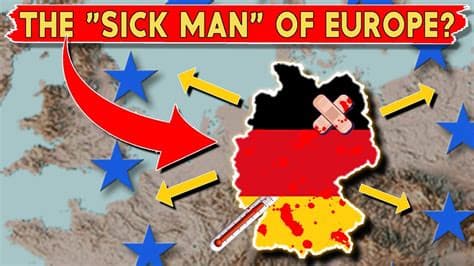
Germany, often seen as the economic powerhouse of Europe, is facing a critical juncture as it navigates a series of challenges that threaten its traditional business model. The lack of a cohesive strategic plan to address issues such as rising energy costs, supply chain disruptions, and shifting global market dynamics has led to concerns about its future economic stability.
The German economy, heavily reliant on manufacturing and exports, is experiencing pressures from multiple fronts. Increasing competition from emerging markets, coupled with the energy crisis exacerbated by geopolitical tensions, has put significant strain on its industrial base. Furthermore, the transition to greener technologies, while necessary, has introduced additional complexities that require substantial investment and planning.
Analysts warn that if Germany fails to adapt and innovate, it could not only lose its competitive edge but also have ripple effects across Europe. As one of the largest economies in the EU, a decline in Germany's economic performance could hinder growth prospects for neighboring countries and destabilize the European market as a whole.
There is an urgent call for policymakers to devise a comprehensive strategy that addresses these economic challenges while fostering innovation and sustainability. Collaborative efforts at the European level are essential to ensure a coordinated response that enhances resilience and secures the future of the continent's economy.
As Germany grapples with these pressing issues, the rest of Europe watches closely, recognizing that the outcomes will have significant implications for the region's economic landscape and overall stability in the years to come. The need for proactive measures and strategic foresight has never been more critical.
Published by Banx Network. This article is part of the Banx decentralized media programme, powered by the BXE token on the XRP Ledger.