
Key Highlights
- Germany's economy is under pressure from rising energy costs and supply chain issues.
- Analysts warn of potential ripple effects across Europe if Germany fails to adapt.
- Urgent calls for a comprehensive strategy to foster innovation and sustainability.
Germany, often regarded as the economic powerhouse of Europe, is currently at a critical juncture as it faces a multitude of challenges that threaten its traditional business model. The absence of a cohesive strategic plan to tackle issues such as rising energy costs, supply chain disruptions, and shifting global market dynamics has raised significant concerns about the future stability of its economy.
The German economy, which heavily relies on manufacturing and exports, is experiencing pressures from various fronts. Increasing competition from emerging markets, coupled with an energy crisis exacerbated by geopolitical tensions, has placed considerable strain on its industrial base. The transition to greener technologies, while necessary for sustainability, has introduced additional complexities that require substantial investment and strategic planning.
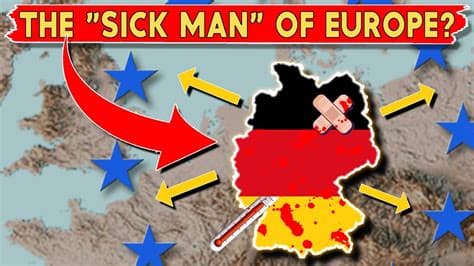
Analysts warn that if Germany does not adapt and innovate, it risks losing its competitive edge, which could have ripple effects across Europe. As one of the largest economies in the EU, a decline in Germany's economic performance could hinder growth prospects for neighboring countries and destabilize the European market as a whole. The interconnectedness of European economies means that challenges faced by Germany could quickly escalate into broader economic issues for the region.
There is an urgent call for policymakers to devise a comprehensive strategy that addresses these economic challenges while fostering innovation and sustainability. Collaborative efforts at the European level are essential to ensure a coordinated response that enhances resilience and secures the future of the continent's economy. Without a clear plan, the risk of economic stagnation looms large.
As Germany grapples with these pressing issues, the rest of Europe watches closely, recognizing that the outcomes will have significant implications for the region's economic landscape and overall stability in the years to come. The need for proactive measures and strategic foresight has never been more critical. Policymakers must act swiftly to ensure that Germany can navigate these challenges effectively, safeguarding not only its own economic future but also that of Europe as a whole.
Published by Banx Network. This article is part of the Banx decentralized media programme, powered by the BXE token on the XRP Ledger.



