It has been 84 winters since the morning when the skies over O‘ahu turned from quiet Pacific blue to smoke-choked chaos — a Sunday that echoed across generations. Today, those who stood watch as bombs fell, who heard the roar of planes and watched battleships burn, are nearly gone. The dozen survivors remaining now reach centenarian age; this year, none could travel the long journey back to the shores where their lives changed forever. As the day dawned, the harbor was still. But something even more profound had gone silent: firsthand memory.
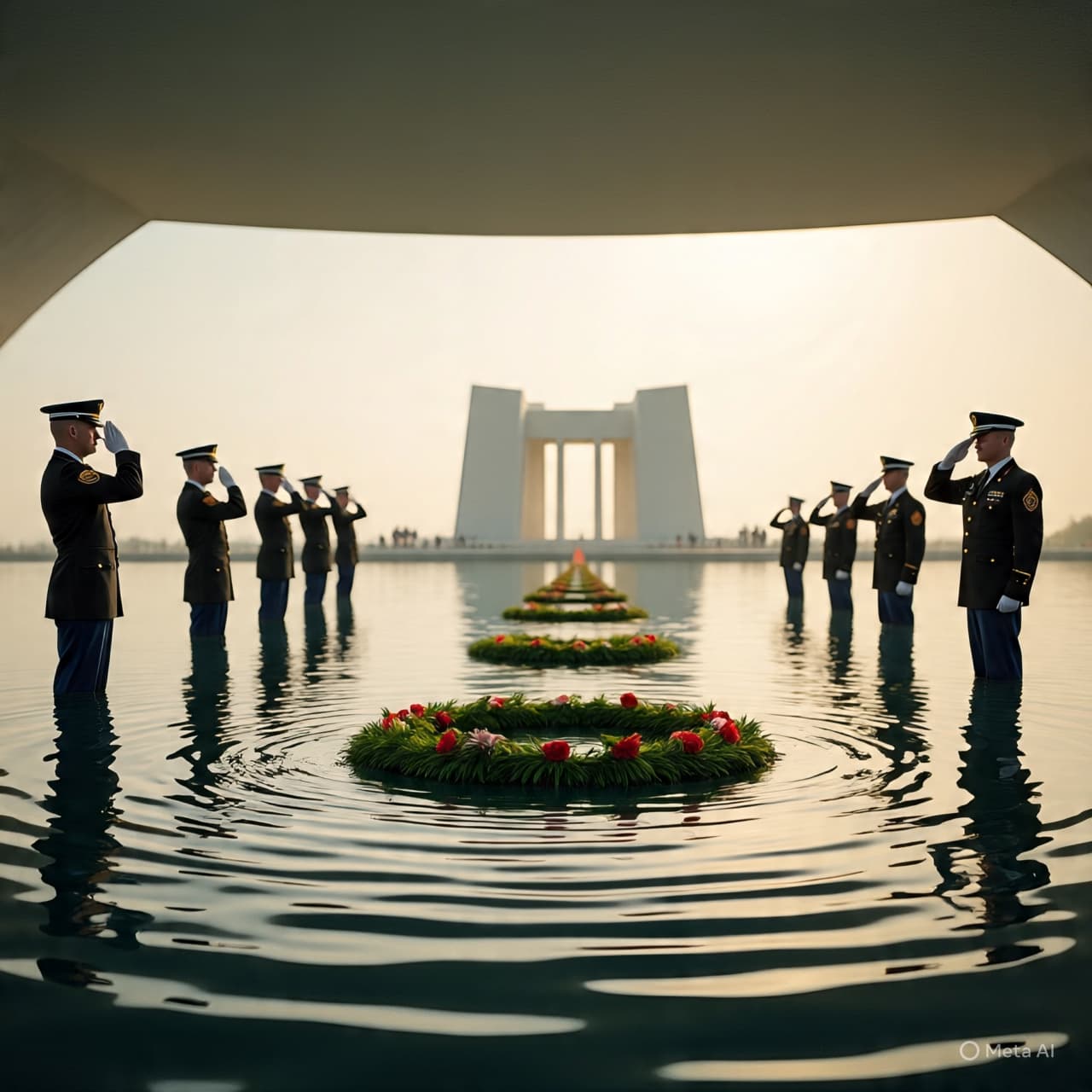
Officials say that as of 2025 there are only 12 living veterans who experienced the December 7, 1941 attack on Pearl Harbor — all over 100 years old now. This fact marks a solemn turning point: at this year’s commemoration, no one who witnessed the bombing in person could attend. The annual observance, once anchored by the heavy presence of survivors saluting, laying wreaths, speaking of horror and bravery, proceeds today in their absence — a tribute maintained by active-duty service members and the strength of collective memory.
The 1941 attack killed more than 2,300 service members and changed the course of history, pulling the United States into World War II. For decades, veterans returned to the harbor to bear witness. Over time, their numbers dwindled — from thousands, to dozens, to a scant few. Their fading presence has led historians and caretakers of memory to shift how the story is told. Where once living voices spoke of roaring sirens and smoke-choked decks, we now rely increasingly on archived oral histories, letters, photos, and recorded testimony.
Yet, even as the number of survivors dwindles, the meaning of remembrance remains undiminished. This year’s commemoration — though devoid of firsthand witnesses — still carried the weight of history: a moment of silence at 7:55 a.m., military honors, wreath-layings, flyovers overhead. The shift from presence to memory underscores a deeper truth about time: events may recede from living memory, but their impact endures through what we choose to remember, and what we pass along.
Still, some mourn the distance. As one descendant of a veteran reflected, “The idea of not having a survivor there for the first time … it hurt my heart in a way I can’t describe.”
The absence of survivors at the 84th anniversary should not soften the resolve to remember. Though no voice there today spoke from 1941, the legacy of those lost — and those who lived through darkness — remains. As the last of the living veterans age and pass, archival records, educational efforts, and collective storytelling become more crucial than ever. In that shift, remembrance transforms from personal testimony into shared history — a quiet but enduring promise that the lessons of that December morning will not fade with the last salute.
AI-Image Disclaimer Graphics are AI-generated and intended for representation, not reality.
Sources Associated Press Fox News The Guardian Yahoo News (via aggregated wire reports) Pacific Historic Parks / Hawaii News Now
Published by Banx Network. This article is part of the Banx decentralized media programme, powered by the BXE token on the XRP Ledger.