

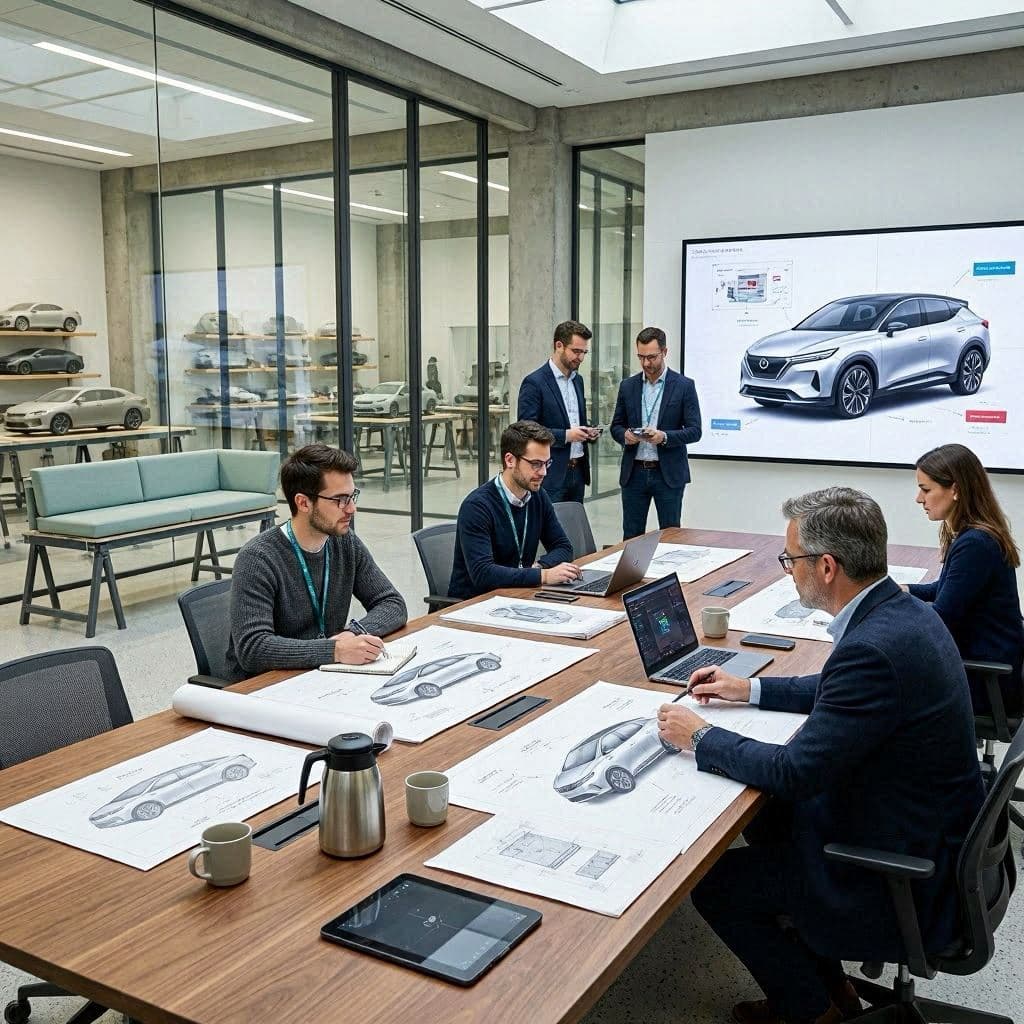
Key Highlights
- Nissan has halted the development of an electric Qashqai SUV.
- The decision reflects broader trends in the automotive industry amid shifting consumer demand.
- Nissan remains committed to electrification despite the suspension of this specific model.
Nissan Motor Co. has made a significant decision to pause the development of an electric version of its popular Qashqai sport utility vehicle. This move is part of a broader strategy aimed at enhancing operational efficiency and reducing costs in a rapidly evolving automotive landscape. The Qashqai has been a key model for Nissan, particularly in European markets where compact SUVs have gained substantial popularity.
The decision to halt the electric Qashqai comes at a time when automakers globally are reassessing their investment priorities. The electric vehicle (EV) market is experiencing a complex transition, characterized by fluctuating demand and increasing competition. While the adoption of EVs continues to rise in various regions, manufacturers are grappling with challenges such as production costs and supply chain disruptions.
Industry analysts view Nissan's decision as indicative of a larger trend among automakers who are striving to balance ambitious electrification goals with the need for financial sustainability. In recent months, several major car manufacturers have adjusted their production schedules or postponed certain EV projects, reflecting the current uncertainties in the market.
Nissan has been actively pursuing restructuring initiatives aimed at bolstering profitability and streamlining its operations. Executives at the company have highlighted the necessity of allocating resources effectively to maintain competitiveness in an increasingly crowded automotive market. Despite the suspension of the electric Qashqai, Nissan remains committed to its overall electrification strategy, with plans for various electric and hybrid models in the pipeline.
Experts emphasize that adaptability is crucial for automotive manufacturers as they navigate the ongoing technological transformation and regulatory changes. The suspension of the electric Qashqai development does not signal a retreat from electrification; rather, it reflects a strategic recalibration in response to market realities and consumer preferences.
As competition intensifies within the global automotive sector, Nissan is expected to continue investing in future mobility technologies. The company aims to remain at the forefront of innovation while addressing the evolving expectations of consumers and the challenges posed by the current market environment.
In summary, while Nissan's decision to halt the electric Qashqai development may raise questions about its electrification strategy, it underscores the need for flexibility and strategic planning in a rapidly changing industry landscape.
Published by Banx Network. This article is part of the Banx decentralized media programme, powered by the BXE token on the XRP Ledger.




