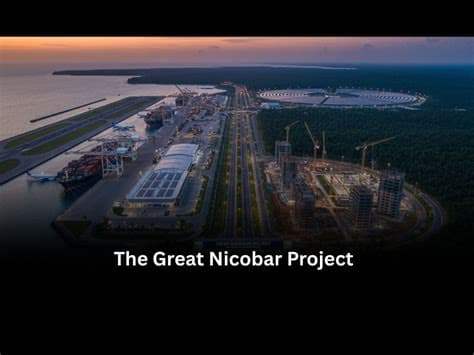
The National Green Tribunal (NGT) has officially cleared the way for the monumental Rs 90,000-crore infrastructure project on Great Nicobar Island. This decision marks a significant milestone, allowing for the construction of a strategic hub that includes critical infrastructure such as a container transshipment port, a dual-use civil-military airport, and housing development across 166 square kilometers.
The tribunal deliberated on various petitions that challenged the environmental clearances provided by the Central government, concluding that they were backed by adequate safeguards. It ruled that there were no substantial grounds to interfere with the project, asserting its "strategic importance" in bolstering India’s presence in the Indian Ocean region amid escalating geopolitical dynamics.
The project is expected to require the diversion of approximately 130 square kilometers of forest land and the removal of nearly one million trees, raising serious concerns about its environmental impacts. Great Nicobar Island is classified as a globally recognized biodiversity hotspot, harboring unique species like the Nicobar megapode and the leatherback turtle.
NGT stated that the project is crucial for enhancing India’s national security, particularly regarding the "string of pearls" strategy associated with China's presence in the region. The tribunal's ruling emphasized the necessity of ensuring full and strict compliance with environmental clearance conditions, a reference point for future initiatives planned in ecologically sensitive areas.
Opposition voices, including environmental advocates, have voiced concerns about the ecological consequences, fearing that the project may lead to irreversible damage to the island’s rich ecosystems. Critics highlight the potential conflicts between development goals and environmental preservation, questioning the adequacy of the proposed safeguards.
This decision by the NGT has sparked a heated debate about the balance between economic growth and environmental sustainability, positioning the Great Nicobar Project as a pivotal topic in ongoing discussions about India’s developmental strategies in ecologically sensitive regions.
Published by Banx Network. This article is part of the Banx decentralized media programme, powered by the BXE token on the XRP Ledger.