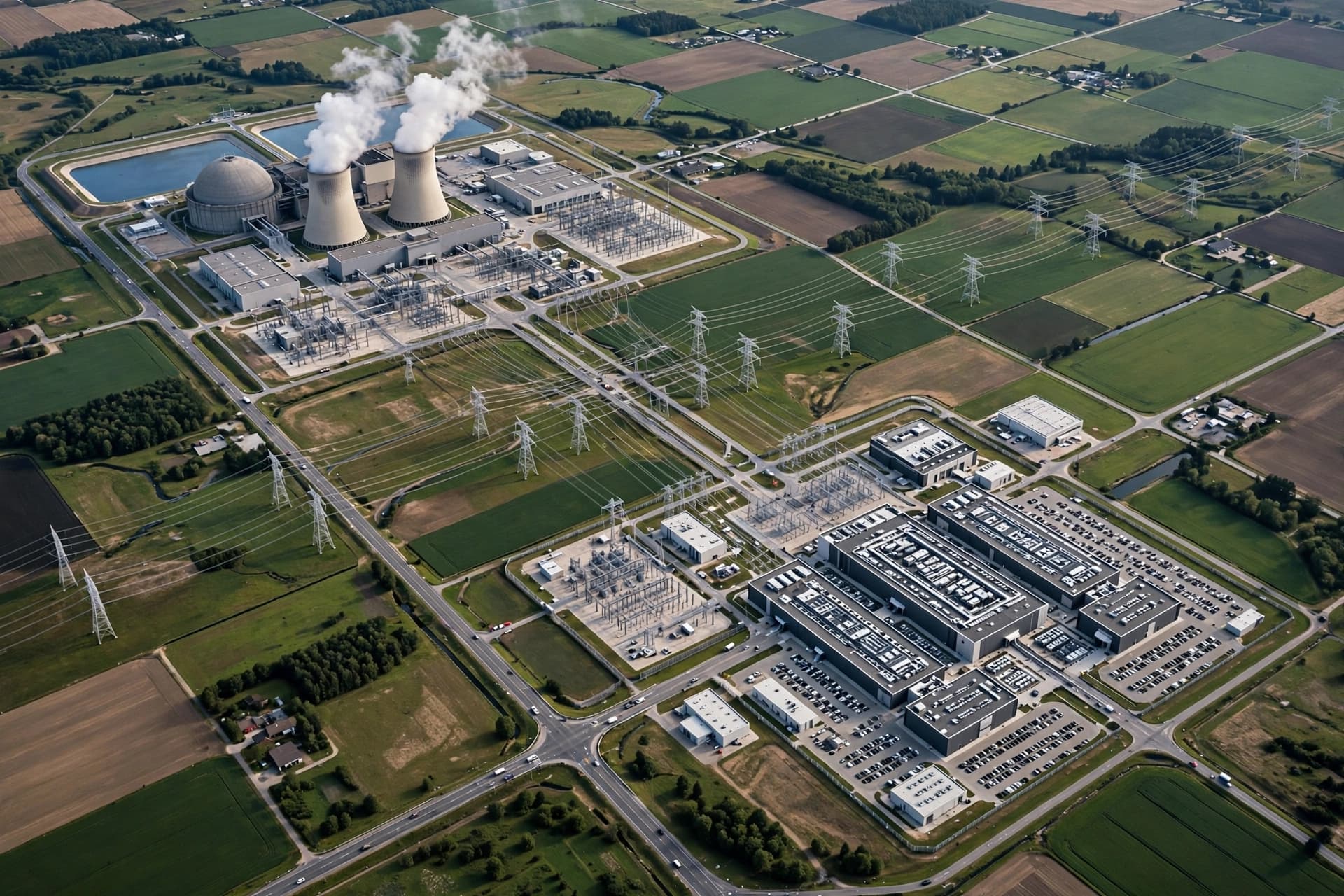
proposal attracting attention across technology and cryptocurrency communities suggests tougher restrictions on new data-center development in New York. According to reports circulating online, the state is considering measures that would temporarily limit the construction of certain facilities while reviewing their impact on energy consumption and infrastructure. Data centers have become critical to the modern digital economy, powering cloud computing, artificial intelligence, streaming services, and financial networks. However, their rapidly increasing electricity requirements have raised concerns among policymakers and utility providers. Large facilities can consume significant amounts of power, prompting debates about grid capacity, sustainability, and energy pricing. Supporters of stricter regulations argue that communities should not bear the burden of higher energy demand created by major technology operations. They contend that residential customers could face increased pressure if infrastructure upgrades fail to keep pace with expanding electricity usage. Critics, meanwhile, warn that restrictions could discourage investment and innovation. Technology companies continue to invest billions of dollars into artificial intelligence and cloud infrastructure, creating demand for additional computing capacity. Limiting new facilities could reduce economic opportunities and make it harder for regions to attract technology-related jobs. The issue has particular significance for cryptocurrency mining operations, which rely on large-scale computing resources and electricity consumption. Environmental concerns surrounding energy-intensive mining activities have already prompted regulatory discussions in several jurisdictions. As AI adoption accelerates globally, governments face the challenge of balancing economic growth with energy sustainability. Policymakers must consider how to support technological advancement while ensuring that power grids remain reliable and affordable for consumers. The debate reflects a broader trend emerging worldwide as governments and industry leaders confront the infrastructure demands of the digital era. Decisions made today could shape the future of technology investment and energy policy for years to come.
Published by Banx Network. This article is part of the Banx decentralized media programme, powered by the BXE token on the XRP Ledger.