At the heart of Formula 1’s ever‑evolving dance between man, machine and physics, fresh language is emerging — not just to describe new technology, but to help fans feel the change that is coming. For decades, race commentary buzzed with acronyms and jargon that often sailed over the heads of casual viewers. Now, as F1 ushers in one of its most profound rule changes in years, the sport is choosing words with meaning: Active Aero and Overtake Mode are two of the key terms fans will hear as 2026 approaches.
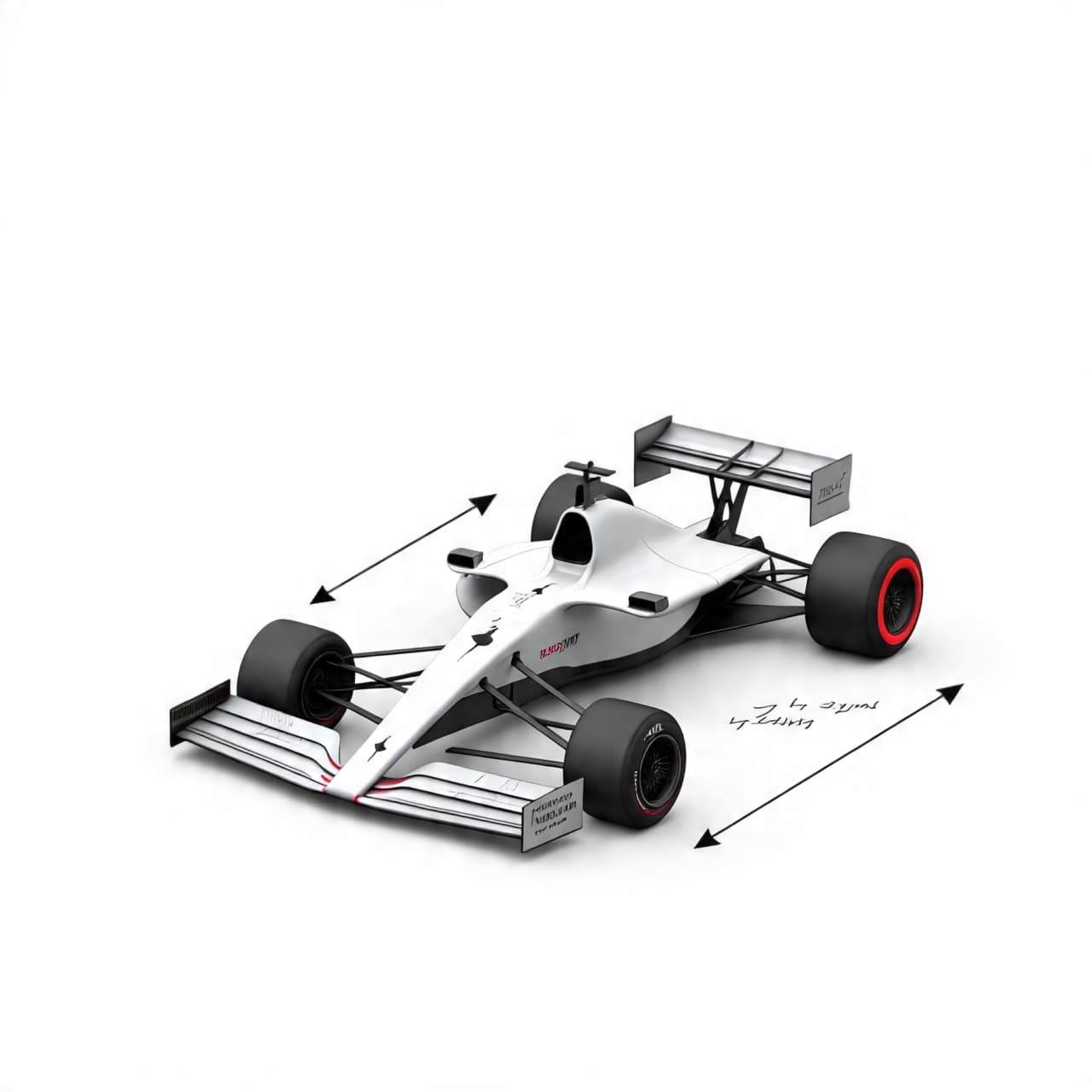
Look at an F1 car today and you see a masterpiece of aerodynamic sculpture, but under the surface lies a compromise — wings, bargeboards and diffuser surfaces all designed to balance downforce (for cornering grip) and drag (which slows you on straights). In 2026, a new era begins: Active Aero refers to front and rear wing elements that can physically adjust their angle depending on where the car is on track. In corners, they sit in a high‑downforce position to maximize grip; on straights, they flatten to reduce drag and let speed climb. It’s a shift away from static aero setups toward an adaptable machine that responds in real time to conditions on the circuit. Unlike the old Drag Reduction System (DRS), which only opened a flap on the rear wing under specific conditions, Active Aero is available to all drivers in designated sections. This innovation is intended to help cars follow more closely and race wheel‑to‑wheel with fewer artificial aids.
Paired with Active Aero is Overtake Mode, a system designed to replace the familiar DRS and bring a new strategic layer to passing. When a driver is within one second of the car ahead at a detection point, Overtake Mode lets them release additional electrical power — effectively a temporary surge — to help initiate or complete a pass. In essence, this is not simply about reducing drag; it’s about boosting usable power at the exact moment a driver needs it most. Although it draws inspiration from past overtaking aids, Overtake Mode hinges on energy deployment rather than wing geometry alone, and can be used in one burst or spread strategically across a lap.
These new terms reflect more than technical tweaks. They signal a shift in the sport’s relationship with its audience, as F1 and the FIA consulted fan groups to choose language that feels intuitive and meaningful. Where abbreviations like “x‑mode” or “MOM” once circulated in paddocks and forums, fans will now hear succinct phrases that describe exactly what these systems do on track.
Together, Active Aero and Overtake Mode promise to deepen the tactical chess match of racing: drivers will not simply react to cars around them, but manage energy, aerodynamic states and overtaking windows with a precision that blends engineering insight with raw wheel‑to‑wheel skill. The hope is that, as these terms become familiar, viewers will feel more connected to the battles unfolding at 200 mph — not just as spectators, but as participants in the unfolding story of racing’s next chapter.
AI Image Disclaimer Visuals are created with AI tools and are not real photographs; they are intended for conceptual representation.
Sources: Formula 1 official regulation updates, ESPN, Sky Sports, FIA summaries.
Published by Banx Network. This article is part of the Banx decentralized media programme, powered by the BXE token on the XRP Ledger.