
Key Highlights
- Airbus projects significant growth in emerging aviation markets driven by rising incomes and urbanization.
- Improved airport infrastructure and airline networks are making air travel more accessible.
- New-generation aircraft are designed to reduce emissions while meeting increasing demand.
[Emerging Markets Driving Aviation Growth]
The aviation industry is poised for transformative growth, particularly in emerging markets, according to Airbus. The company’s latest projections indicate that regions experiencing rising incomes, urbanization, and substantial infrastructure investments will play a pivotal role in shaping global aircraft demand over the coming decades. As these economies develop, air travel is becoming increasingly accessible to broader segments of the population, marking a shift from luxury to necessity.
In many developing regions, including parts of Asia, Africa, and Latin America, the demand for both domestic and international travel is on the rise. This surge is attributed to improved airport infrastructure, the expansion of airline networks, and increased economic opportunities. Airlines operating in these areas are responding proactively by investing in fleet expansion and network development to accommodate the growing passenger volumes.
Airbus anticipates that many carriers will purchase new aircraft to enhance operational efficiency and meet the rising demand. Modern aircraft are designed with advantages in fuel consumption, maintenance requirements, and passenger comfort, making them attractive options for airlines aiming for long-term competitiveness. The shift towards newer fleets is not just about passenger transport; it also reflects a broader trend in cargo demand, as integrated supply chains and expanding trade necessitate efficient air freight solutions.
[Investment in Infrastructure]
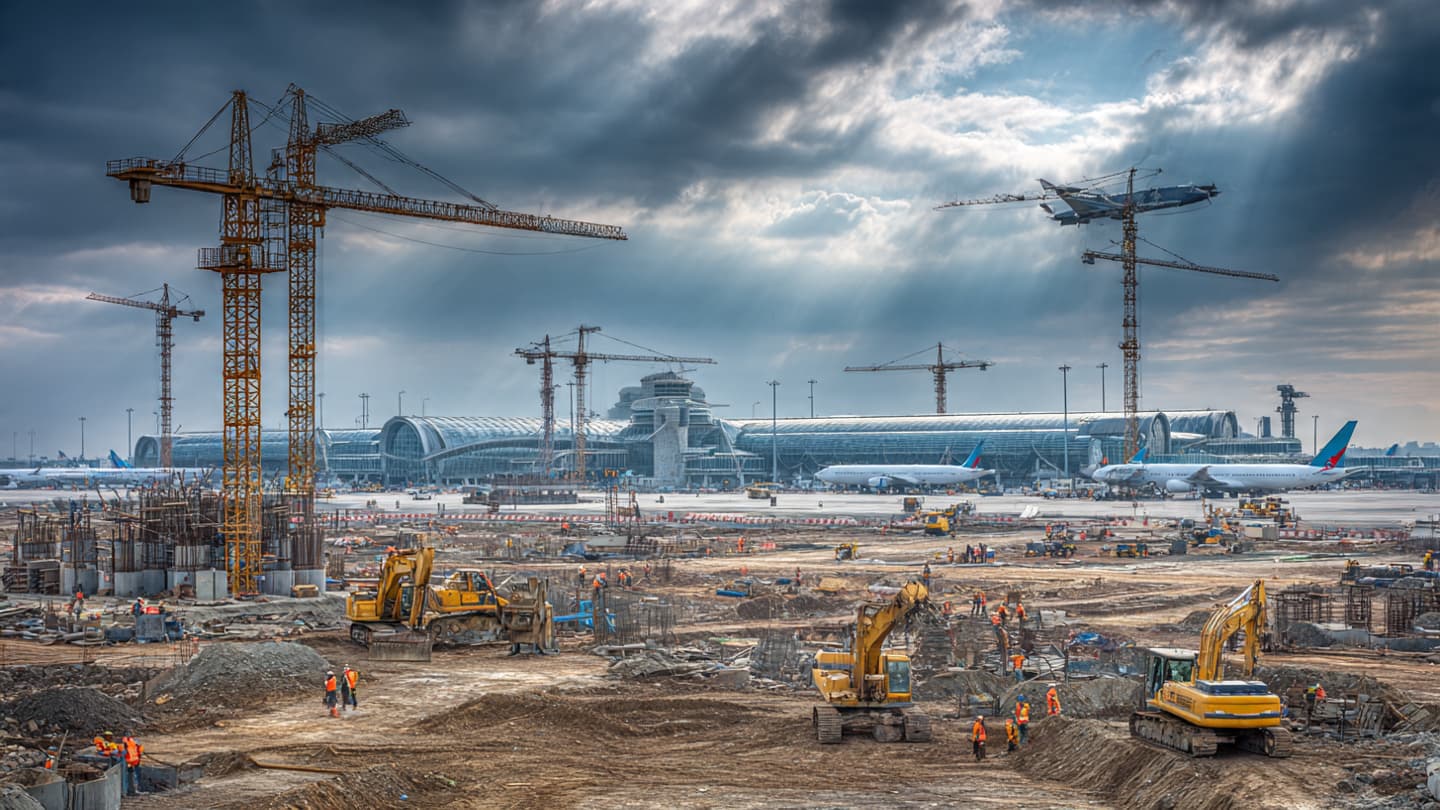
Emerging markets are witnessing aviation growth rates that often surpass those of more mature economies. While established markets continue to generate substantial demand, newer aviation hubs are becoming increasingly influential. Investments in airports, air traffic management systems, and supporting infrastructure are essential for creating the conditions necessary for sustained expansion. These developments are crucial for accommodating the anticipated increase in air travel and cargo transport.
Environmental considerations are also at the forefront of discussions within the industry. Airlines and manufacturers are actively exploring ways to support growth while enhancing sustainability. New-generation aircraft are engineered to reduce emissions and improve fuel efficiency, allowing carriers to meet rising demand with a lower environmental impact compared to older fleets. Airbus emphasizes that technological innovation will be vital in balancing growth with sustainability objectives.
[Long-Term Outlook]
Investors and analysts view Airbus's optimistic outlook as indicative of broader confidence in global mobility trends. While economic cycles may influence short-term performance, long-term demographic and economic factors continue to support expectations of increased travel demand. The ability of emerging markets to sustain this growth will remain a focal point for industry stakeholders.
As the aviation sector enters a new phase of development, Airbus sees opportunities extending far beyond traditional centers of air travel. The future of the industry may increasingly be shaped by regions where demand is just beginning to reach its full potential. For manufacturers, airlines, and travelers alike, these emerging markets represent some of the most significant opportunities on the horizon, promising to redefine the landscape of global aviation.
Published by Banx Network. This article is part of the Banx decentralized media programme, powered by the BXE token on the XRP Ledger.



