

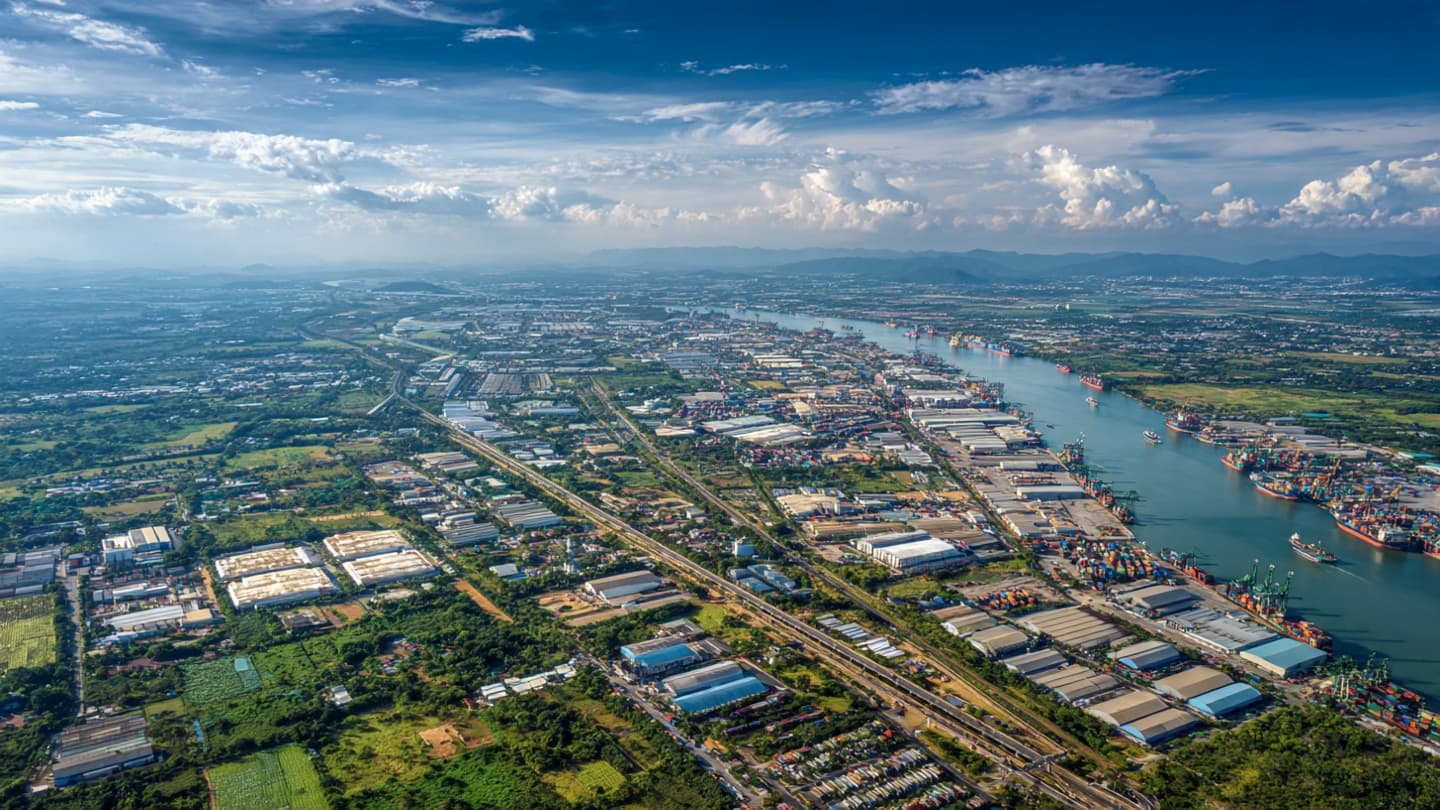
Key Highlights
- Project Value:Thailand's proposed economic corridor is valued at approximately $30 billion.
- Strategic Investment:The initiative aims to enhance transportation and commercial links between key coastal regions.
- Regional Trends:The project aligns with broader Southeast Asian investments in transportation networks and logistics facilities.
Thailand is embarking on a transformative journey with its proposed economic corridor project, valued at around $30 billion. This initiative is designed to enhance trade, logistics, and regional connectivity, reflecting the country's commitment to becoming a pivotal player in Southeast Asia's economic landscape. The project aims to create efficient transportation routes that connect international markets, thereby improving Thailand's competitiveness as a regional trade hub.
The Thai government views this corridor as a strategic investment that will not only bolster transportation links but also stimulate long-term economic growth. By improving logistics infrastructure, the initiative is expected to reduce transportation times significantly, making Thailand a more attractive destination for foreign investment. Supporters argue that enhanced connectivity will lead to increased industrial development and job creation across various sectors, reinforcing the belief that infrastructure spending is a key driver of economic activity.
This initiative is part of a broader trend in Southeast Asia, where governments are heavily investing in transportation networks, ports, rail systems, and logistics facilities. As global trade volumes continue to rise, these investments are crucial for accommodating evolving supply chains and meeting the demands of international markets. Economic analysts highlight that companies are increasingly seeking resilient and diversified supply chains, which presents opportunities for countries like Thailand that can offer efficient transportation and industrial infrastructure.
Environmental considerations are also being integrated into the planning of this large-scale project. Policymakers and stakeholders are actively discussing how to balance economic objectives with sustainability goals and community interests. This holistic approach is essential for ensuring that the corridor not only serves economic purposes but also respects environmental and social factors.
The successful realization of the economic corridor will depend on several factors, including financing arrangements, regulatory approvals, and implementation timelines. Large infrastructure projects typically require extensive coordination among government agencies, investors, and private-sector partners to ensure that all aspects are aligned for successful execution.
For Thailand, the renewed economic corridor proposal signifies more than just a transportation project; it embodies a strategic effort to position the country within the evolving regional and global trade networks. As the nation seeks to enhance its economic development, this initiative could play a crucial role in shaping its future.
Published by Banx Network. This article is part of the Banx decentralized media programme, powered by the BXE token on the XRP Ledger.




